
Latte
Categories
Categories
- Afghan Cuisine(1)
- American Cuisine(141)
- Australian Cuisine(6)
- Austrian Cuisine(2)
- Belgian Cuisine(1)
- Brazilian Cuisine(3)
- British Cuisine(35)
- Cakes in Sri Lanka(47)
- Canadian Cuisine(1)
- Chinese Cuisine(85)
- Cocktails in Sri Lanka(18)
- Cuban Cuisine(17)
- Dutch Cuisine(1)
- Egyptian Cuisine(3)
- Filipino Cuisine(3)
- French Cuisine(23)
- German Cuisine(9)
- Greek Cuisine(16)
- Hong Kong Cuisine(1)
- Indian Cuisine(79)
- Indonesian Cuisine(15)
- Innovative Sri Lankan Flavours(5)
- Iranian Cuisine(5)
- Irish Cuisine(2)
- Italian Cuisine(112)
- Japanese Cuisine(13)
- Kazakastani Cuisine(1)
- Korean Cuisine(0)
- Malaysian Cuisine(12)
- Mexican Cuisine(13)
- Modern Culinary Trends(40)
- Moroccan Cuisine(2)
- Omani Cuisine(1)
- Russian Cuisine(2)
- Saudi Arabian Cuisine(1)
- Senegalese Cuisine(1)
- Singapore Cuisine(1)
- Spanish Cuisine(7)
- Sri Lankan Authentic Beverages(37)
- Sri Lankan Authentic Curries(66)
- Sri Lankan Authentic Desserts(6)
- Sri Lankan Authentic Food(78)
- Sri Lankan Authentic Seafood(18)
- Sri Lankan Authentic Snacks(20)
- Sri Lankan Authentic Sweets(20)
- Swiss Cuisine(3)
- Taiwanese Cuisine(9)
- Thai Cuisine(21)
- Turkish Cuisine(11)
- Yemeni Cuisine(2)




Latte – The Creamy Coffee That Became a Café Classic
Smooth, creamy and often beautifully decorated with latte art, the latte has become one of the most recognisable drinks on a modern café menu.
For many coffee drinkers, it is an easy introduction to espresso-based coffee. The espresso brings depth and roasted flavour, while steamed milk creates a softer, naturally sweet character. The result is a drink that feels comforting without completely losing the personality of the coffee underneath.
But a latte is more than just “coffee with lots of milk.” The quality of the espresso, the texture of the milk and the way they are combined all influence the final cup.
What Is a Latte?
A latte, commonly called a caffè latte, is traditionally made with espresso and a generous amount of steamed milk, finished with a relatively thin layer of milk foam.
Compared with more concentrated coffee drinks, the larger amount of milk gives a latte a smoother and gentler character.
The exact recipe can vary between cafés. Some use a single espresso shot, while others build the drink around a double shot. Cup sizes also differ, meaning there isn’t one universal volume that defines every modern latte.
What remains consistent is the central relationship between espresso and steamed milk.
Why Does Latte Taste So Smooth?
Milk changes coffee in several interesting ways.
When milk is heated and textured correctly, its natural sweetness becomes more noticeable. It also softens some of the sharper flavours found in espresso, creating a rounder drinking experience.
This doesn’t mean the coffee disappears.
A well-made latte should still have a noticeable coffee foundation. The milk simply creates more space around those flavours, allowing the drink to feel creamy and approachable.
The type of coffee beans used also makes a difference. A chocolatey or nutty espresso may create a very different latte from one made using beans with brighter fruity or floral notes.
The Importance of Steamed Milk
Steaming milk is one of the most important parts of making a good latte.
A steam wand introduces heat and air into the milk, creating a smooth, glossy texture known as microfoam. For a latte, the goal is generally a fine, silky texture rather than a thick mountain of foam.
Temperature matters too. Milk that is overheated can lose some of its natural sweetness and develop an unpleasant cooked flavour.
When the milk is properly textured, it becomes smooth enough to blend naturally with the espresso.
This is why the skill of the barista can make such a noticeable difference between two lattes made with seemingly identical ingredients.
Latte Art – More Than Just a Pretty Picture
One of the reasons this cffee are so popular on social media is their beautiful appearance.
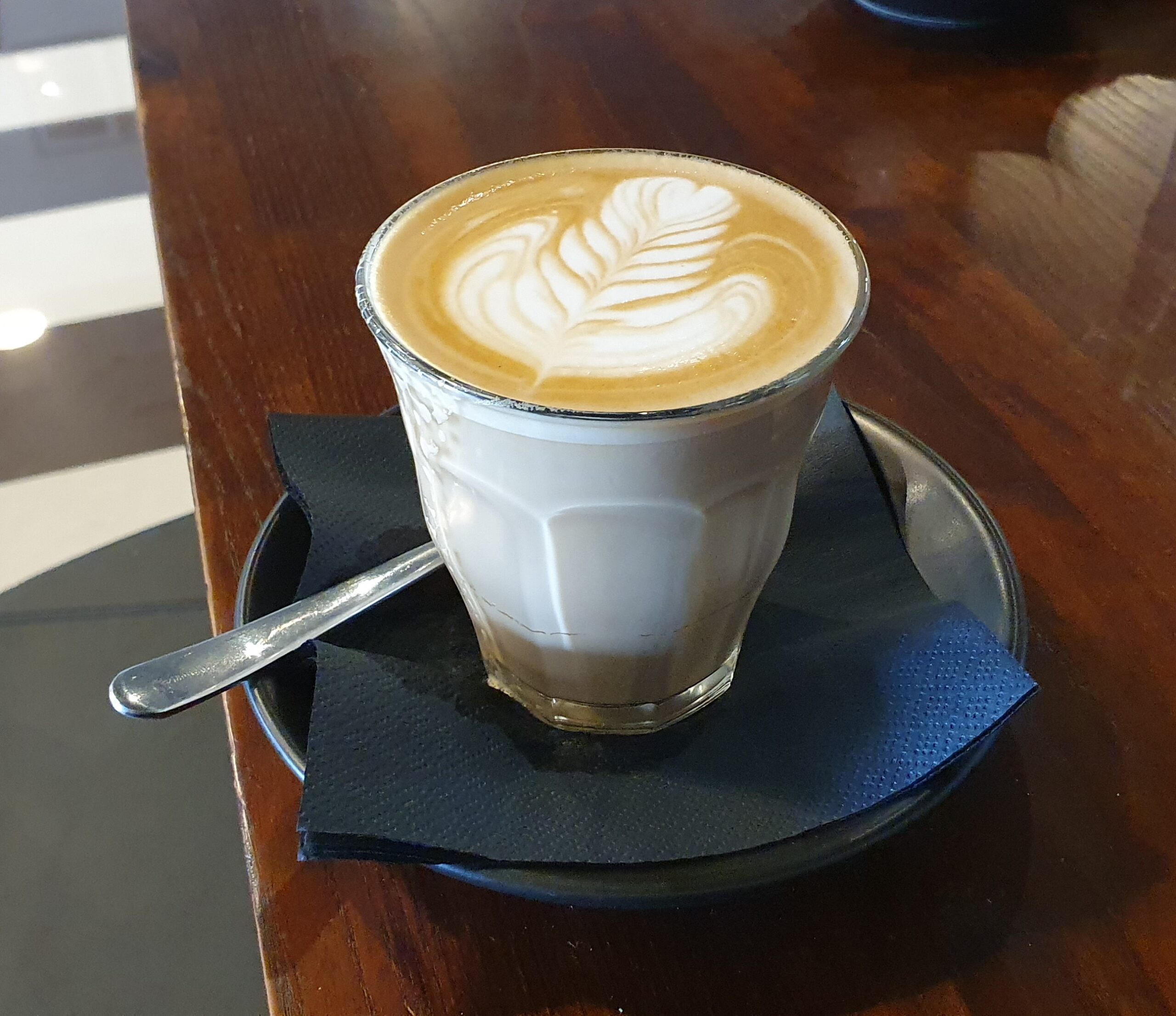
Hearts, tulips, rosettas and other patterns can be created by carefully pouring textured milk into the espresso.
Theese coffee arts are not what makes a latte a latte, but it can demonstrate the quality of the milk texture and the barista’s pouring control.
Creating a clean design requires the milk to have the right consistency. If the foam is too stiff, it may sit on top instead of blending smoothly with the coffee. If it is too thin, the pattern may disappear into the drink.
So that little heart on your morning coffee can represent quite a bit of technique.
Latte vs Cappuccino
Latte and cappuccino are often placed side by side on café menus, and it is easy to understand why.
Both use espresso and steamed milk. The main difference is the balance and texture.
A traditional cappuccino has a more prominent foam component and a relatively balanced relationship between espresso, steamed milk and foam.
This coffee generally contains more steamed milk and a thinner layer of foam, resulting in a creamier and more milk-forward drink.
Modern cafés sometimes blur these traditional distinctions by changing serving sizes and recipes, so the exact experience can vary.
If you prefer a softer, creamier coffee, this coffee may suit you. If you want a more pronounced foamy texture and stronger coffee presence, a cappuccino may be more appealing.
What Makes a Good Latte?
A good latte starts long before the milk is poured.
The espresso needs to be properly prepared, because it provides the foundation of the drink. If the coffee is unbalanced, adding more milk won’t necessarily fix it.
Then comes the milk.
Smooth microfoam should have a glossy appearance and a creamy texture. It should combine naturally with the espresso instead of sitting as separate layers.
Finally, the pouring technique matters.
The milk needs to be incorporated well while leaving enough textured foam at the surface. When all three elements come together, the drink should feel smooth from the first sip to the last.
Choosing Your Milk
Traditional lattes are commonly made with dairy milk, but cafés today often offer plant-based alternatives.
Oat, soy, almond and other options can change the flavour and texture of the drink.
Oat milk, for example, is often chosen for its creamy character, while other alternatives can introduce their own subtle flavours.
Different milks also behave differently when steamed, so baristas may need to adjust their technique.
If you’re trying this coffee with a non-dairy option for the first time, it can be interesting to compare how the same espresso tastes with different milk choices.
Flavoured Lattes
This classic coffee doesn’t need anything else, but modern café culture has created countless variations.
Vanilla, caramel, hazelnut, mocha and seasonal flavours are often added to lattes, turning them into sweeter dessert-like drinks.
These versions can be fun, but the traditional latte offers something different. An opportunity to appreciate the relationship between coffee and milk without additional flavours taking over.
For someone exploring coffee for the first time, starting with a classic latte can be a useful way to understand that balance.
Why This Coffee So Popular?
Part of the latte’s appeal is its versatility.
It can be a morning drink, an afternoon café treat, a companion while working, or a relaxed coffee shared with friends.
It also sits comfortably between strong black coffee and sweeter specialty drinks. You can enjoy the espresso character while still getting the creamy comfort of steamed milk.
Its visual appeal has helped too. A beautifully poured latte can turn an ordinary coffee break into a small moment worth photographing.
In Sri Lanka’s growing café culture, this combination of flavour, comfort and presentation makes this coffee an easy favourite for both regular coffee drinkers and people still discovering their preferences.
A Coffee Built Around Balance
This coffee may look effortless, but its simplicity depends on good technique.
A well-prepared espresso, carefully steamed milk and smooth microfoam come together to create something greater than the individual ingredients.
And perhaps that’s why this coffee has stayed so popular. It doesn’t demand that you be a serious coffee expert. You can simply enjoy its creamy texture, gentle sweetness and familiar coffee aroma.
Next time you order one, take a moment to notice the details — the texture of the milk, the aroma of the espresso and the way the two flavours meet.
Behind that simple cup is a carefully balanced piece of café craft.