

Seafood Pasta
Categories
Categories
- Afghan Cuisine(1)
- American Cuisine(141)
- Australian Cuisine(6)
- Austrian Cuisine(2)
- Belgian Cuisine(1)
- Brazilian Cuisine(3)
- British Cuisine(35)
- Cakes in Sri Lanka(47)
- Canadian Cuisine(1)
- Chinese Cuisine(85)
- Cocktails in Sri Lanka(18)
- Cuban Cuisine(17)
- Dutch Cuisine(1)
- Egyptian Cuisine(3)
- Filipino Cuisine(3)
- French Cuisine(23)
- German Cuisine(9)
- Greek Cuisine(16)
- Hong Kong Cuisine(1)
- Indian Cuisine(79)
- Indonesian Cuisine(15)
- Innovative Sri Lankan Flavours(5)
- Iranian Cuisine(5)
- Irish Cuisine(2)
- Italian Cuisine(112)
- Japanese Cuisine(13)
- Kazakastani Cuisine(1)
- Korean Cuisine(0)
- Malaysian Cuisine(12)
- Mexican Cuisine(13)
- Modern Culinary Trends(40)
- Moroccan Cuisine(2)
- Omani Cuisine(1)
- Russian Cuisine(2)
- Saudi Arabian Cuisine(1)
- Senegalese Cuisine(1)
- Singapore Cuisine(1)
- Spanish Cuisine(7)
- Sri Lankan Authentic Beverages(37)
- Sri Lankan Authentic Curries(66)
- Sri Lankan Authentic Desserts(6)
- Sri Lankan Authentic Food(78)
- Sri Lankan Authentic Seafood(18)
- Sri Lankan Authentic Snacks(20)
- Sri Lankan Authentic Sweets(20)
- Swiss Cuisine(3)
- Taiwanese Cuisine(9)
- Thai Cuisine(21)
- Turkish Cuisine(11)
- Yemeni Cuisine(2)
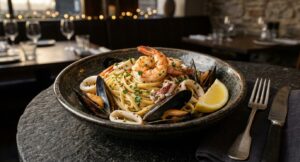
Seafood Pasta – Where Fresh Seafood Meets Comforting Italian Flavours
There is something naturally satisfying about a bowl of pasta filled with fresh seafood. Tender prawns, delicate fish, squid or mussels can bring a taste of the ocean to a dish that is already loved for its comforting combination of pasta and sauce.
Seafood Pasta can be simple or elaborate, creamy or tomato-based, mildly seasoned or packed with chilli and garlic. Its versatility is one of its greatest strengths. The same basic idea can take on completely different personalities depending on the seafood, sauce, herbs and cooking style used.
In Sri Lanka, where seafood is deeply connected to coastal food culture, seafood pasta also offers an interesting meeting point between international cooking and local ingredients.
What Makes Seafood Pasta Special?
The appeal starts with contrast.
Pasta provides a soft, satisfying base, while seafood brings delicate sweetness and a naturally savoury character. Garlic, herbs, chilli, tomatoes, olive oil, cream or other ingredients can then build a sauce around those flavours.
The seafood should remain noticeable rather than becoming lost beneath a heavy sauce.
When prepared well, every bite can offer a combination of pasta, sauce and seafood without any one element completely dominating the dish.
Choosing the Seafood
There are countless combinations to explore.
Prawns are particularly popular because they cook quickly and develop a naturally sweet, slightly firm texture. Squid can add a delicate chewiness when cooked correctly, while mussels and clams contribute their own oceanic flavour.
Fish can also work beautifully in pasta, especially firmer varieties that hold together during cooking.
Some dishes use one type of seafood, while others combine several varieties into a generous seafood mix.
Freshness matters greatly. Seafood should smell clean and fresh rather than strongly fishy, and its texture should be appropriate for the variety being used.
Why Cooking Time Matters
Seafood can be surprisingly easy to overcook.
Prawns that stay in the pan too long can become tough and rubbery. Squid has a similar problem — it benefits from either very quick cooking or a longer, slower preparation, depending on the recipe.
For seafood pasta, timing becomes especially important because the seafood and pasta often need to come together at the right moment.
Cooking the seafood carefully allows it to remain tender while still absorbing some of the flavours from the sauce.
This is why seafood is often added at different stages rather than cooking everything at once. The goal is to bring each ingredient to the right level of doneness without losing its natural texture or flavour.
The Pasta Matters Too
The seafood may be the star, but the pasta provides the foundation.
Long pasta varieties such as spaghetti and linguine work particularly well with lighter seafood sauces because they allow the sauce to coat each strand.
Short pasta can be useful for thicker or chunkier preparations, especially when seafood, vegetables and sauce need to collect inside the pasta shapes.
Whatever the variety, properly cooked pasta should retain a slight firmness rather than becoming overly soft.
This texture gives the finished dish more structure and prevents it from feeling heavy.
Tomato-Based Seafood Pasta
Tomato-based sauces bring brightness and acidity to seafood pasta.
Fresh tomatoes, crushed tomatoes or a simple tomato sauce can create a lively base that works particularly well with prawns, mussels and squid.
Garlic, chilli and herbs can add additional depth without making the sauce overly complicated.
The acidity of tomato also provides useful contrast to the natural richness of seafood and olive oil.
For diners who prefer a lighter and more vibrant pasta, a tomato-based seafood sauce can be an appealing choice.
A touch of lemon can brighten the sauce further, especially when paired with delicate seafood. The result is a dish that feels fresh and flavourful without becoming too heavy.
Creamy Seafood Pasta
Cream-based versions take the dish in a richer direction.
Cream creates a smooth sauce that coats the pasta generously, while garlic, black pepper, herbs and cheese can add additional flavour.
Prawns are particularly common in creamy seafood pasta, but other seafood can be included depending on the preparation.
Because creamy sauces are naturally rich, balance becomes important. A touch of lemon, fresh herbs or mild chilli can provide freshness and prevent the dish from becoming too heavy.
Garlic and Olive Oil Styles
Not every seafood pasta needs a thick sauce.
A simpler preparation using olive oil, garlic, chilli and herbs can allow the seafood to take centre stage.
This style is especially useful when the seafood itself is fresh and flavourful. Instead of covering it with a rich sauce, the ingredients work together to create something lighter and more aromatic.
Garlic can be gently cooked in olive oil before the seafood is added, allowing the oil to become infused with flavour.
A little pasta water can then help bring the ingredients together into a light, glossy coating.
A Sri Lankan Influence
Sri Lanka’s relationship with seafood creates plenty of opportunities for local inspiration.
Fresh prawns, squid, crab and fish are readily associated with coastal cooking, while ingredients such as chilli, curry leaves, black pepper, lime and aromatic spices can bring a distinctly local character to a pasta dish.
A seafood pasta does not necessarily have to follow a traditional Italian recipe exactly. A chef can take the structure of pasta and combine it with flavours familiar to Sri Lankan diners.
The result can be an interesting fusion that respects both the pasta and the ingredients available locally.
Why Garlic, Chilli and Lemon Work So Well
Seafood naturally pairs well with bright and aromatic flavours.
Garlic adds warmth and savouriness, while chilli provides heat that can lift the overall dish. Lemon contributes acidity and freshness, helping balance richer ingredients such as olive oil, butter or cream.
These flavours can be used subtly. The goal is not always to make the pasta intensely spicy or sour, but to create enough contrast to keep the dish interesting from the first bite to the last.
Fresh herbs such as parsley can also add colour and a clean finish.
What Makes a Good Seafood Pasta?
A good seafood pasta is ultimately about balance.
The pasta should be cooked properly, the seafood should remain tender, and the sauce should complement rather than hide the main ingredients.
Too much sauce can overwhelm delicate seafood. Too little can leave the pasta dry and disconnected.
Timing also matters. Ideally, the pasta and seafood should come together while both are at their best, allowing the sauce to coat the pasta and the seafood to remain juicy.
Presentation can make a difference too. A few whole prawns, fresh herbs, chilli or a light drizzle of olive oil can make a simple plate look immediately inviting.
Pairing Seafood Pasta with the Right Sides
Because pasta is already filling, lighter sides often work well.
A simple green salad can add freshness, while grilled vegetables can bring a smoky contrast. Garlic bread is another popular choice, particularly with saucier versions, as it can be used to enjoy every last bit of the sauce.
For richer creamy pasta, a crisp salad with a light dressing can help balance the meal.
The right side ultimately depends on the style of pasta. A spicy tomato seafood pasta may pair differently from a creamy prawn linguine.
Seafood Pasta in the Café and Restaurant Scene
Seafood pasta has become a familiar feature on restaurant and café menus because it can appeal to both seafood lovers and pasta enthusiasts.
It can be presented as a casual bowl for a relaxed lunch or as a carefully plated dinner with premium seafood and a refined sauce.
For Sri Lankan diners and travellers exploring the island’s food scene, it can also be an interesting way to experience familiar local seafood through a different culinary style.
The combination of international pasta traditions and fresh Sri Lankan seafood creates plenty of room for creativity.
Different restaurants may bring their own character to the dish through local spices, fresh herbs or seasonal seafood. This makes seafood pasta a versatile choice that can feel both familiar and new at the same time. It is also a dish that can easily reflect the character of the place where it is served.
A Bowl Full of Possibilities
Seafood Pasta is more than simply pasta with seafood added to it.
Its success depends on how the ingredients interact — the firmness of the pasta, tenderness of the seafood, character of the sauce and freshness of the herbs and seasonings.
Whether you prefer a bright tomato sauce, silky cream, garlic and olive oil or a chilli-forward Sri Lankan-inspired preparation, there is plenty of room to make the dish your own.
And perhaps that is what makes seafood pasta so enjoyable: one familiar bowl can tell completely different flavour stories depending on what comes from the sea and what goes into the sauce.


