

Fish Pasta
Categories
Categories
- Afghan Cuisine(1)
- American Cuisine(141)
- Australian Cuisine(6)
- Austrian Cuisine(2)
- Belgian Cuisine(1)
- Brazilian Cuisine(3)
- British Cuisine(35)
- Cakes in Sri Lanka(47)
- Canadian Cuisine(1)
- Chinese Cuisine(85)
- Cocktails in Sri Lanka(18)
- Cuban Cuisine(17)
- Dutch Cuisine(1)
- Egyptian Cuisine(3)
- Filipino Cuisine(3)
- French Cuisine(23)
- German Cuisine(9)
- Greek Cuisine(16)
- Hong Kong Cuisine(1)
- Indian Cuisine(79)
- Indonesian Cuisine(15)
- Innovative Sri Lankan Flavours(5)
- Iranian Cuisine(5)
- Irish Cuisine(2)
- Italian Cuisine(112)
- Japanese Cuisine(13)
- Kazakastani Cuisine(1)
- Korean Cuisine(0)
- Malaysian Cuisine(12)
- Mexican Cuisine(13)
- Modern Culinary Trends(40)
- Moroccan Cuisine(2)
- Omani Cuisine(1)
- Russian Cuisine(2)
- Saudi Arabian Cuisine(1)
- Senegalese Cuisine(1)
- Singapore Cuisine(1)
- Spanish Cuisine(7)
- Sri Lankan Authentic Beverages(37)
- Sri Lankan Authentic Curries(66)
- Sri Lankan Authentic Desserts(6)
- Sri Lankan Authentic Food(78)
- Sri Lankan Authentic Seafood(18)
- Sri Lankan Authentic Snacks(20)
- Sri Lankan Authentic Sweets(20)
- Swiss Cuisine(3)
- Taiwanese Cuisine(9)
- Thai Cuisine(21)
- Turkish Cuisine(11)
- Yemeni Cuisine(2)
Fish Pasta- Where Seafood Meets Comfort on the Plate
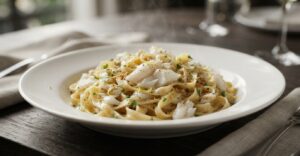
Fish and pasta may not be the first combination that comes to mind when thinking about classic comfort food, but put the two together and something rather special happens.
Fish brings a delicate, naturally savoury character to pasta, while the pasta provides a comforting base that can carry sauces, herbs, vegetables, and other flavours. The result can be light and fresh or rich enough to feel like a complete indulgence.
What makes fish pasta particularly interesting is how much the choice of fish can change the dish. A firm, meaty fish creates a very different experience from a delicate fillet that flakes easily into the sauce.
The Fish Sets the Tone
The type of fish used is one of the first things that shapes the final dish.
Firm-fleshed varieties can hold their shape well during cooking, making them suitable for dishes where larger pieces of fish are meant to remain visible. More delicate fish can break into smaller flakes and become naturally incorporated into the pasta.
Freshness matters too. Fish has a subtle flavour that can easily be overwhelmed if it is handled carelessly or paired with ingredients that are too strong.
When prepared properly, the fish should remain noticeable without competing with every other element on the plate.
Keeping Seafood Flavours Balanced
Fish has a naturally delicate character, so balance becomes especially important.
A simple combination of herbs, garlic, olive oil, lemon, or mild seasoning can bring out the flavour without covering it completely. Richer preparations can use cream, cheese, or a more substantial sauce, but these need to be handled carefully.
The goal is not necessarily to add as many flavours as possible.
Sometimes the best fish pasta is the one where you can clearly identify the seafood while still enjoying the pasta and sauce working alongside it.
Different Pasta Shapes, Different Experiences
The shape of the pasta can influence how the dish feels too.
Long strands can carry lighter sauces and allow flakes of fish to sit naturally among the pasta. Shorter shapes can hold thicker sauces and create a more substantial bite.
There is also a visual difference. A beautifully plated long pasta dish can feel elegant and refined, while a bowl of short pasta with generous pieces of fish can feel more relaxed and comforting.
Neither approach is better. It depends on the style of dish the chef wants to create.
A Little Acidity Can Go a Long Way
One of the most interesting ways to bring seafood pasta together is through acidity.
A small amount of lemon or another bright acidic element can lift the dish and prevent richer ingredients from making it feel too heavy.
This is particularly useful when the pasta includes creamy elements. The acidity creates contrast, helping the flavours feel cleaner from one bite to the next.
It does not have to dominate the dish. Often, a subtle finishing touch is enough.
Fish Pasta Beyond One Style
There is no single recipe that defines fish pasta.
It can appear as a light olive-oil-based preparation with herbs and vegetables, a tomato-based seafood dish, or a richer creamy creation. Some versions keep the fish in larger portions, while others flake it through the pasta.
Spices can also take the dish in a completely different direction.
A mild preparation may highlight the natural flavour of the fish, while chilli, pepper, herbs, or aromatic ingredients can create something bolder.
This flexibility is part of what makes fish pasta appealing to both chefs and diners.
Fish Pasta in Sri Lanka
Sri Lanka’s relationship with seafood makes fish pasta a natural addition to the country’s modern restaurant scene.
With access to a wide variety of fresh fish and a strong culinary appreciation for seafood, local restaurants and hotels can create pasta dishes that feel international while still reflecting the island’s ingredients.
Depending on the establishment, fish pasta may appear on a Western-style menu, a hotel dining menu, or as part of a more creative seafood offering.
For visitors, it can be an interesting way to experience familiar pasta through ingredients that are closely connected to Sri Lanka’s coastal food culture.
What Makes a Good Fish Pasta?
A successful fish pasta does not need an overwhelming amount of seafood.
The fish should be cooked carefully enough to retain its moisture and natural character. The pasta should still have a pleasant bite, while the sauce or dressing should connect the two without hiding either one.
Temperature also matters. Seafood pasta is generally most enjoyable when served freshly prepared, allowing the fish, pasta, and sauce to come together while everything is still warm.
A few finishing touches — fresh herbs, a little citrus, or a drizzle of quality oil — can complete the plate without making it unnecessarily complicated.
A Seafood Dish Worth Exploring
Fish pasta sits comfortably between comfort food and refined dining.
It can be simple enough for a relaxed meal but elegant enough to appear on a carefully designed restaurant menu. More importantly, it gives chefs plenty of room to work with different fish, sauces, seasonings, and pasta styles.
For anyone who enjoys both seafood and pasta, it is a combination worth exploring rather than overlooking.
🐟 Looking for delicious seafood dishes and unique food experiences across Sri Lanka? Explore Lankaura and discover your next place to eat….!🍝

