
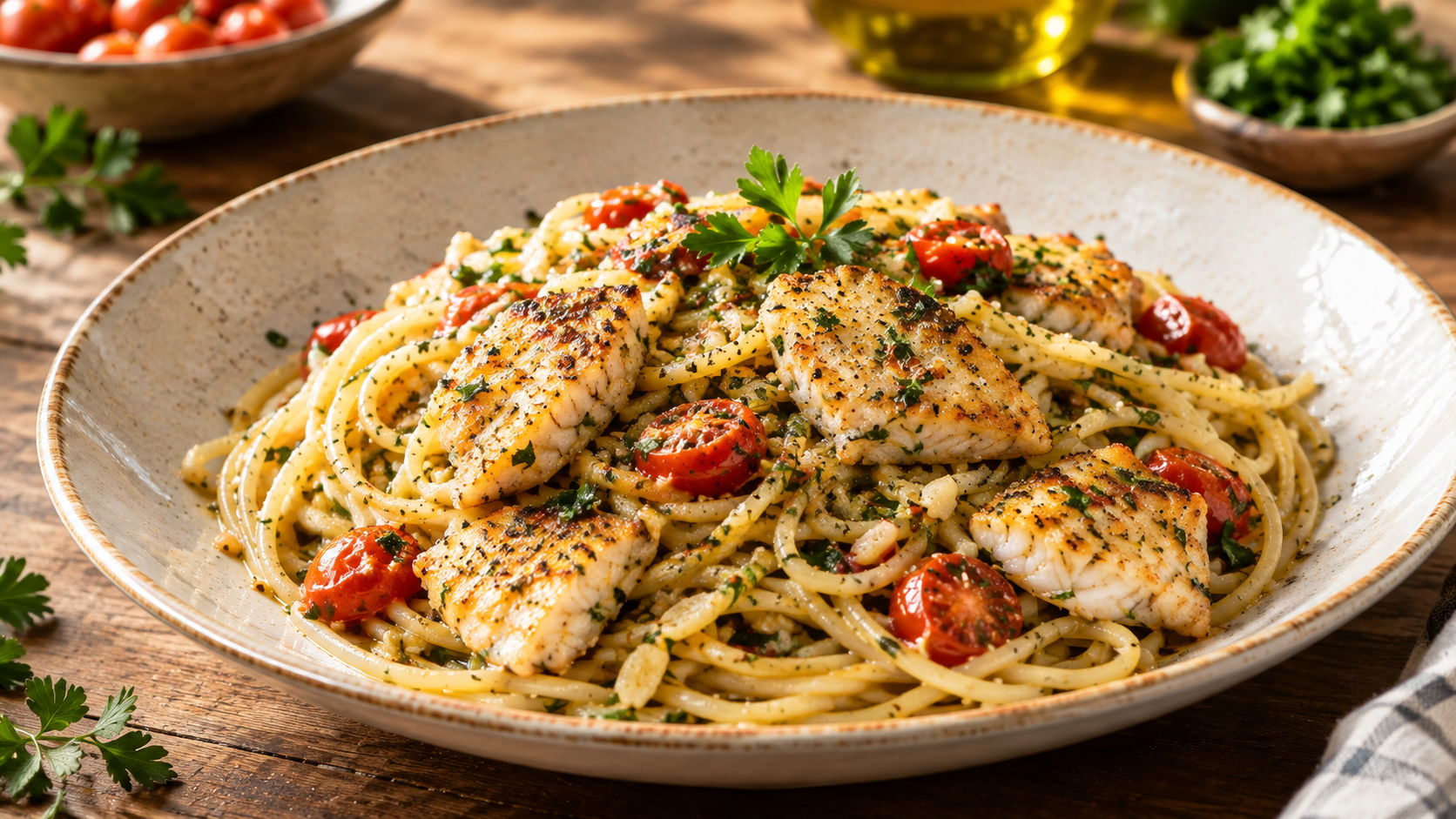
Fish Spaghetti
Categories
Categories
- Afghan Cuisine(1)
- American Cuisine(141)
- Australian Cuisine(6)
- Austrian Cuisine(2)
- Belgian Cuisine(1)
- Brazilian Cuisine(3)
- British Cuisine(35)
- Cakes in Sri Lanka(47)
- Canadian Cuisine(1)
- Chinese Cuisine(85)
- Cocktails in Sri Lanka(18)
- Cuban Cuisine(17)
- Dutch Cuisine(1)
- Egyptian Cuisine(3)
- Filipino Cuisine(3)
- French Cuisine(23)
- German Cuisine(9)
- Greek Cuisine(16)
- Hong Kong Cuisine(1)
- Indian Cuisine(79)
- Indonesian Cuisine(15)
- Innovative Sri Lankan Flavours(5)
- Iranian Cuisine(5)
- Irish Cuisine(2)
- Italian Cuisine(112)
- Japanese Cuisine(13)
- Kazakastani Cuisine(1)
- Korean Cuisine(0)
- Malaysian Cuisine(12)
- Mexican Cuisine(13)
- Modern Culinary Trends(40)
- Moroccan Cuisine(2)
- Omani Cuisine(1)
- Russian Cuisine(2)
- Saudi Arabian Cuisine(1)
- Senegalese Cuisine(1)
- Singapore Cuisine(1)
- Spanish Cuisine(7)
- Sri Lankan Authentic Beverages(37)
- Sri Lankan Authentic Curries(66)
- Sri Lankan Authentic Desserts(6)
- Sri Lankan Authentic Food(78)
- Sri Lankan Authentic Seafood(18)
- Sri Lankan Authentic Snacks(20)
- Sri Lankan Authentic Sweets(20)
- Swiss Cuisine(3)
- Taiwanese Cuisine(9)
- Thai Cuisine(21)
- Turkish Cuisine(11)
- Yemeni Cuisine(2)
Fish Spaghetti – A Simple Seafood Dish with Plenty of Character
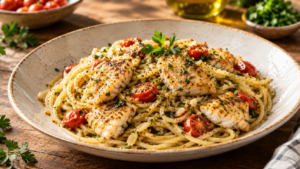
There are some pasta dishes that feel naturally comforting, and fish spaghetti is one of them. It brings together simple spaghetti with tender pieces of fish, aromatic ingredients, herbs, and a light, flavourful sauce. Unlike heavier pasta dishes, fish spaghetti can be prepared in a way that lets the seafood remain the main attraction.
For Sri Lankan food lovers, fish spaghetti can also be an interesting way to combine familiar seafood with a popular Italian-style pasta. Fresh fish is widely used in Sri Lankan cooking, so adding it to spaghetti creates a dish that feels both familiar and different.
What Is Fish Spaghetti?
Fish spaghetti is a pasta dish made with cooked spaghetti and fish, usually combined with ingredients such as garlic, onion, tomatoes, herbs, olive oil, butter, or a light sauce. The type of fish can vary depending on availability and personal preference.
White-fleshed fish is often suitable because it has a relatively mild flavour and can complement pasta without overpowering it. Firm fish can also work well because it is less likely to fall apart during cooking.
The dish does not necessarily need a rich or creamy sauce. A simple combination of olive oil, garlic, herbs, tomatoes, and seasoning can create a lighter version where the fish and pasta remain the focus.
Choosing the Right Fish
The fish is one of the most important parts of this dish. Freshness matters because seafood has a naturally delicate flavour, and fresh fish can make a noticeable difference to the finished meal.
Firm or moderately firm fish can be practical for spaghetti because it can be cooked separately and then gently combined with the pasta. The fish should be cooked thoroughly while avoiding excessive cooking, which can make it dry.
For a Sri Lankan version, locally available fresh fish can be used instead of relying on one specific variety. This makes the dish more flexible and easier to prepare with ingredients available at home or through local markets.
Preparing the Spaghetti
The spaghetti should be cooked in plenty of boiling water until it reaches the desired texture. Many pasta dishes work particularly well when the spaghetti is cooked al dente, meaning it remains slightly firm when bitten.
One useful step is to reserve a little of the pasta cooking water before draining the spaghetti. The starchy water can later help loosen the sauce and bring the ingredients together.
After draining, the spaghetti can be combined with the prepared fish and sauce rather than being left to sit for too long. This helps the pasta absorb some of the flavours.
Building the Flavour
Garlic is a natural partner for both fish and pasta. Gently cooking chopped or sliced garlic in olive oil or butter can create a fragrant base for the dish. Onion can also be added for sweetness and depth.
For a tomato-based version, fresh tomatoes or a suitable tomato sauce can provide acidity and balance. Herbs such as parsley or basil can add freshness, while black pepper and a little chilli can provide additional flavour.
The key is balance. Fish has a delicate character, so using too many strong ingredients can hide its natural flavour.
Combining the Fish and Pasta
Once the fish and sauce are ready, the cooked spaghetti can be added and tossed gently. If the pasta appears dry, a small amount of reserved pasta water can help create a smoother consistency.
The fish can either be mixed into the spaghetti in larger pieces or broken into smaller pieces, depending on the style of dish. Gently tossing everything together helps distribute the sauce without breaking the fish apart unnecessarily.
A finishing touch of fresh herbs, black pepper, or a small drizzle of olive oil can bring the dish together.
A Dish That Can Be Adapted
One of the best things about fish spaghetti is its flexibility. A simple olive-oil version can make a lighter meal, while tomatoes can create a more vibrant and slightly tangy dish. For people who enjoy creamy pasta, a small amount of cream or another suitable creamy sauce can create a richer variation.
Chilli can also be used for those who enjoy some heat. This can be particularly appealing to Sri Lankan palates, where spicy flavours are often part of everyday meals.
Vegetables such as bell peppers, spinach, cherry tomatoes, or mushrooms can also be incorporated, depending on the desired style.
Fish Spaghetti in Sri Lanka
Sri Lanka’s relationship with seafood makes fish pasta an interesting addition to the country’s growing food culture. From traditional rice and curry to contemporary café dishes, fish appears in many different forms across the island.
A plate of fish spaghetti can therefore sit comfortably between familiar local ingredients and international food influences. It is also the kind of dish that can be served at home, enjoyed at a casual café, or included on a restaurant menu.
For visitors exploring Sri Lanka, dishes that combine local ingredients with international cooking styles can offer another way to experience the island’s evolving food scene.
What Makes a Good Fish Spaghetti?
A successful fish spaghetti does not need dozens of ingredients. The most important elements are properly cooked pasta, fresh fish, balanced seasoning, and a sauce that brings everything together.
The fish should remain tender, the spaghetti should have a pleasant texture, and the flavours should complement rather than compete with one another.
Whether prepared with tomatoes and herbs, garlic and olive oil, or a creamy sauce, fish spaghetti can be a simple yet satisfying seafood pasta dish.
So, the next time you’re looking for something different from a traditional seafood meal, why not give fish spaghetti a place on the table? With fresh fish, good-quality spaghetti, and a few well-balanced ingredients, an everyday pasta dish can become a comforting seafood experience.
🍝 Looking for delicious spaghetti dishes and unique food experiences across Sri Lanka? Explore Lankaura and discover your next place to eat….!
