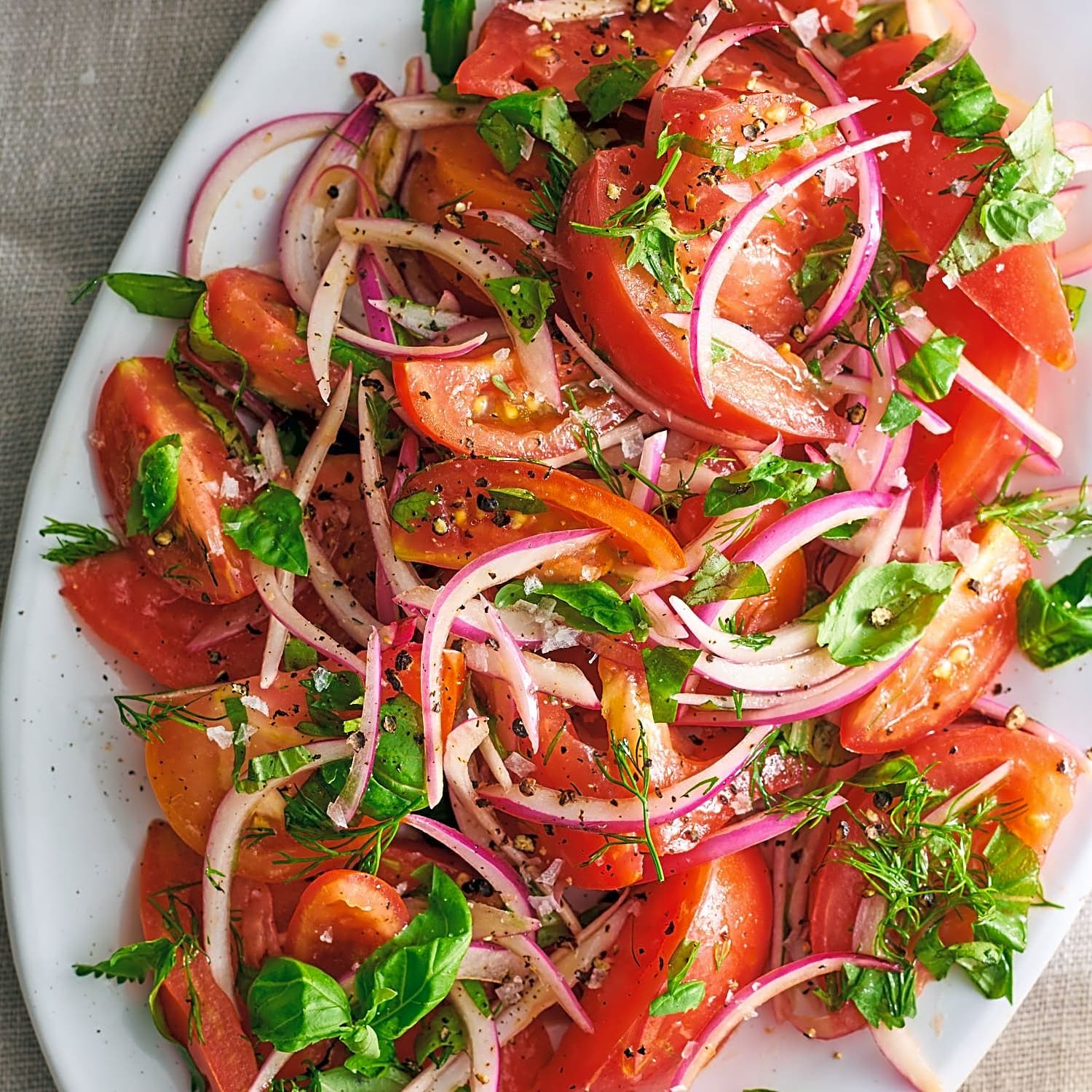
Tomato Salad
Categories
- Afghan Cuisine(1)
- American Cuisine(141)
- Australian Cuisine(6)
- Austrian Cuisine(2)
- Belgian Cuisine(1)
- Brazilian Cuisine(3)
- British Cuisine(35)
- Cakes in Sri Lanka(47)
- Canadian Cuisine(1)
- Chinese Cuisine(85)
- Cocktails in Sri Lanka(18)
- Cuban Cuisine(17)
- Dutch Cuisine(1)
- Egyptian Cuisine(3)
- Filipino Cuisine(3)
- French Cuisine(23)
- German Cuisine(9)
- Greek Cuisine(16)
- Hong Kong Cuisine(1)
- Indian Cuisine(79)
- Indonesian Cuisine(15)
- Innovative Sri Lankan Flavours(5)
- Iranian Cuisine(5)
- Irish Cuisine(2)
- Italian Cuisine(112)
- Japanese Cuisine(13)
- Kazakastani Cuisine(1)
- Korean Cuisine(0)
- Malaysian Cuisine(12)
- Mexican Cuisine(13)
- Modern Culinary Trends(40)
- Moroccan Cuisine(2)
- Omani Cuisine(1)
- Russian Cuisine(2)
- Saudi Arabian Cuisine(1)
- Senegalese Cuisine(1)
- Singapore Cuisine(1)
- Spanish Cuisine(7)
- Sri Lankan Authentic Beverages(37)
- Sri Lankan Authentic Curries(66)
- Sri Lankan Authentic Desserts(6)
- Sri Lankan Authentic Food(78)
- Sri Lankan Authentic Seafood(18)
- Sri Lankan Authentic Snacks(20)
- Sri Lankan Authentic Sweets(20)
- Swiss Cuisine(3)
- Taiwanese Cuisine(9)
- Thai Cuisine(21)
- Turkish Cuisine(11)
- Yemeni Cuisine(2)
Tomato Salad – Fresh, Simple and Naturally Full of Flavour
Tomato Salad is a perfect example of how a few fresh ingredients can create a dish that feels bright, refreshing and satisfying. Unlike salads that rely on a long list of toppings, this one lets tomatoes remain the main attraction.
The quality of the tomatoes, their ripeness, texture and the way they are seasoned can make a noticeable difference. A well-prepared Tomato Salad does not need to be complicated to be memorable.
The Tomato Comes First
Because tomatoes are the main ingredient, their quality matters more than it might in a heavily dressed salad.
Ripe tomatoes can bring natural sweetness, gentle acidity and plenty of moisture. Different varieties can also create different experiences, from juicy slices to firmer cherry tomatoes that hold their shape.
The best choice often depends on the style of salad and how it will be served.
Texture Makes a Difference
Tomatoes can be sliced, quartered, halved or cut into smaller pieces.
Larger slices create a more substantial bite, while smaller pieces allow dressing and herbs to distribute more evenly. Cherry tomatoes can provide a firmer texture and a pleasant burst of juice.
The important thing is to avoid cutting the tomatoes too far in advance if the goal is to preserve their fresh texture.
Keeping the Dressing Simple
Tomatoes already contain plenty of flavour, so the dressing does not need to be overwhelming.
Olive oil and a little acidity can bring out the natural taste of the tomatoes. Salt can also make a noticeable difference by enhancing their flavour.
Depending on the style, ingredients such as vinegar, lemon juice or a light herb dressing may be used.
The dressing should support the tomatoes rather than completely cover their character.
Herbs Add Freshness
Fresh herbs can give Tomato Salad another layer of aroma and colour.
Basil is a familiar pairing, particularly in Italian-inspired preparations, while parsley, coriander or mint can create a different direction.
The choice of herb can change the personality of the salad without requiring additional heavy ingredients.
Adding Contrast
Although tomatoes can easily stand on their own, small additions can introduce useful contrasts.
Onion can provide a sharper bite, while cucumber can add crispness and extra freshness. Olives can bring a salty element, while cheese can introduce richness.
The key is balance. If too many strong ingredients are added, the tomatoes can stop being the main focus.
The Importance of Acidity
Acidity plays an important role in making a fresh salad feel lively.
A small amount of lemon juice or vinegar can brighten the tomatoes and balance their natural sweetness. It can also help prevent the dressing from feeling too oily.
This does not mean the salad needs to taste sour. The acidity should simply provide enough contrast to make the other flavours more noticeable.
Tomato Salad Across Different Menus
Tomato Salad can fit comfortably into many styles of dining.
It may appear as a light starter, a side dish alongside grilled food or part of a larger meal. Restaurants can also adapt it according to their cuisine and available ingredients.
A Mediterranean-inspired version might use olive oil, herbs and olives, while a more locally influenced preparation could introduce familiar herbs, spices or other fresh produce.
Tomato Salad in Sri Lanka
Sri Lanka’s warm climate provides excellent opportunities for fresh vegetable-based dishes, including tomato salads.
Restaurants can use locally available tomatoes and combine them with ingredients that suit the surrounding menu. The result can remain simple while still reflecting local preferences.
For diners, Tomato Salad can also be a refreshing option alongside richer curries, grilled meats, seafood or other substantial dishes.
Presentation Matters
A simple salad can still be beautifully presented.
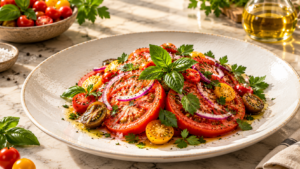
Slices of tomato arranged neatly across a plate can create a striking appearance, while colourful cherry tomatoes can produce a more casual and vibrant look.
Fresh herbs, carefully drizzled dressing and a clean plate can make the dish feel polished without unnecessary decoration.
What Makes a Good Tomato Salad?
A good Tomato Salad should feel fresh first.
The tomatoes should have a pleasant texture, the dressing should be balanced and any additional ingredients should contribute something useful.
Too much dressing can make the salad watery, while too many toppings can distract from the tomatoes themselves.
Sometimes, restraint is what allows the main ingredient to shine.
Simple Doesn’t Mean Boring
Tomato Salad demonstrates how freshness can be enough to create an enjoyable dish.
With ripe tomatoes, balanced seasoning, a little acidity and carefully chosen additions, a simple salad can become a refreshing part of a restaurant meal.
Its versatility is perhaps its biggest strength. It can remain beautifully simple or take on new flavours depending on the chef and the cuisine.