
Seafood Cheese Kottu
Categories
Categories
- Afghan Cuisine(1)
- American Cuisine(141)
- Australian Cuisine(6)
- Austrian Cuisine(2)
- Belgian Cuisine(1)
- Brazilian Cuisine(3)
- British Cuisine(35)
- Cakes in Sri Lanka(47)
- Canadian Cuisine(1)
- Chinese Cuisine(85)
- Cocktails in Sri Lanka(18)
- Cuban Cuisine(17)
- Dutch Cuisine(1)
- Egyptian Cuisine(3)
- Filipino Cuisine(3)
- French Cuisine(23)
- German Cuisine(9)
- Greek Cuisine(16)
- Hong Kong Cuisine(1)
- Indian Cuisine(79)
- Indonesian Cuisine(15)
- Innovative Sri Lankan Flavours(5)
- Iranian Cuisine(5)
- Irish Cuisine(2)
- Italian Cuisine(112)
- Japanese Cuisine(13)
- Kazakastani Cuisine(1)
- Korean Cuisine(0)
- Malaysian Cuisine(12)
- Mexican Cuisine(13)
- Modern Culinary Trends(40)
- Moroccan Cuisine(2)
- Omani Cuisine(1)
- Russian Cuisine(2)
- Saudi Arabian Cuisine(1)
- Senegalese Cuisine(1)
- Singapore Cuisine(1)
- Spanish Cuisine(7)
- Sri Lankan Authentic Beverages(37)
- Sri Lankan Authentic Curries(66)
- Sri Lankan Authentic Desserts(6)
- Sri Lankan Authentic Food(78)
- Sri Lankan Authentic Seafood(18)
- Sri Lankan Authentic Snacks(20)
- Sri Lankan Authentic Sweets(20)
- Swiss Cuisine(3)
- Taiwanese Cuisine(9)
- Thai Cuisine(21)
- Turkish Cuisine(11)
- Yemeni Cuisine(2)
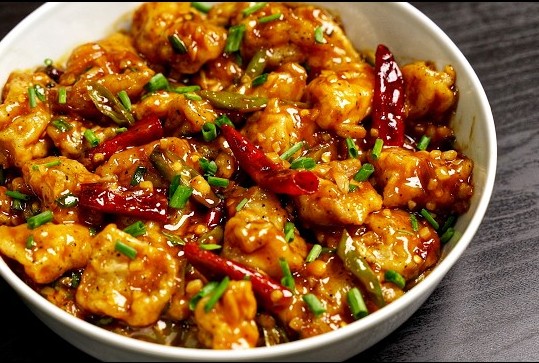
Seafood Cheese Kottu- A Delicious Sri Lankan Fusion of Seafood and Melted Cheese

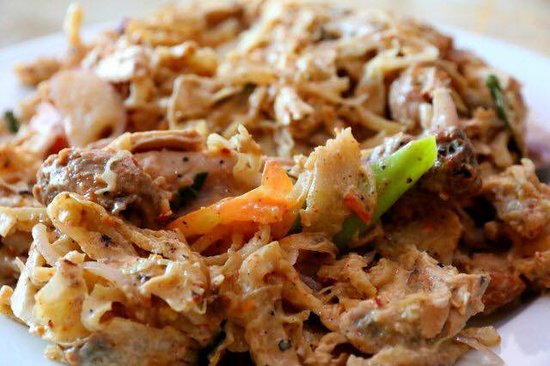
Seafood cheese kottu is a flavour-packed variation of Sri Lanka’s much-loved kottu roti. Combining chopped godamba roti, seafood, vegetables, aromatic spices and melted cheese, this dish brings together the familiar taste of traditional Sri Lankan street food with a rich, creamy twist.
From the rhythmic sound of metal blades chopping roti on a hot griddle to the irresistible aroma of seafood, spices and cheese, kottu is an experience that goes beyond an ordinary meal. Seafood cheese kottu takes that experience further by adding a combination of seafood and cheese that creates a satisfying balance of savoury, spicy and creamy flavours.
Whether enjoyed at a local kottu shop, a casual restaurant or a food outlet known for creative Sri Lankan dishes, seafood cheese kottu is an appealing choice for anyone who loves both seafood and cheesy comfort food.
What Is Seafood Cheese Kottu?
Seafood cheese kottu is a variation of Sri Lankan kottu made with chopped flatbread, seafood, vegetables, seasonings and cheese. The dish typically uses godamba roti, a thin and soft flatbread that is cut into small pieces and stir-fried on a hot cooking surface.
The seafood selection can vary depending on the restaurant or recipe. Prawns, cuttlefish and fish are common choices for seafood-based dishes, while some versions may include a combination of several seafood ingredients.
Cheese adds another layer of flavour and texture. As it melts into the hot roti and other ingredients, it creates a rich coating that complements the savoury seafood and spicy seasoning. The exact flavour depends on the cheese used, the seafood combination and the cook’s preferred spice level.
Unlike traditional kottu, which is often served with curry or a spicy gravy, seafood cheese kottu has an additional creamy element. Some restaurants prepare it with a generous amount of melted cheese, while others use cheese more lightly to preserve the flavours of the seafood and spices.
The Traditional Kottu Foundation
To understand seafood cheese kottu, it helps to know the dish from which it developed. Kottu roti is one of Sri Lanka’s best-known casual meals, prepared by chopping flatbread into small pieces and cooking it with a selection of ingredients on a hot griddle.
The basic ingredients commonly include godamba roti, vegetables, onions, leeks, carrots, eggs and seasonings. Depending on the variety, cooks may add chicken, beef, seafood or other ingredients.
One of the most recognisable features of kottu preparation is the chopping technique. Metal blades strike the hot cooking surface as the cook repeatedly cuts and mixes the ingredients. This method combines the components while helping distribute the seasonings throughout the dish.
Seafood cheese kottu builds on this familiar foundation. The chopped roti provides substance, vegetables contribute texture, seafood adds its distinctive savoury flavour, and cheese brings richness. The result is a modern variation that retains the recognisable character of kottu while offering something different.
The Seafood That Makes It Special
Seafood is the main feature that distinguishes this version from many other kottu varieties. The ingredients can be selected according to availability, personal preference and the style of the restaurant.
Prawns: Prawns contribute a naturally sweet, savoury flavour and a firm texture when cooked correctly. They work particularly well with garlic, pepper and mild chilli seasoning.
Cuttlefish: Cuttlefish provides a distinctive seafood taste and a pleasantly firm texture when prepared properly. Careful cooking is important to avoid making it overly chewy.
Fish: Pieces of boneless fish can add a delicate flavour to the mixture. The type of fish used may influence the final taste and texture.
Mixed seafood: Some versions combine prawns, cuttlefish and fish to create a varied seafood experience in one serving.
The seafood should be cooked appropriately before or during the mixing process, depending on the recipe. Overcooking can affect the texture, while insufficient cooking can compromise food safety.
When combined with chopped roti, vegetables and seasoning, the seafood becomes part of a filling meal rather than a separate side dish. The cheese adds richness without needing to overpower the seafood’s natural flavour.
Why Add Cheese to Seafood Kottu?
Cheese changes the character of seafood kottu by adding creaminess and a richer mouthfeel. Its flavour can complement the savoury ingredients while softening some of the sharper notes from chilli, pepper and other seasonings.
As the cheese melts, it can coat the chopped roti and seafood, helping the ingredients come together in each bite. The contrast between the soft roti, tender seafood and melted cheese makes the dish appealing to people who enjoy rich, hearty meals.
The type and quantity of cheese can influence the final result. A mild melting cheese can provide a smooth, creamy texture without dominating the seafood. A stronger-flavoured cheese may create a more pronounced taste.
Balance is important. Too much cheese can make the dish heavy and mask the seafood, while too little may not provide the creamy texture expected from a cheese kottu. A well-prepared serving allows the seafood, seasoning, roti and cheese to complement one another.
How Seafood Cheese Kottu Is Prepared
Although recipes differ between food outlets, seafood cheese kottu generally follows the familiar method used to prepare other kottu varieties.
First, godamba roti is chopped into small pieces. The vegetables are prepared, and the seafood is cleaned and cut as needed. Seasonings such as garlic, pepper, chilli and other spices may be used to develop the flavour.
Next, the ingredients are cooked on a hot griddle or suitable cooking surface. Vegetables are stir-fried, and the seafood is cooked until appropriately done. The chopped roti is added and mixed with the other ingredients so that the flavours become evenly distributed.
Cheese is then incorporated, often towards the end of cooking, allowing it to melt into the hot mixture. Some preparations may use a cheese sauce or a combination of cheese and other creamy ingredients, depending on the restaurant’s recipe.
The finished kottu is served hot, when the roti remains tender, the seafood is properly cooked and the cheese is melted. The cooking method, seasoning and cheese-to-seafood ratio all contribute to the final flavour.
What Does Seafood Cheese Kottu Taste Like?
Seafood cheese kottu offers several flavours and textures in one dish. The seafood contributes a savoury taste, the spices provide warmth, and the vegetables add freshness and texture. The chopped roti absorbs the seasoning, helping bring the different ingredients together.
The cheese introduces a creamy, rich element that distinguishes the dish from a more traditional seafood kottu. Depending on the recipe, the overall taste may be mildly spiced, noticeably hot or rich and creamy.
Texture is equally important. Well-prepared roti should be tender without becoming overly mushy. Seafood should remain appropriately cooked, and the melted cheese should complement the ingredients rather than form an excessively heavy layer.
Because restaurants use different recipes, seafood cheese kottu can vary considerably from one place to another. Asking about the seafood selection, spice level and type of cheese can help diners choose a version that suits their preferences.
When to Enjoy Seafood Cheese Kottu
Seafood cheese kottu is a substantial meal that can be enjoyed for lunch or dinner. Its combination of flatbread, seafood, vegetables and cheese makes it suitable for diners looking for something filling and flavourful.
It can also be a good choice when dining with friends or family at a restaurant that offers several kottu varieties. While one person might prefer chicken or beef kottu, seafood cheese kottu offers an alternative for those who enjoy seafood and creamy dishes.
For visitors exploring Sri Lankan cuisine, it provides an opportunity to experience a familiar local street-food favourite in a more contemporary form. Traditional kottu and creative variations alike demonstrate how Sri Lankan food outlets adapt popular dishes to suit different tastes.
As the dish is best enjoyed freshly prepared, serving it hot helps preserve the texture of the roti and the creamy quality of the melted cheese.
Tips for Choosing a Good Seafood Cheese Kottu
When ordering seafood cheese kottu, a few simple considerations can help improve the dining experience.
-
Check the seafood selection: Ask whether the dish includes prawns, fish, cuttlefish or a mixed seafood combination.
-
Choose your spice level: If you prefer mild flavours, ask whether the restaurant can reduce the chilli. If you enjoy heat, check whether a spicier version is available.
-
Consider the cheese balance: A good serving should allow the seafood and seasoning to remain noticeable rather than being completely covered by cheese.
-
Enjoy it fresh: Kottu is generally most enjoyable when served hot, shortly after preparation.
-
Mention any allergies: Seafood and dairy are both common allergens. Inform the restaurant about any relevant allergies and ask about cross-contact if necessary.
These small details can help you find a version that matches your taste while allowing you to appreciate the ingredients that make the dish distinctive.
Final Thoughts
Seafood cheese kottu brings together the familiar flavours of Sri Lankan kottu with the richness of melted cheese and the savoury taste of seafood. With chopped roti, vegetables, spices and a choice of seafood ingredients, it offers a satisfying alternative to traditional chicken, beef or plain seafood kottu.
Whether you prefer prawns, cuttlefish, fish or a mixture of seafood, this cheesy variation is worth exploring if you enjoy bold flavours and hearty meals.
Looking for delicious kottu varieties and more culinary discoveries? Explore Lankaura, Sri Lanka’s food discovery platform…!