Butter Roti
Categories
Categories
- Afghan Cuisine(1)
- American Cuisine(141)
- Australian Cuisine(6)
- Austrian Cuisine(2)
- Belgian Cuisine(1)
- Brazilian Cuisine(3)
- British Cuisine(35)
- Cakes in Sri Lanka(47)
- Canadian Cuisine(1)
- Chinese Cuisine(85)
- Cocktails in Sri Lanka(18)
- Cuban Cuisine(17)
- Dutch Cuisine(1)
- Egyptian Cuisine(3)
- Filipino Cuisine(3)
- French Cuisine(23)
- German Cuisine(9)
- Greek Cuisine(16)
- Hong Kong Cuisine(1)
- Indian Cuisine(79)
- Indonesian Cuisine(15)
- Innovative Sri Lankan Flavours(5)
- Iranian Cuisine(5)
- Irish Cuisine(2)
- Italian Cuisine(112)
- Japanese Cuisine(13)
- Kazakastani Cuisine(1)
- Korean Cuisine(0)
- Malaysian Cuisine(12)
- Mexican Cuisine(13)
- Modern Culinary Trends(40)
- Moroccan Cuisine(2)
- Omani Cuisine(1)
- Russian Cuisine(2)
- Saudi Arabian Cuisine(1)
- Senegalese Cuisine(1)
- Singapore Cuisine(1)
- Spanish Cuisine(7)
- Sri Lankan Authentic Beverages(37)
- Sri Lankan Authentic Curries(66)
- Sri Lankan Authentic Desserts(6)
- Sri Lankan Authentic Food(78)
- Sri Lankan Authentic Seafood(18)
- Sri Lankan Authentic Snacks(20)
- Sri Lankan Authentic Sweets(20)
- Swiss Cuisine(3)
- Taiwanese Cuisine(9)
- Thai Cuisine(21)
- Turkish Cuisine(11)
- Yemeni Cuisine(2)
Butter Roti- A Simple Sri Lankan Favourite with a Rich, Buttery Flavour

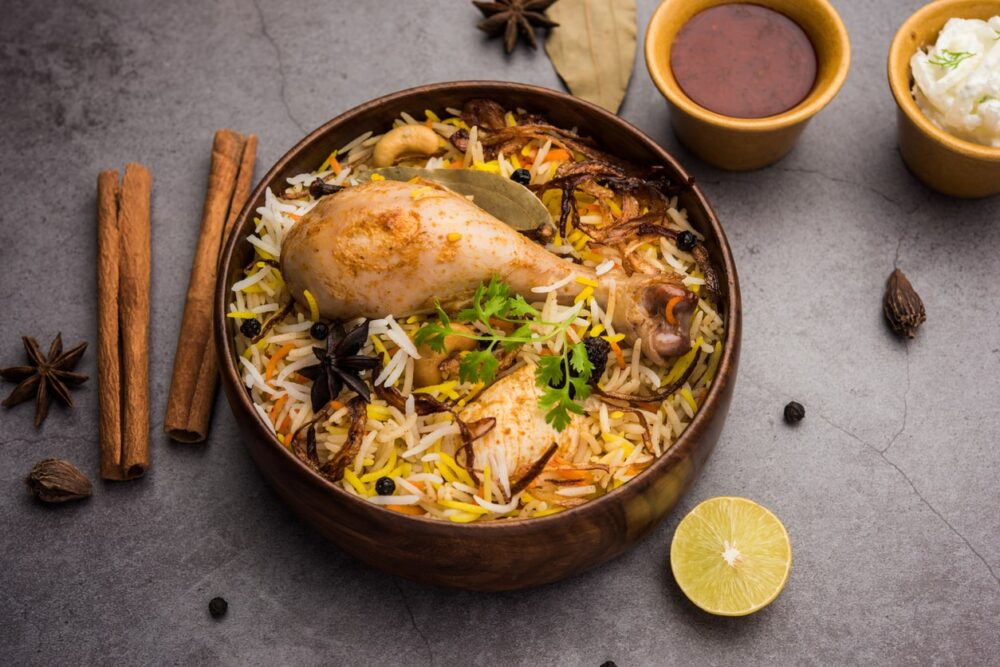
Butter roti is a simple yet satisfying flatbread enjoyed by people who appreciate soft, freshly cooked roti with a rich buttery flavour. Made using basic ingredients such as flour, butter, water and salt, this roti is known for its tender texture, lightly golden surface and delicious aroma. It can be enjoyed on its own, served with a spicy curry or paired with a cup of tea for a comforting snack.
In Sri Lanka, roti is a familiar part of everyday food culture. From small roadside eateries to family kitchens and local restaurants, different varieties of roti are prepared to suit different tastes. Butter roti offers a richer variation of the traditional flatbread, with butter adding flavour and helping create a softer, more satisfying bite.
Whether eaten for breakfast, as an afternoon snack or alongside a meal, butter roti shows how a few everyday ingredients can create something enjoyable and versatile.
What Is Butter Roti?
Butter roti is a flatbread prepared with flour and butter, which may be incorporated into the dough or brushed onto the roti during or after cooking. The exact preparation varies depending on the cook and the style of roti being made.
Unlike plain roti, which generally has a mild flavour, butter roti has a richer taste and a pleasant buttery aroma. Depending on the recipe, it may be soft and tender throughout or lightly crisp on the outside while remaining soft inside.
The ingredients are usually straightforward, making butter roti a practical choice for home cooking and restaurant menus. Its mild flavour also makes it easy to pair with both savoury and spicy accompaniments.
Although roti is enjoyed in many countries in different forms, Sri Lankan roti has its own place in local food culture. Butter roti builds on the familiar flatbread by adding a richer flavour that can be enjoyed without complicated fillings or elaborate preparation.
Ingredients Used to Make Butter Roti
The flavour and texture of butter roti depend on the ingredients, their proportions and the cooking technique.
Flour: Wheat flour is commonly used to prepare soft roti dough. It provides the structure needed to shape the dough into flat rounds.
Butter: Butter gives the roti its distinctive richness and aroma. It can be mixed into the dough or applied to the surface during cooking, depending on the recipe.
Water: Water brings the flour together to form a workable dough. The quantity needs to be adjusted to achieve a soft consistency that can be kneaded and shaped easily.
Salt: A small amount of salt balances the flavour and complements the richness of the butter.
Optional ingredients: Some recipes may include a little oil or other ingredients to improve the dough’s softness and make handling easier. However, the basic preparation can remain simple.
The key is to achieve a dough that is soft enough to roll without tearing. Too much flour can make the roti dry, while adding the liquid gradually helps the cook control the consistency.
How Butter Roti Is Prepared
Preparing butter roti begins with combining flour and salt in a mixing bowl. Butter is then incorporated according to the chosen recipe, and water is added gradually until the ingredients form a soft dough.
The dough is kneaded until it becomes smooth and reasonably elastic. Allowing it to rest can make it easier to shape and roll. Resting also gives the flour time to absorb moisture more evenly.
Once the dough is ready, it is divided into small portions and shaped into balls. Each portion is rolled or pressed into a flat round. The thickness depends on the preferred style, although an evenly shaped roti generally cooks more consistently.
A flat pan or griddle is heated before the roti is placed on it. The roti is cooked on both sides until it develops light golden patches and is cooked through. Additional butter may be brushed onto the surface while cooking or immediately after removing it from the pan.
The finished roti should be pleasantly soft, with a mild golden colour and a noticeable buttery aroma. Serving it warm helps preserve its texture and makes the buttery flavour more enjoyable.
What Makes Butter Roti Special?
The appeal of butter roti comes from its simplicity. It does not need an elaborate filling or a complicated combination of spices to be enjoyable. The combination of flour and butter creates a familiar, comforting flavour that suits different occasions.
Its texture is another important feature. When prepared well, butter roti can be soft enough to fold, tear and dip into curry. Light browning during cooking adds another layer of texture and gives the flatbread an inviting appearance.
Butter also makes the flavour more pronounced than that of a basic plain roti. Its richness pairs well with spicy foods, while the mild taste of the bread helps balance stronger seasonings.
Another advantage is its versatility. Butter roti can be served as a simple snack, included in a larger meal or offered as an alternative to other breads. The same basic preparation can be adjusted to create different textures and levels of richness.
Popular Ways to Enjoy Butter Roti
Butter roti can be enjoyed in several ways, depending on whether you prefer a simple snack or a more substantial meal.
With dhal curry: Creamy dhal curry is a natural accompaniment for roti. Its savoury flavour and soft texture complement the buttery flatbread.
With chicken curry: A spicy Sri Lankan chicken curry provides a stronger flavour that contrasts with the mild richness of butter roti. The bread can be used to scoop up the curry and its gravy.
With potato curry: A gently spiced potato curry offers a comforting combination. The soft potatoes and aromatic gravy work well with freshly cooked roti.
With pol sambol: For those who enjoy traditional Sri Lankan flavours, pol sambol adds coconut, chilli and tanginess to the meal. The spicy accompaniment balances the richness of the butter.
With a cup of tea: Butter roti can also be enjoyed as a snack with plain tea or milk tea. This is a simple option for an afternoon break.
On its own: Freshly cooked butter roti may need nothing more than a little extra butter. This allows the flavour and texture of the bread to remain the focus.
The best pairing depends on personal taste, and butter roti can fit easily into both traditional Sri Lankan meals and casual snack menus.
Butter Roti in Sri Lankan Food Culture
Roti is a familiar part of Sri Lankan food culture, appearing in home kitchens, street-food stalls and restaurants. Different preparations offer different experiences, from plain flatbreads to versions served with fillings or richer ingredients.
Butter roti fits into this wider variety by offering a buttery alternative for people who enjoy a softer, richer flatbread. Its straightforward ingredients make it suitable for preparing at home, while its versatility allows restaurants to serve it with curries and other dishes.
Sri Lankan food is often appreciated for the way simple staples are combined with coconut, spices and flavourful accompaniments. Roti reflects this approach because the same basic bread can become part of many different meals depending on what is served alongside it.
For visitors exploring Sri Lankan cuisine, trying different roti varieties can be an easy way to experience the range of everyday foods available across the island. For local diners, butter roti offers a familiar option with a richer flavour.
Is Butter Roti Suitable for Different Occasions?
Butter roti can be served at different times of the day. For breakfast, it can accompany a curry or be enjoyed with a simple side dish. As a snack, a freshly cooked roti with a cup of tea makes a convenient choice.
At lunch or dinner, butter roti can be included in a meal with dhal, vegetables or meat curries. Its mild flavour means it can complement strongly seasoned dishes without competing with them.
It can also be prepared at home using readily available ingredients. The dough can be portioned into individual rounds, making it convenient to cook only the amount needed. For the best eating experience, butter roti is generally most enjoyable when served warm and freshly cooked.
As with any recipe, the final result depends on the ingredients, the amount of butter used and the cooking method. Adjusting these elements allows cooks to create a version that suits their preferred flavour and texture.
Final Thoughts
Butter roti is a delicious example of how a familiar flatbread can become more flavourful with a simple addition. Its soft texture, lightly golden surface and rich buttery aroma make it a satisfying choice for breakfast, snacks or a meal with Sri Lankan curry.
Whether you enjoy it with dhal curry, spicy chicken curry, pol sambol or a warm cup of tea, butter roti offers plenty of ways to enjoy a simple food favourite.
Looking for delicious Sri Lankan food and more culinary discoveries? Explore Lankaura, Sri Lanka’s food discovery platform…!