

Garlic Roti
Categories
Categories
- Afghan Cuisine(1)
- American Cuisine(141)
- Australian Cuisine(6)
- Austrian Cuisine(2)
- Belgian Cuisine(1)
- Brazilian Cuisine(3)
- British Cuisine(35)
- Cakes in Sri Lanka(47)
- Canadian Cuisine(1)
- Chinese Cuisine(85)
- Cocktails in Sri Lanka(18)
- Cuban Cuisine(17)
- Dutch Cuisine(1)
- Egyptian Cuisine(3)
- Filipino Cuisine(3)
- French Cuisine(23)
- German Cuisine(9)
- Greek Cuisine(16)
- Hong Kong Cuisine(1)
- Indian Cuisine(79)
- Indonesian Cuisine(15)
- Innovative Sri Lankan Flavours(5)
- Iranian Cuisine(5)
- Irish Cuisine(2)
- Italian Cuisine(112)
- Japanese Cuisine(13)
- Kazakastani Cuisine(1)
- Korean Cuisine(0)
- Malaysian Cuisine(12)
- Mexican Cuisine(13)
- Modern Culinary Trends(40)
- Moroccan Cuisine(2)
- Omani Cuisine(1)
- Russian Cuisine(2)
- Saudi Arabian Cuisine(1)
- Senegalese Cuisine(1)
- Singapore Cuisine(1)
- Spanish Cuisine(7)
- Sri Lankan Authentic Beverages(37)
- Sri Lankan Authentic Curries(66)
- Sri Lankan Authentic Desserts(6)
- Sri Lankan Authentic Food(78)
- Sri Lankan Authentic Seafood(18)
- Sri Lankan Authentic Snacks(20)
- Sri Lankan Authentic Sweets(20)
- Swiss Cuisine(3)
- Taiwanese Cuisine(9)
- Thai Cuisine(21)
- Turkish Cuisine(11)
- Yemeni Cuisine(2)
Garlic Roti- A Flavourful Sri Lankan Flatbread with a Delicious Garlic Twist
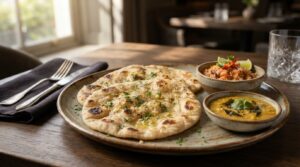
Garlic roti is a flavourful variation of traditional roti that brings together the comforting taste of freshly cooked flatbread and the distinctive aroma of garlic. With its golden surface, soft or slightly crispy texture and savoury flavour, garlic roti is a delicious choice for breakfast, lunch, dinner or a quick snack.
Roti is enjoyed in many forms across Sri Lanka, from simple coconut roti to vegetable-filled and spiced varieties. Garlic adds another layer of flavour, making the flatbread especially appealing to people who enjoy savoury food with a rich aroma.
Depending on the recipe, garlic roti may be prepared by mixing chopped garlic or crushed garlic directly into the dough, or by adding garlic-infused oil during cooking. Some versions include chopped green chillies, onions, curry leaves or other seasonings for additional flavour.
Whether served with a spicy sambol, dhal curry or enjoyed on its own, garlic roti offers a simple yet satisfying way to enjoy a familiar flatbread with a delicious twist.
What Is Garlic Roti?
Garlic roti is a savoury flatbread prepared with garlic as one of its main flavouring ingredients. Its exact preparation can vary between households, restaurants and regional cooking styles, but the central idea remains the same: combining the familiar texture of roti with the bold, aromatic flavour of garlic.
In Sri Lanka, roti is commonly made using wheat flour, water, salt and a small amount of oil. Depending on the variety, ingredients such as grated coconut, onions, chillies and herbs may also be added. Garlic can be incorporated into the dough or brushed onto the surface during cooking.
The resulting flatbread can be soft and pliable or cooked for longer to develop a lightly crisp exterior. The garlic flavour may be subtle or pronounced, depending on the quantity used and the cooking method.
Garlic roti is particularly suitable for people who prefer savoury flatbreads over sweeter breakfast foods. Its versatile flavour also makes it easy to pair with a variety of Sri Lankan accompaniments.
The Ingredients Behind Garlic Roti
One of the appealing features of garlic roti is that it can be prepared with a small number of everyday ingredients.
Wheat flour: Flour provides the structure of the roti. It is mixed with water and other ingredients to form a dough that can be shaped into flat rounds.
Garlic: Freshly chopped or crushed garlic gives the roti its characteristic aroma and savoury taste. Finely chopping the garlic helps distribute its flavour more evenly throughout the dough.
Water: Water brings the flour together and helps create a workable dough. The quantity needed depends on the flour and the desired texture.
Salt: A little salt enhances the overall flavour and balances the sharpness of the garlic.
Oil: Oil may be mixed into the dough or used on the cooking surface to help prevent sticking and encourage light browning.
Additional ingredients are optional. Chopped onions, green chillies, curry leaves or black pepper can create a more strongly seasoned version. Some recipes also use butter or garlic butter to give the finished roti a richer taste.
The balance between these ingredients determines whether the final result is a simple garlic flatbread or a more heavily seasoned snack.
How Garlic Roti Is Prepared
Preparing garlic roti begins with making a dough that is soft enough to shape but firm enough to handle.
First, flour and salt are combined in a bowl. Finely chopped or crushed garlic is added, followed by water in small amounts until the mixture forms a dough. A little oil may be incorporated to improve the dough’s texture.
The dough is kneaded until it becomes reasonably smooth, then allowed to rest when the recipe calls for it. Resting helps the dough become easier to shape.
Next, the dough is divided into portions and rolled or pressed into flat rounds. The thickness can vary depending on the preferred style. Thinner roti may cook more quickly and develop crisp edges, while thicker versions can remain softer in the middle.
The flattened dough is placed on a heated pan or griddle and cooked on both sides until it is cooked through and lightly browned. A small amount of oil or garlic-infused butter may be added for extra flavour.
The roti is best served warm, when the garlic aroma is noticeable and the texture is at its most enjoyable.
What Makes Garlic Roti Special?
Garlic roti stands out because of its simple preparation and distinctive savoury flavour. Garlic has a strong aroma that becomes mellower and more rounded when cooked, allowing it to complement the mild taste of the flatbread.
Texture also plays an important role. A well-cooked garlic roti can have a lightly crisp surface while remaining soft enough to fold, tear or dip into a curry. The contrast between the browned exterior and the tender interior makes each bite satisfying.
Another advantage is its flexibility. Garlic roti can be prepared with basic ingredients for an everyday meal or enhanced with additional herbs, spices and butter for a richer version.
It can also be adjusted to suit different preferences. People who enjoy mild flavours can use a small amount of garlic, while those who prefer a stronger taste can increase the quantity or finish the roti with garlic butter.
This combination of familiarity and flexibility makes garlic roti an appealing option for people who enjoy Sri Lankan flatbreads but want to try something a little different.
Best Accompaniments for Garlic Roti
Garlic roti can be enjoyed on its own, but pairing it with the right side dish creates a more complete meal.
Pol sambol: This coconut-based accompaniment combines grated coconut with chilli, onion, lime and seasonings. Its freshness and heat complement the savoury garlic flavour.
Lunu miris: Made with onion, chilli, lime and salt, lunu miris adds a sharp, spicy contrast to the mild flatbread.
Dhal curry: Creamy dhal curry is a comforting pairing. Its soft texture and gently spiced flavour work well with garlic roti, particularly when served for breakfast or dinner.
Potato curry: A spiced potato curry offers a filling accompaniment, with the sauce providing moisture and flavour alongside the flatbread.
Chicken curry: For a more substantial meal, garlic roti can be served with chicken curry. The garlic notes can complement the aromatic spices commonly used in Sri Lankan curry preparations.
Chilli sauce or garlic butter: For a simple snack, garlic roti may be served with a dipping sauce or a small amount of garlic butter, depending on the style of preparation.
The ideal accompaniment depends on whether the roti is intended as a light snack or part of a full meal.
Garlic Roti as a Breakfast, Snack or Main Meal
One reason roti remains popular in Sri Lanka is its ability to fit into different meals throughout the day. Garlic roti follows the same pattern.
For breakfast, it can be served with dhal curry, sambol or a cup of tea. Its savoury flavour makes it a satisfying alternative to plain bread or other common breakfast options.
As an afternoon snack, a freshly cooked garlic roti can be enjoyed on its own or with a small dipping sauce. Smaller portions are convenient for sharing, especially when served alongside other short eats.
For lunch or dinner, garlic roti can accompany curries and vegetable dishes. It can also be included in a meal featuring several Sri Lankan side dishes, allowing diners to combine different flavours and textures.
Restaurants and cafés may serve garlic roti as a standalone item or as part of a wider menu of flatbreads and local dishes. Its familiar ingredients and adaptable preparation make it suitable for a range of dining styles.
Garlic Roti in Sri Lankan Food Culture
Roti has an established place in Sri Lankan food culture, with different varieties appearing in homes, street-food stalls, bakeries and restaurants. Coconut roti, plain roti and stuffed roti demonstrate how a simple dough can be adapted to suit different ingredients and tastes.
Garlic roti fits naturally into this wider tradition of flavourful flatbreads. It uses a familiar preparation method while introducing garlic as a defining ingredient.
Its appeal also reflects the importance of customisation in everyday cooking. A basic roti recipe can be adapted with available ingredients, making it possible for cooks to create different flavours without changing the fundamental dish.
For visitors exploring Sri Lankan cuisine, garlic roti can be an enjoyable option alongside more widely recognised dishes such as hoppers, kottu and rice and curry. For local diners, it offers another way to enjoy a familiar flatbread with a savoury twist.
Final Thoughts
Garlic roti is a delicious example of how a simple flatbread can become more flavourful with the addition of one familiar ingredient. Its savoury garlic aroma, lightly browned exterior and soft centre make it a versatile choice for breakfast, snacks or a satisfying meal.
Whether you enjoy it with pol sambol, dhal curry, potato curry or simply on its own, garlic roti offers plenty of ways to enjoy Sri Lankan-style flatbread.
Looking for delicious Sri Lankan food and more culinary discoveries? Explore Lankaura, Sri Lanka’s food discovery platform…!
