
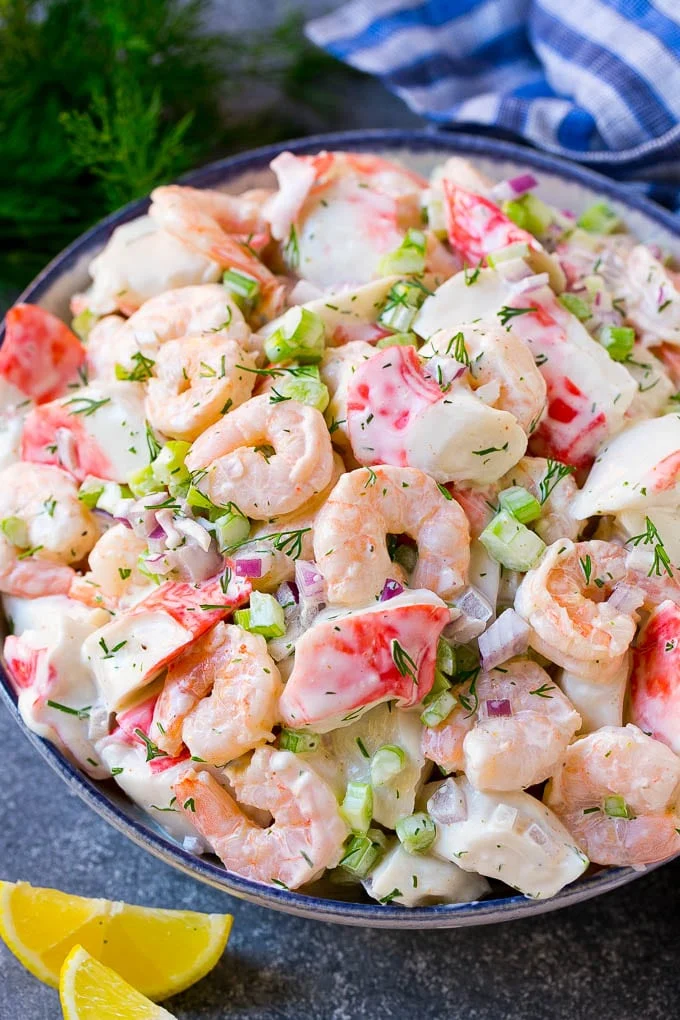
Seafood Salad
Categories
Categories
- Afghan Cuisine(1)
- American Cuisine(141)
- Australian Cuisine(6)
- Austrian Cuisine(2)
- Belgian Cuisine(1)
- Brazilian Cuisine(3)
- British Cuisine(35)
- Cakes in Sri Lanka(47)
- Canadian Cuisine(1)
- Chinese Cuisine(85)
- Cocktails in Sri Lanka(18)
- Cuban Cuisine(17)
- Dutch Cuisine(1)
- Egyptian Cuisine(3)
- Filipino Cuisine(3)
- French Cuisine(23)
- German Cuisine(9)
- Greek Cuisine(16)
- Hong Kong Cuisine(1)
- Indian Cuisine(79)
- Indonesian Cuisine(15)
- Innovative Sri Lankan Flavours(5)
- Iranian Cuisine(5)
- Irish Cuisine(2)
- Italian Cuisine(112)
- Japanese Cuisine(13)
- Kazakastani Cuisine(1)
- Korean Cuisine(0)
- Malaysian Cuisine(12)
- Mexican Cuisine(13)
- Modern Culinary Trends(40)
- Moroccan Cuisine(2)
- Omani Cuisine(1)
- Russian Cuisine(2)
- Saudi Arabian Cuisine(1)
- Senegalese Cuisine(1)
- Singapore Cuisine(1)
- Spanish Cuisine(7)
- Sri Lankan Authentic Beverages(37)
- Sri Lankan Authentic Curries(66)
- Sri Lankan Authentic Desserts(6)
- Sri Lankan Authentic Food(78)
- Sri Lankan Authentic Seafood(18)
- Sri Lankan Authentic Snacks(20)
- Sri Lankan Authentic Sweets(20)
- Swiss Cuisine(3)
- Taiwanese Cuisine(9)
- Thai Cuisine(21)
- Turkish Cuisine(11)
- Yemeni Cuisine(2)


Seafood Salad- A Fresh Way to Enjoy the Flavours of the Sea
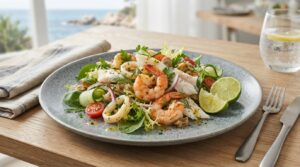
When seafood is paired with crisp vegetables, fresh herbs and a well-balanced dressing, it can become a completely different kind of meal. Seafood salad brings together cooked seafood and fresh ingredients to create a dish that can feel light, refreshing and satisfying at the same time.
There is no single recipe for seafood salad. It can be made with prawns, crab, squid, fish, mussels or a combination of seafood, with the remaining ingredients changing according to the cuisine and style. Some versions are bright and citrusy, while others use creamy dressings or spicy seasonings.
What Goes Into a Seafood Salad?
The seafood is naturally the centre of the dish, but the supporting ingredients provide much of its contrast.
Prawns are a popular choice because of their firm texture and naturally sweet flavour. Squid can add a pleasantly chewy bite when cooked correctly, while flaky fish works well in salads where a softer texture is preferred. Crab and shellfish can also bring distinctive flavours to the combination.
Fresh vegetables can include lettuce, cucumber, tomatoes, bell peppers, onions or other crisp produce. Herbs such as parsley, coriander or mint can add freshness, depending on the style of salad.
The aim is to create contrast rather than simply combining ingredients. Tender seafood alongside crunchy vegetables and a bright dressing can make each bite more interesting.
Why the Dressing Matters
A seafood salad can change dramatically depending on its dressing.
A simple combination of citrus juice, olive oil, salt and pepper can keep the dish light and allow the seafood to remain prominent. Garlic, herbs, chilli or mustard can add more depth without making the dressing too heavy.
Creamier dressings can create a richer salad, while vinegar-based dressings provide acidity that works particularly well with seafood. The right amount of dressing is important: too much can overwhelm delicate seafood and make crisp vegetables lose their texture.
Preparing the Seafood
Seafood for a salad is generally cooked before being combined with the fresh ingredients. The cooking method depends on the seafood being used.
Prawns can be boiled, steamed, grilled or quickly sautéed. Squid is often cooked briefly over high heat or prepared using a method that allows it to become tender without remaining tough. Fish can be steamed, poached, grilled or baked before being flaked into the salad.
Once cooked, seafood should be allowed to cool appropriately before being combined with delicate salad ingredients. This helps protect the texture of vegetables such as lettuce and cucumber.
A Balance of Textures and Flavours
One of the most enjoyable aspects of seafood salad is the contrast between ingredients.
Crunchy vegetables can balance tender seafood, while citrus or vinegar provides acidity against naturally savoury flavours. Fresh herbs can bring an aromatic quality, and chilli can add heat when desired.
For a more substantial meal, ingredients such as avocado, boiled eggs, beans, potatoes or grains may be included depending on the recipe. However, the additional ingredients should complement rather than hide the seafood.
Seafood Salad with a Sri Lankan Touch
Sri Lankan cuisine offers plenty of ingredients that can give seafood salad a distinctive local character. Lime, chilli, red onion, fresh herbs and aromatic spices can add brightness and heat to a seafood-based salad.
A Sri Lankan-inspired preparation can also draw from the island’s love of fresh seafood while keeping the overall dish lighter than many traditional cooked seafood preparations.
The combination of fresh seafood with sharp citrus and chilli creates a particularly appealing contrast, especially in warm weather.
When Is Seafood Salad a Good Choice?
Seafood salad can work as a starter, side dish or light main meal depending on its ingredients and portion size. A simple salad with prawns and fresh vegetables can be refreshing at lunch, while a more substantial version containing fish, potatoes, grains or other filling ingredients can serve as a complete meal.
It also offers plenty of flexibility. The seafood can be changed, vegetables can be adapted to what is fresh, and the dressing can be adjusted to suit different preferences.
Fresh, Simple and Full of Possibilities
Seafood salad demonstrates that seafood does not always need to be served in a rich curry, fried preparation or heavy sauce. With fresh produce and a thoughtful dressing, it can become a colourful and refreshing dish where different textures work together.
Whether you prefer prawns with citrus and herbs, grilled seafood with crisp vegetables, or a spicy Sri Lankan-inspired combination, seafood salad offers a fresh way to appreciate the natural character of seafood.

