
Prawn Kottu
Categories
Categories
- Afghan Cuisine(1)
- American Cuisine(141)
- Australian Cuisine(6)
- Austrian Cuisine(2)
- Belgian Cuisine(1)
- Brazilian Cuisine(3)
- British Cuisine(35)
- Cakes in Sri Lanka(47)
- Canadian Cuisine(1)
- Chinese Cuisine(85)
- Cocktails in Sri Lanka(18)
- Cuban Cuisine(17)
- Dutch Cuisine(1)
- Egyptian Cuisine(3)
- Filipino Cuisine(3)
- French Cuisine(23)
- German Cuisine(9)
- Greek Cuisine(16)
- Hong Kong Cuisine(1)
- Indian Cuisine(79)
- Indonesian Cuisine(15)
- Innovative Sri Lankan Flavours(5)
- Iranian Cuisine(5)
- Irish Cuisine(2)
- Italian Cuisine(112)
- Japanese Cuisine(13)
- Kazakastani Cuisine(1)
- Korean Cuisine(0)
- Malaysian Cuisine(12)
- Mexican Cuisine(13)
- Modern Culinary Trends(40)
- Moroccan Cuisine(2)
- Omani Cuisine(1)
- Russian Cuisine(2)
- Saudi Arabian Cuisine(1)
- Senegalese Cuisine(1)
- Singapore Cuisine(1)
- Spanish Cuisine(7)
- Sri Lankan Authentic Beverages(37)
- Sri Lankan Authentic Curries(66)
- Sri Lankan Authentic Desserts(6)
- Sri Lankan Authentic Food(78)
- Sri Lankan Authentic Seafood(18)
- Sri Lankan Authentic Snacks(20)
- Sri Lankan Authentic Sweets(20)
- Swiss Cuisine(3)
- Taiwanese Cuisine(9)
- Thai Cuisine(21)
- Turkish Cuisine(11)
- Yemeni Cuisine(2)
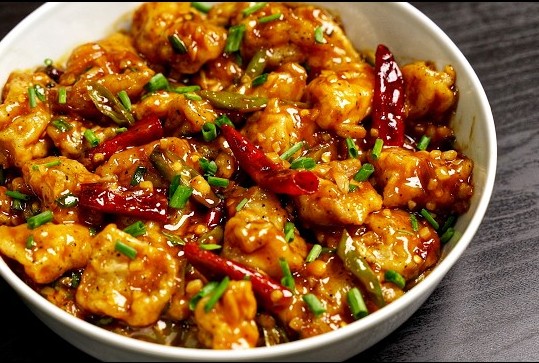
Prawn Kottu – A Seafood Favourite with Sri Lankan Flavours

Prawn kottu combines the familiar taste of Sri Lankan kottu roti with the delicate flavour of prawns. Prepared with chopped godamba roti, vegetables, spices, and juicy prawns, this seafood variation offers a satisfying meal for anyone who enjoys bold flavours and fresh seafood.
Kottu is a well-known favourite across Sri Lanka, enjoyed at roadside eateries, restaurants, and food stalls. Prawn kottu brings a seafood twist to this popular dish, combining the chewy texture of roti with the savoury flavours of vegetables, seasoning, and prawns.
What Is Prawn Kottu?
Prawn kottu is a variation of kottu roti prepared by stir-frying chopped godamba roti with prawns, vegetables, eggs, and seasonings. The ingredients are cooked together on a hot griddle or cooking surface, allowing the flavours to blend.
Prawns have a distinctive seafood flavour and a tender texture when properly cooked. They pair well with chilli, garlic, onions, and other seasonings commonly used in savoury Sri Lankan dishes.
The recipe can vary between restaurants. Some versions focus on spicy seasoning, while others include cheese, curry gravy, or additional seafood.
What Goes Into Prawn Kottu?
The ingredients depend on the recipe, but common components include:
-
Godamba roti: Chopped flatbread that forms the base of the dish.
-
Prawns: Cleaned prawns that provide the main seafood flavour.
-
Vegetables: Carrots, cabbage, leeks, and onions add colour and texture.
-
Eggs: Contribute richness and help combine the ingredients.
-
Chillies and spices: Bring heat and savoury flavour.
-
Sauces and seasonings: Help balance the ingredients and add depth.
Some restaurants may also add cheese or serve the dish with curry gravy for an extra layer of flavour.
How Is Prawn Kottu Prepared?
The prawns are cleaned and seasoned before being cooked until just tender. Proper cooking is important because prawns can become firm and rubbery if left on the heat for too long.
Vegetables, onions, chillies, and other seasonings are prepared on a hot cooking surface. The chopped godamba roti is then added, followed by the cooked prawns and any eggs or sauces used in the recipe.
The ingredients are repeatedly chopped, tossed, and mixed until the flavours are evenly distributed. The finished dish combines the familiar texture of kottu with the delicate taste of prawns.
What Makes Prawn Kottu Special?
Prawn kottu stands out because of its seafood flavour and the contrast between tender prawns and chopped roti. The prawns work well with spicy seasonings, while the vegetables add texture and balance.
For seafood lovers, it provides an alternative to chicken, beef, or egg kottu without moving away from the familiar preparation style of Sri Lankan kottu.
Popular Prawn Kottu Variations
Different restaurants may offer their own versions of prawn kottu.
-
Prawn spicy kottu – Includes additional chillies for a stronger kick.
-
Prawn cheese kottu – Combines prawns and melted cheese for a richer dish.
-
Mixed seafood kottu – Includes prawns alongside other seafood, such as cuttlefish.
-
Prawn egg kottu – Adds eggs for extra richness.
-
Prawn garlic kottu – Highlights the flavour of garlic alongside the prawns.
Each variation offers a different flavour profile while keeping prawns as an important ingredient.
What Can You Enjoy with Prawn Kottu?
Prawn kottu is filling enough to enjoy on its own, but it can also be served with complementary accompaniments.
-
Curry gravy – Adds moisture and a deeper savoury flavour.
-
Chilli paste – Provides extra heat for spice lovers.
-
Fresh salad – Offers a refreshing contrast to the warm spices.
-
A chilled drink – Complements a spicy seafood meal.
The ideal combination depends on the restaurant’s preparation and your personal preferences.
Final Thoughts
Prawn kottu brings together two favourites of Sri Lankan food: kottu roti and seafood. With chopped roti, vegetables, spices, and tender prawns, it offers a flavourful option for diners who want to explore a seafood variation of this popular street-food dish.
Looking for more culinary discoveries? Explore more Lankaura.