Vegetable Cheese Kottu
Categories
Categories
- Afghan Cuisine(1)
- American Cuisine(141)
- Australian Cuisine(6)
- Austrian Cuisine(2)
- Belgian Cuisine(1)
- Brazilian Cuisine(3)
- British Cuisine(35)
- Cakes in Sri Lanka(47)
- Canadian Cuisine(1)
- Chinese Cuisine(85)
- Cocktails in Sri Lanka(18)
- Cuban Cuisine(17)
- Dutch Cuisine(1)
- Egyptian Cuisine(3)
- Filipino Cuisine(3)
- French Cuisine(23)
- German Cuisine(9)
- Greek Cuisine(16)
- Hong Kong Cuisine(1)
- Indian Cuisine(79)
- Indonesian Cuisine(15)
- Innovative Sri Lankan Flavours(5)
- Iranian Cuisine(5)
- Irish Cuisine(2)
- Italian Cuisine(112)
- Japanese Cuisine(13)
- Kazakastani Cuisine(1)
- Korean Cuisine(0)
- Malaysian Cuisine(12)
- Mexican Cuisine(13)
- Modern Culinary Trends(40)
- Moroccan Cuisine(2)
- Omani Cuisine(1)
- Russian Cuisine(2)
- Saudi Arabian Cuisine(1)
- Senegalese Cuisine(1)
- Singapore Cuisine(1)
- Spanish Cuisine(7)
- Sri Lankan Authentic Beverages(37)
- Sri Lankan Authentic Curries(66)
- Sri Lankan Authentic Desserts(6)
- Sri Lankan Authentic Food(78)
- Sri Lankan Authentic Seafood(18)
- Sri Lankan Authentic Snacks(20)
- Sri Lankan Authentic Sweets(20)
- Swiss Cuisine(3)
- Taiwanese Cuisine(9)
- Thai Cuisine(21)
- Turkish Cuisine(11)
- Yemeni Cuisine(2)
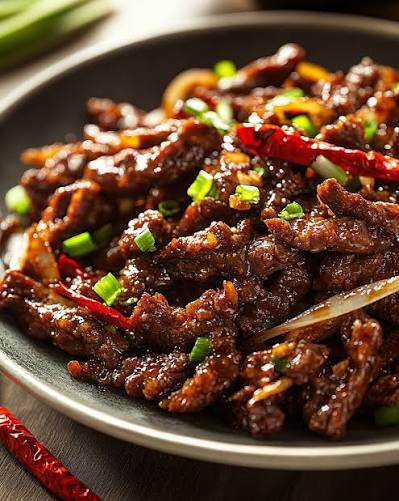
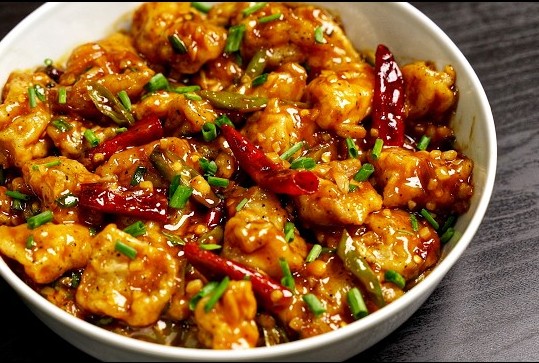
Vegetable Cheese Kottu – A Colourful, Cheesy Sri Lankan Favourite

The sound of metal blades chopping roti on a hot griddle is one of the most recognisable parts of Sri Lanka’s street-food culture. Kottu roti has become a favourite across the island, with countless variations offering something for different tastes. Among them, Vegetable Cheese Kottu combines colourful vegetables, chopped flatbread and melted cheese for a comforting meal with plenty of flavour and texture.
Whether you prefer a meat-free meal, enjoy cheesy dishes or simply want to try a different type of kottu, this variation is worth discovering. The vegetables bring colour and texture, the roti provides a satisfying base, and the cheese adds a rich finish.
But what makes Vegetable Cheese Kottu different from ordinary vegetable kottu, and what should you expect when ordering it? Let’s explore this popular combination.
What Is Vegetable Cheese Kottu?
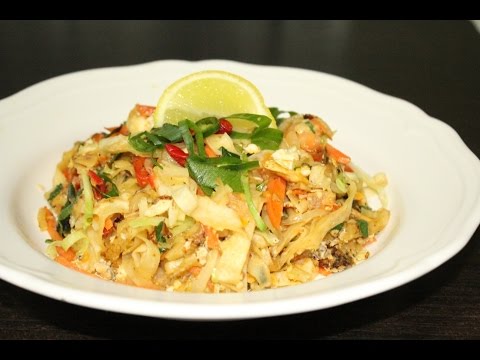
Vegetable Cheese Kottu is a variation of Sri Lankan kottu roti prepared with chopped godamba roti, vegetables and cheese. Depending on the recipe, it may also include onions, leeks, carrots, cabbage, green chillies, curry leaves, spices and sauces.
Godamba roti is a thin, flexible flatbread that is cut into small pieces and cooked on a hot griddle. The cook chops and mixes it with the other ingredients until the flavours are distributed throughout the dish.
In Vegetable Cheese Kottu, vegetables contribute different textures and flavours, while cheese makes the dish richer and creamier. Some restaurants use mozzarella for its melting quality, while others may choose processed cheese, cheddar or a cheese sauce.
The exact ingredients and cooking method can vary from one outlet to another. Some versions have a mild flavour with plenty of melted cheese, while others include more chillies and stronger seasonings.
Although the dish is often ordered as a vegetarian option, it is important to check the ingredients if you follow a vegetarian diet. Some versions may contain egg, meat-based gravy or other animal-derived ingredients.
What Makes Vegetable Cheese Kottu Special?
The appeal of Vegetable Cheese Kottu comes from its combination of familiar Sri Lankan flavours and a rich, cheesy texture.
- The Richness of Melted Cheese
Cheese gives this kottu variation its distinctive character. As it melts into the hot roti and vegetables, it can create a creamy texture and a savoury flavour.
Mozzarella is often suitable when a stretchy, melted finish is desired. Cheddar and other cheeses can provide a stronger taste, while a cheese sauce may distribute the flavour more evenly.
The quantity of cheese makes a difference, too. A moderate amount allows the vegetables and spices to remain noticeable, while a more generous serving creates a richer dish.
A well-prepared Vegetable Cheese Kottu should bring the cheese and other ingredients together rather than allowing the cheese to overpower every flavour.
- A Variety of Vegetables
Vegetables add colour, texture and flavour to the dish. Depending on the recipe, common choices include carrots, cabbage, leeks, onions and green chillies.
Carrots can contribute a gentle sweetness, cabbage adds texture, and leeks and onions provide a savoury base. Green chillies can introduce extra heat for those who enjoy spicy food.
The combination can differ between restaurants, which means the flavour and appearance of Vegetable Cheese Kottu are not always the same.
- Chopped Godamba Roti
The roti is the foundation of kottu. Its thin, flexible texture allows it to be chopped into small pieces and mixed with vegetables, cheese and seasonings.
As the ingredients cook together, the roti absorbs some of the flavour while retaining enough texture to make the meal satisfying.
The familiar chopping and mixing process also helps distribute the ingredients throughout the dish, so each mouthful can contain a little of everything.
- Sri Lankan Seasonings
Vegetable Cheese Kottu does not have to be bland simply because it contains vegetables. Curry leaves, garlic, black pepper, onions and chillies can provide a strong savoury flavour.
Some recipes also include sauces or a little gravy to add moisture and depth. The seasoning depends on the cook and the style of kottu being prepared.
When balanced properly, these flavours complement the cheese and vegetables without making the dish unnecessarily heavy.
How Is Vegetable Cheese Kottu Prepared?
Recipes differ, but the general preparation follows the familiar kottu-making method.
- Preparing the Ingredients
The godamba roti is cut into small pieces, and the vegetables are washed and sliced or chopped. The cheese is prepared according to the type being used, and the seasonings are kept ready.
Preparing everything in advance helps the cooking process move smoothly, as kottu is generally assembled and cooked on a hot surface.
- Cooking the Vegetables
The cook heats a griddle or suitable cooking surface and begins cooking the vegetables with seasonings such as onions, garlic, curry leaves and chillies.
The vegetables need to be cooked enough to develop flavour while retaining some texture. Overcooking them can make the final mixture too soft.
The order of ingredients may vary. Some cooks prepare the vegetables first, while others combine ingredients in stages as they work on the griddle.
- Adding the Roti
The chopped roti is added to the cooked vegetables and mixed together. Metal blades are commonly used to chop and turn the ingredients across the hot surface.
This process helps the roti absorb the seasoning and brings the different ingredients together.
If the recipe includes gravy or sauce, it may be added in small amounts to provide moisture and flavour without making the mixture soggy.
- Finishing with Cheese
The cheese is added at an appropriate stage so that it melts and combines with the hot roti and vegetables.
The finished dish should be served hot, with the cheese contributing a creamy or stretchy texture depending on the variety used. The vegetables should remain identifiable, and the roti should be well seasoned.
What Does Vegetable Cheese Kottu Taste Like?
Vegetable Cheese Kottu combines the savoury flavour of seasoned roti with the freshness and texture of vegetables and the richness of melted cheese.
The vegetables can contribute sweetness, mild bitterness or a little crunch, depending on the ingredients and cooking time. Cheese adds creaminess and saltiness, while spices and sauces provide the familiar savoury character of Sri Lankan kottu.
The overall flavour can be adjusted in several ways. A mild version may highlight the cheese, while a spicier preparation can bring chillies and black pepper to the front.
Texture is another important part of the experience. Properly cooked roti should absorb the seasoning without becoming excessively wet, while the vegetables should complement the softer flatbread and melted cheese.
If you enjoy a meal with several textures and a rich flavour, this variation offers a satisfying combination.
What Can You Eat with Vegetable Cheese Kottu?
Vegetable Cheese Kottu can be enjoyed as a complete meal, but accompaniments can make it even more interesting.
- Spicy Gravy
Some restaurants serve kottu with curry gravy on the side. The gravy can add moisture and a deeper savoury flavour.
If the kottu already contains plenty of cheese, adding gravy gradually can help preserve the texture.
- Chilli Sauce
A chilli sauce is a useful option for anyone who enjoys extra heat. Its sharp flavour can contrast with the richness of the cheese.
Serving it separately also allows each person to adjust the spice level to their preference.
- Fresh Lime Drink
A refreshing lime drink or another non-alcoholic beverage can complement a warm, savoury meal. Water is also a simple choice, particularly if the kottu is heavily seasoned.
- A Light Side Salad
Where available, a small fresh salad can provide a contrasting texture. However, Vegetable Cheese Kottu is often filling enough to enjoy without additional food.
The best pairing depends on the richness, spice level and portion size of the particular version you order.
Is Vegetable Cheese Kottu a Healthy Choice?
The nutritional value of Vegetable Cheese Kottu depends on the ingredients, portion size and cooking method.
Vegetables provide fibre, vitamins and minerals. Roti supplies carbohydrates, while cheese contributes protein, fat and calcium. The overall balance changes according to how much cheese, oil and sauce are used.
A restaurant serving with generous cheese and cooking oil may be richer than a homemade version prepared with smaller amounts. The dish name alone is not enough to determine its exact calorie content.
If you are preparing it at home, you can adjust the amount of cheese, include a variety of vegetables and control the quantity of oil and sauce. These changes allow you to customise the meal to your preferences.
It is also worth checking ingredients if you have dietary requirements. Cheese contains milk, and some recipes may include egg or other ingredients that are not suitable for everyone.
Can You Make Vegetable Cheese Kottu at Home?
Yes. Home cooks can prepare a version of Vegetable Cheese Kottu using cooked godamba roti, their preferred vegetables, cheese and seasonings.
A few practical tips can help:
- Cut the roti into small, fairly even pieces so it mixes easily with the vegetables.
- Slice the vegetables to a similar size for more even cooking.
- Cook the vegetables until tender but not overly soft.
- Add sauces gradually to avoid making the roti soggy.
- Choose a cheese that melts well for the texture you prefer.
- Add the cheese at a suitable stage and serve the kottu while hot.
You can also adjust the spice level to suit your taste. Green chillies and black pepper provide heat, while a milder seasoning allows the vegetables and cheese to stand out.
The recipe does not need to be identical to a restaurant version. The flexibility of kottu is part of what makes it so easy to customise.
Vegetable Cheese Kottu in Sri Lanka’s Food Culture
Kottu is more than a convenient meal in Sri Lanka. It is part of the country’s everyday food experience, from evening meals at roadside stalls to casual restaurant visits with friends and family.
One reason for its popularity is its versatility. The basic combination of chopped roti and seasonings can be adapted with chicken, beef, seafood, egg, vegetables and a variety of other ingredients.
Vegetable Cheese Kottu brings together a vegetable-based preparation and the indulgent flavour of cheese. It gives diners another option when exploring kottu menus and offers home cooks a way to experiment with ingredients.
Each restaurant may have its own approach. Some versions focus on colourful vegetables, while others feature a stronger cheese flavour or a spicier seasoning. Exploring these differences can be part of discovering the variety of Sri Lankan food.
Final Thoughts
Vegetable Cheese Kottu is a colourful and satisfying variation of Sri Lankan kottu roti. Chopped godamba roti, vegetables, seasonings and melted cheese come together to create a dish with a mixture of textures and a rich, savoury flavour.
Its versatility makes it appealing to people who enjoy vegetables, cheese and Sri Lankan street food. Whether you prefer a mild, creamy version or one with extra spice, the dish can be adapted to suit different tastes.
The next time you explore a kottu menu, consider trying Vegetable Cheese Kottu and discovering how this familiar Sri Lankan favourite changes with a cheesy twist.
Looking for delicious vegetable cheese kottu and more culinary discoveries? Explore Lankaura, Sri Lanka’s food discovery platform…!
Follow Lankaura on Facebook, Instagram and TikTok.