

Prawn Cheese Kottu
Categories
Categories
- Afghan Cuisine(1)
- American Cuisine(141)
- Australian Cuisine(6)
- Austrian Cuisine(2)
- Belgian Cuisine(1)
- Brazilian Cuisine(3)
- British Cuisine(35)
- Cakes in Sri Lanka(47)
- Canadian Cuisine(1)
- Chinese Cuisine(85)
- Cocktails in Sri Lanka(18)
- Cuban Cuisine(17)
- Dutch Cuisine(1)
- Egyptian Cuisine(3)
- Filipino Cuisine(3)
- French Cuisine(23)
- German Cuisine(9)
- Greek Cuisine(16)
- Hong Kong Cuisine(1)
- Indian Cuisine(79)
- Indonesian Cuisine(15)
- Innovative Sri Lankan Flavours(5)
- Iranian Cuisine(5)
- Irish Cuisine(2)
- Italian Cuisine(112)
- Japanese Cuisine(13)
- Kazakastani Cuisine(1)
- Korean Cuisine(0)
- Malaysian Cuisine(12)
- Mexican Cuisine(13)
- Modern Culinary Trends(40)
- Moroccan Cuisine(2)
- Omani Cuisine(1)
- Russian Cuisine(2)
- Saudi Arabian Cuisine(1)
- Senegalese Cuisine(1)
- Singapore Cuisine(1)
- Spanish Cuisine(7)
- Sri Lankan Authentic Beverages(37)
- Sri Lankan Authentic Curries(66)
- Sri Lankan Authentic Desserts(6)
- Sri Lankan Authentic Food(78)
- Sri Lankan Authentic Seafood(18)
- Sri Lankan Authentic Snacks(20)
- Sri Lankan Authentic Sweets(20)
- Swiss Cuisine(3)
- Taiwanese Cuisine(9)
- Thai Cuisine(21)
- Turkish Cuisine(11)
- Yemeni Cuisine(2)
Prawn Cheese Kottu – A Cheesy Seafood Favourite in Sri Lanka
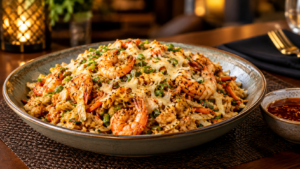
Few dishes capture the lively spirit of Sri Lankan street food quite like kottu roti. The rhythmic sound of metal blades chopping roti on a hot griddle is familiar to many people across the island. From small roadside eateries to modern restaurants, kottu has earned its place as a much-loved comfort food.
Among its many variations, Prawn Cheese Kottu brings together the savoury flavours of seafood, chopped roti and melted cheese. The prawns add a distinctive seafood taste, while the cheese creates a creamy, rich finish that makes this version especially appealing to people who enjoy hearty meals.
Whether you order it for dinner, share it with friends or discover it on a restaurant menu for the first time, Prawn Cheese Kottu offers an interesting combination of Sri Lankan cooking and indulgent cheesy goodness.
What Is Prawn Cheese Kottu?
Prawn Cheese Kottu is a variation of Sri Lankan kottu roti made with prawns and cheese. Like other versions of kottu, it typically starts with godamba roti, a thin, soft flatbread that is chopped into small pieces and cooked on a hot griddle with other ingredients.
The exact recipe depends on the restaurant or cook. Common ingredients may include prawns, vegetables, eggs, onions, leeks, chillies, curry leaves, spices and a flavourful sauce or gravy. Cheese is added to give the dish its rich, savoury character.
As the ingredients cook together, the roti absorbs some of the seasonings, while the prawns contribute their seafood flavour. The cheese may melt through the mixture or sit in soft, stretchy layers, depending on the type used and when it is added.
Some restaurants prepare a relatively mild version, while others add plenty of chilli and spices. This means that Prawn Cheese Kottu can taste different from one place to another, making each restaurant’s version worth exploring.
What Makes Prawn Cheese Kottu Special?
The appeal of this dish comes from the way its ingredients work together. Each component contributes a different texture or flavour.
- The Flavour of Prawns
Prawns give the kottu a distinctive seafood character. When cooked properly, they are tender, juicy and naturally savoury.
Their flavour works well with onions, garlic, curry leaves, chillies and other seasonings commonly used in Sri Lankan cooking. The prawns also add variety to the familiar combination of chopped roti and vegetables.
The size and quantity of prawns can vary. Some servings may contain several visible prawns, while others mix smaller pieces throughout the roti.
- The Richness of Melted Cheese
Cheese changes both the flavour and texture of ordinary kottu. Depending on the variety, it can add creaminess, saltiness and a rich dairy flavour.
Mozzarella is often chosen when a stretchy, melted texture is desired. Other cheeses may provide a sharper or saltier taste. Some restaurants use a cheese sauce or a blend of cheeses instead.
When combined with prawns and seasoned roti, the cheese softens the sharper flavours and creates a more indulgent dish.
- Chopped Godamba Roti
Godamba roti is central to the familiar kottu experience. Its thin, flexible texture allows it to be chopped into small pieces and mixed with other ingredients on the griddle.
As the roti cooks with vegetables, seasoning and sauces, it absorbs flavour without losing all of its texture. The result is a satisfying mixture that can be eaten with a fork or spoon.
- Vegetables and Seasonings
Onions, carrots, leeks, cabbage and green chillies are among the ingredients that may appear in kottu. Their combination depends on the recipe.
Vegetables add texture and flavour, while curry leaves, garlic, pepper and other seasonings can provide the familiar savoury aroma associated with Sri Lankan kottu.
The balance matters. Too much cheese may overwhelm the seafood, while too much seasoning can make the prawns less noticeable. A well-prepared version allows the main ingredients to complement one another.
How Is Prawn Cheese Kottu Prepared?
Although restaurant methods vary, Prawn Cheese Kottu generally follows the basic process used to make kottu roti.
- Preparing the Ingredients
The prawns are cleaned and prepared before cooking. The roti is cut into manageable pieces, and the vegetables are sliced or chopped. Seasonings, sauces and cheese are kept ready so the cooking process can move smoothly.
Fresh or properly stored prawns are important for both flavour and food safety. They should be cooked thoroughly without being left on the heat for so long that they become tough.
- Cooking the Prawns and Vegetables
The cook heats a griddle or suitable cooking surface and prepares the prawns with seasonings. Vegetables may be cooked alongside them or added in stages, depending on the recipe.
Onions, garlic, curry leaves and chillies can build the savoury base. Some versions also include egg, gravy or a restaurant-specific sauce.
The cooking order can influence the final texture, particularly because prawns generally need less cooking time than many other ingredients.
- Adding and Chopping the Roti
The chopped godamba roti is added to the mixture and worked together with the other ingredients. On a traditional kottu griddle, cooks use metal blades to chop and combine everything as it cooks.
This process helps distribute the seasonings throughout the roti rather than leaving them concentrated in one place.
- Finishing with Cheese
Cheese is added according to the recipe, often toward the end so it can melt without becoming overly dry or separated.
The finished dish should have a satisfying combination of soft roti, tender prawns, vegetables and melted cheese. It may be served immediately while hot, when the cheese is at its most appealing texture.
What Does Prawn Cheese Kottu Taste Like?
Prawn Cheese Kottu brings together several different flavour experiences in one dish.
The prawns contribute a savoury seafood taste, while the cheese provides richness and a creamy or stretchy texture. The roti carries the seasoning, and the vegetables add freshness and a little crunch when they are not cooked too soft.
Chillies, black pepper and other spices can give the dish a noticeable kick. In a milder version, the seafood and cheese flavours may be more prominent.
The overall taste depends on the recipe, so it is worth asking about the spice level when ordering if you prefer a milder meal.
For people who enjoy seafood and cheese separately, this combination offers a different way to experience both in a familiar Sri Lankan dish.
What Goes Well with Prawn Cheese Kottu?
Prawn Cheese Kottu is often filling enough to enjoy on its own. However, accompaniments can change the experience.
- Spicy Gravy
A side of curry gravy can add moisture and a deeper savoury flavour. Depending on the restaurant, it may be served separately or mixed into the kottu.
If the dish already contains plenty of cheese, a lighter amount of gravy can help maintain a balanced texture.
- Chilli Sauce
For those who enjoy extra heat, a suitable chilli sauce can provide a sharper contrast to the rich cheese. It is best added according to personal preference so it does not overpower the flavour of the prawns.
- A Fresh Drink
A refreshing drink can complement a hearty, savoury meal. Water, fresh lime drinks or other non-alcoholic options may be suitable choices, particularly when the kottu is spicy.
Because cheese and cooking oil can make the dish feel rich, some people may prefer a simple drink rather than another heavy accompaniment.
Is Prawn Cheese Kottu a Filling Meal?
Prawn Cheese Kottu is generally a substantial dish because it combines roti, prawns, cheese and often vegetables or eggs.
However, its nutritional content depends on portion size, the amount of cheese and oil used, the quantity of prawns, and any additional sauces. It is not possible to determine the exact calorie or protein content from the dish name alone.
Prawns provide protein and several nutrients, while cheese contributes protein, fat and calcium. Roti supplies carbohydrates, and vegetables can add fibre and micronutrients.
The final nutritional balance depends on the preparation. A restaurant version with generous cheese and oil may be considerably richer than a homemade version prepared with smaller amounts.
For anyone with a shellfish allergy, prawns should be avoided. It is also worth checking with the restaurant about ingredients and possible cross-contact if food allergies are a concern.
Prawn Cheese Kottu in Sri Lanka’s Food Culture
Kottu is more than a convenient meal. For many Sri Lankans, it is associated with busy evenings, roadside food stalls, restaurant visits and casual meals shared with family or friends.
The sound of kottu being prepared is part of the experience. Watching a cook combine roti, vegetables, meat or seafood and seasonings on a hot griddle can make the dish feel just as memorable as eating it.
Over time, kottu menus have expanded to include a wide range of combinations. Chicken, beef, seafood, egg and cheese variations give diners different choices while retaining the chopped-roti foundation.
Prawn Cheese Kottu fits naturally into this variety. It brings a seafood option to the menu and adds cheese for people who enjoy a richer take on the classic.
The recipe is not identical everywhere. Some restaurants may use more prawns, others may favour extra cheese, and some may create a spicier sauce. Exploring different versions can be part of the fun.
How to Choose a Good Prawn Cheese Kottu
If you are ordering Prawn Cheese Kottu, a few simple details can help you choose a version that suits your taste.
- Look for well-cooked prawns: They should be cooked through and tender rather than rubbery.
- Check the cheese style: Ask whether the restaurant uses mozzarella, another cheese or a cheese sauce if the texture matters to you.
- Choose your spice level: Some recipes are quite hot, while others focus more on the seafood and cheese.
- Consider the portion size: The combination of roti and cheese can make the dish filling.
- Ask about ingredients: If you have allergies or dietary requirements, check whether the dish includes egg, particular sauces or other ingredients.
A good Prawn Cheese Kottu should bring its ingredients together rather than allowing one flavour to dominate every bite.
Final Thoughts
Prawn Cheese Kottu is a satisfying variation of Sri Lanka’s much-loved kottu roti. Tender prawns, chopped godamba roti, vegetables and melted cheese come together to create a dish that is savoury, rich and full of texture.
Its exact flavour depends on the restaurant’s recipe, from the spice level to the quantity of cheese and seafood. Whether you enjoy a fiery version or one with a gentler flavour, it offers an appealing choice for anyone who loves both Sri Lankan street food and seafood.
Next time you are exploring a kottu menu, consider giving Prawn Cheese Kottu a try. You might discover a new favourite among the many creative variations of this familiar dish.
Looking for delicious prawn cheese kottu and more culinary discoveries? Explore Lankaura, Sri Lanka’s food discovery platform…!
