

Sicilian Beef
Categories
Categories
- Afghan Cuisine(1)
- American Cuisine(141)
- Australian Cuisine(6)
- Austrian Cuisine(2)
- Belgian Cuisine(1)
- Brazilian Cuisine(3)
- British Cuisine(35)
- Cakes in Sri Lanka(47)
- Canadian Cuisine(1)
- Chinese Cuisine(85)
- Cocktails in Sri Lanka(18)
- Cuban Cuisine(17)
- Dutch Cuisine(1)
- Egyptian Cuisine(3)
- Filipino Cuisine(3)
- French Cuisine(23)
- German Cuisine(9)
- Greek Cuisine(16)
- Hong Kong Cuisine(1)
- Indian Cuisine(79)
- Indonesian Cuisine(15)
- Innovative Sri Lankan Flavours(5)
- Iranian Cuisine(5)
- Irish Cuisine(2)
- Italian Cuisine(112)
- Japanese Cuisine(13)
- Kazakastani Cuisine(1)
- Korean Cuisine(0)
- Malaysian Cuisine(12)
- Mexican Cuisine(13)
- Modern Culinary Trends(40)
- Moroccan Cuisine(2)
- Omani Cuisine(1)
- Russian Cuisine(2)
- Saudi Arabian Cuisine(1)
- Senegalese Cuisine(1)
- Singapore Cuisine(1)
- Spanish Cuisine(7)
- Sri Lankan Authentic Beverages(37)
- Sri Lankan Authentic Curries(66)
- Sri Lankan Authentic Desserts(6)
- Sri Lankan Authentic Food(78)
- Sri Lankan Authentic Seafood(18)
- Sri Lankan Authentic Snacks(20)
- Sri Lankan Authentic Sweets(20)
- Swiss Cuisine(3)
- Taiwanese Cuisine(9)
- Thai Cuisine(21)
- Turkish Cuisine(11)
- Yemeni Cuisine(2)
Sicilian Beef – Exploring the Bold Flavours of Sicily
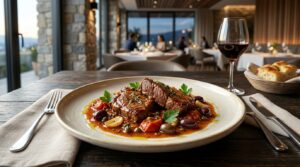
Sicilian cuisine is known for its vibrant ingredients, Mediterranean influences, and love of bold yet balanced flavours. From ripe tomatoes and fragrant herbs to olives, capers, and olive oil, the island’s cooking reflects a rich culinary history. Beef dishes prepared in a Sicilian style bring some of these characteristics to the table, combining hearty meat with ingredients that add depth, freshness, and aroma.
There is no single recipe called Sicilian beef. The name can describe different preparations inspired by the cooking traditions of Sicily, from slow-braised beef with tomatoes and herbs to pan-cooked meat served with Mediterranean-style sauces. What connects these dishes is the emphasis on flavourful ingredients rather than one fixed method.
What Is Sicilian Beef?
Sicilian beef generally refers to beef prepared using ingredients and flavour combinations associated with Sicilian cooking. Depending on the recipe, the beef may be braised slowly, cooked in a tomato-based sauce, or pan-seared and served with a savoury Mediterranean accompaniment.
Tomatoes, garlic, onions, olive oil, oregano, basil, olives, and capers are ingredients often found in Sicilian-inspired dishes. Some recipes also include red wine, chilli, or other herbs and seasonings.
The final flavour depends on the ingredients and cooking technique. A slow-cooked version may have a rich sauce and tender meat, while a pan-cooked version can have a browned exterior and a more concentrated flavour.
The Sicilian Influence on the Dish
Sicily, the largest island in the Mediterranean Sea, has a distinctive food culture shaped by centuries of contact with different civilisations and culinary traditions. Its cuisine makes use of local produce, seafood, herbs, citrus fruits, olive oil, and a variety of meats.
Although seafood is particularly prominent in many coastal areas, meat dishes also have a place in Sicilian cooking. Beef preparations can draw on the island’s characteristic combinations of tomatoes, aromatics, olives, and herbs.
It is important to remember that Sicilian cuisine varies between towns, households, and regions. A dish prepared in one kitchen may differ considerably from another while still drawing inspiration from the same culinary traditions.
Ingredients That Bring Sicilian Beef to Life
The ingredients used in Sicilian-style beef help create its characteristic Mediterranean flavour.
- Beef – The cut depends on the cooking method. Tougher cuts can work well in slow-braised dishes because extended cooking helps soften the connective tissue. More tender cuts may be suitable for quicker cooking.
- Tomatoes – Fresh tomatoes or canned tomatoes can provide acidity, colour, and body to a sauce. As they cook, their flavour becomes deeper and more concentrated.
- Garlic and onions – These aromatic ingredients establish a savoury foundation and complement the natural flavour of the beef.
- Olive oil – Common in Mediterranean cooking, olive oil helps carry the flavours of herbs and aromatics.
- Olives and capers – These ingredients can introduce salty, briny notes that contrast with the richness of the meat. They are not included in every version.
- Herbs and seasoning – Oregano, basil, parsley, black pepper, and other seasonings may be used depending on the recipe. Some versions also include chilli for extra warmth.
Together, these ingredients can create a dish that tastes rich and savoury while retaining the freshness associated with Mediterranean cooking.
How Is Sicilian Beef Prepared?
The preparation varies according to the recipe, but a slow-braised version provides a useful example of how these flavours can come together.
The beef may first be browned in a hot pan to develop colour and savoury flavour. The meat is then set aside while onions and garlic are gently cooked in olive oil. Tomatoes, herbs, and selected seasonings are added to create the base of the sauce.
The browned beef is returned to the pan, and a suitable amount of stock or other liquid may be added. The dish is then cooked gently until the meat becomes tender. Olives or capers can be added according to the recipe, bringing a distinctive salty and tangy contrast.
Other Sicilian-inspired preparations may use thinner cuts of beef, a shorter cooking time, or a sauce served alongside the meat rather than simmered with it.
The important factor is choosing a cooking method that suits the cut of beef. Slow cooking works well for suitable tougher cuts, while tender cuts can become dry if cooked for too long.
What Does Sicilian Beef Taste Like?
Sicilian beef can offer a combination of deep savoury flavour, tomato acidity, fragrant herbs, and the richness of properly cooked meat. When olives or capers are included, they can provide an additional salty and tangy dimension.
Slow-braised versions tend to have a more integrated sauce, with the beef absorbing flavour as it cooks. Quicker preparations may have a more pronounced browned-meat flavour, particularly when paired with a sauce made separately.
The balance between the ingredients matters. Too much salt from olives or capers can overwhelm the other flavours, while a well-balanced preparation allows the beef, herbs, and sauce to complement one another.
Because there is no single standard recipe, the precise flavour varies from one preparation to another.
What Is Served with Sicilian Beef?
Sicilian-style beef can be served with a variety of side dishes, depending on how it is prepared.
Roasted potatoes are a popular choice for a hearty meal, while mashed potatoes can complement beef served with a rich sauce. Bread is useful for enjoying tomato-based sauces, and rice can provide a simple accompaniment in restaurants that adapt Mediterranean dishes to local preferences.
For a more distinctly Italian-inspired presentation, the beef may be served with pasta, grilled vegetables, or a fresh salad. Vegetables such as courgettes, aubergines, and peppers can complement the Mediterranean flavours.
The best accompaniment depends on the sauce and cooking method. A rich braise may suit a simple side, while a quicker preparation can be paired with vegetables or a lighter salad.
Sicilian Beef in Modern Restaurant Dining
Modern restaurants may interpret Sicilian-style beef in different ways. Some focus on traditional Mediterranean ingredients and slow-cooking techniques, while others create contemporary presentations using carefully selected cuts and refined sauces.
A restaurant’s version might feature tender beef in a tomato and herb sauce, or a seared steak accompanied by olives, capers, and Mediterranean vegetables. These dishes may be inspired by Sicilian flavours without representing one definitive traditional recipe.
For diners, exploring different interpretations can be part of the enjoyment. Paying attention to the ingredients listed on the menu can help you understand whether a dish is tomato-based, herb-forward, slow-cooked, or prepared with a more concentrated sauce.
Exploring Sicilian Beef in Sri Lanka
Sri Lankan diners interested in international cuisine may encounter Sicilian-inspired beef on Italian or Mediterranean-style menus. Restaurants can adapt these dishes according to ingredient availability, their cooking style, and local preferences.
The most interesting versions often focus on the relationship between the meat and its accompaniments. Tomatoes can add brightness, herbs contribute aroma, and olives or capers may introduce a distinctive savoury contrast.
If you enjoy beef dishes but want to explore something beyond a conventional steak, Sicilian-style preparations offer another way to experience the versatility of beef through Mediterranean-inspired flavours.
Final Thoughts
Sicilian beef celebrates the combination of hearty meat and vibrant Mediterranean ingredients. Although the name does not refer to one fixed recipe, Sicilian-inspired preparations can feature tomatoes, garlic, olive oil, herbs, olives, and capers to create a distinctive flavour profile.
From slow-braised beef with a rich sauce to tender meat served with Mediterranean accompaniments, the dish offers plenty of room for variation. Its appeal lies in choosing ingredients that complement the beef while allowing each flavour to contribute to the overall experience.
Looking for delicious Sicilian beef and more culinary discoveries? Explore more Lankaura.
