
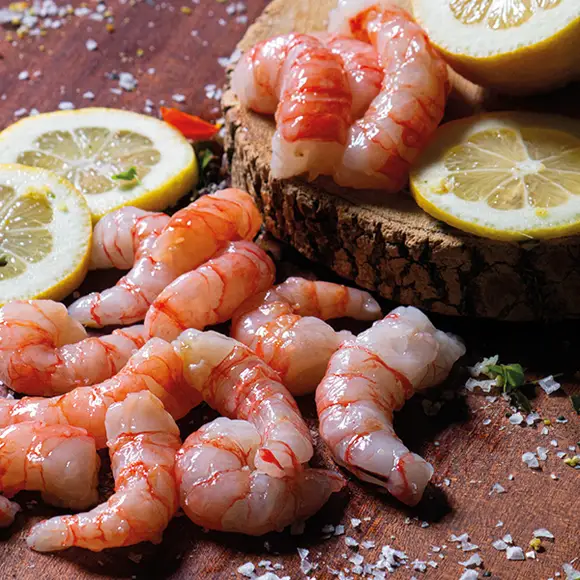
Sicilian Prawn
Categories
Categories
- Afghan Cuisine(1)
- American Cuisine(141)
- Australian Cuisine(6)
- Austrian Cuisine(2)
- Belgian Cuisine(1)
- Brazilian Cuisine(3)
- British Cuisine(35)
- Cakes in Sri Lanka(47)
- Canadian Cuisine(1)
- Chinese Cuisine(85)
- Cocktails in Sri Lanka(18)
- Cuban Cuisine(17)
- Dutch Cuisine(1)
- Egyptian Cuisine(3)
- Filipino Cuisine(3)
- French Cuisine(23)
- German Cuisine(9)
- Greek Cuisine(16)
- Hong Kong Cuisine(1)
- Indian Cuisine(79)
- Indonesian Cuisine(15)
- Innovative Sri Lankan Flavours(5)
- Iranian Cuisine(5)
- Irish Cuisine(2)
- Italian Cuisine(112)
- Japanese Cuisine(13)
- Kazakastani Cuisine(1)
- Korean Cuisine(0)
- Malaysian Cuisine(12)
- Mexican Cuisine(13)
- Modern Culinary Trends(40)
- Moroccan Cuisine(2)
- Omani Cuisine(1)
- Russian Cuisine(2)
- Saudi Arabian Cuisine(1)
- Senegalese Cuisine(1)
- Singapore Cuisine(1)
- Spanish Cuisine(7)
- Sri Lankan Authentic Beverages(37)
- Sri Lankan Authentic Curries(66)
- Sri Lankan Authentic Desserts(6)
- Sri Lankan Authentic Food(78)
- Sri Lankan Authentic Seafood(18)
- Sri Lankan Authentic Snacks(20)
- Sri Lankan Authentic Sweets(20)
- Swiss Cuisine(3)
- Taiwanese Cuisine(9)
- Thai Cuisine(21)
- Turkish Cuisine(11)
- Yemeni Cuisine(2)
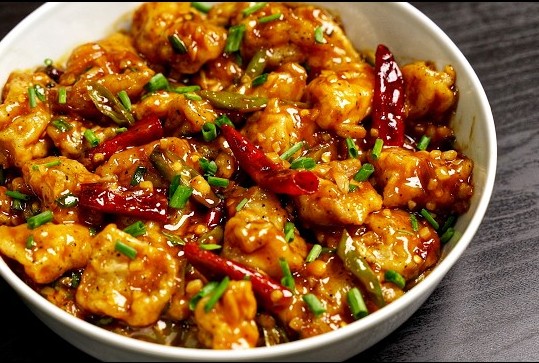
Sicilian Prawn – Mediterranean Flavours from the Sea

Prawns are loved for their delicate sweetness, tender texture, and ability to absorb the flavours of the ingredients they are cooked with. In Sicilian-inspired cooking, these qualities pair beautifully with Mediterranean staples such as garlic, olive oil, tomatoes, lemon, and fresh herbs.
Sicilian prawn dishes draw inspiration from the food traditions of Sicily, the Italian island surrounded by the Mediterranean Sea. Depending on the preparation, prawns may be pan-cooked with garlic and herbs, simmered in a tomato-based sauce, or served with pasta and other Mediterranean ingredients.
There is no single recipe that defines Sicilian prawn. Instead, different preparations showcase the combination of seafood and vibrant regional flavours, creating dishes that can be simple, aromatic, and full of character.
What Is Sicilian Prawn?
Sicilian prawn refers broadly to prawn dishes prepared in a Sicilian style or inspired by the island’s culinary traditions. The prawns may be served on their own with a flavourful sauce, combined with vegetables, or incorporated into a pasta dish.
Garlic, olive oil, tomatoes, lemon, and herbs are common ingredients in Mediterranean-inspired seafood preparations. Some versions may also feature olives, capers, chilli, or white wine, depending on the recipe.
The aim is to complement the prawns rather than overpower their natural flavour. Their delicate sweetness works particularly well with aromatic garlic, fresh citrus, and the savoury richness of olive oil.
Different recipes can produce different results. A tomato-based preparation may be rich and savoury, while a lemon-and-garlic version may taste brighter and lighter.
Sicily’s Relationship with Seafood
Sicily’s location in the Mediterranean has played an important role in shaping its food culture. Seafood features prominently in many coastal dishes, with fish, shellfish, and other marine ingredients appearing in a wide variety of preparations.
The island’s cuisine also makes use of vegetables, citrus fruits, olive oil, herbs, and tomatoes. These ingredients complement seafood without necessarily requiring complicated sauces or heavy seasoning.
Prawns can fit naturally into this style of cooking because they cook relatively quickly and work well with simple flavour combinations. Garlic adds aroma, lemon provides freshness, and herbs bring fragrance to the finished dish.
However, Sicilian seafood cooking is diverse. Not every prawn dish contains the same ingredients, and individual preparations can vary between locations, restaurants, and households.
Ingredients That Bring Sicilian Prawns to Life
A Sicilian-inspired prawn dish can be made with a handful of carefully chosen ingredients.
- Prawns – The main ingredient, prized for its delicate sweetness and tender texture. Size and preparation can influence the cooking time and presentation.
- Garlic – Garlic provides a fragrant, savoury foundation and pairs particularly well with seafood.
- Olive oil – Olive oil helps cook the aromatics and carries their flavours throughout the dish.
- Tomatoes – Fresh or canned tomatoes can create a savoury sauce with colour and balanced acidity.
- Lemon – Lemon juice or zest can brighten the flavour and complement the natural sweetness of prawns.
- Fresh herbs – Parsley, oregano, or basil may be used according to the recipe, adding freshness and aroma.
- Chilli – Some versions include chilli for a gentle heat that contrasts with the prawns’ sweetness.
- Olives and capers – These ingredients can add salty, briny notes in certain preparations, although they are not essential to every version.
The ingredients should work together in balance. Too much seasoning or sauce can hide the delicate taste of the prawns, while a carefully prepared combination allows the seafood to remain the star.
How Is Sicilian Prawn Prepared?
One approach is to pan-cook the prawns with garlic and olive oil. The garlic is gently heated to release its aroma, taking care not to burn it. The prawns are then added and cooked until they become opaque and reach a safe internal temperature.
Lemon juice, fresh herbs, and selected seasonings may be added near the end to keep their flavours fresh. This preparation is relatively quick and allows the prawns’ natural taste to remain prominent.
Another version uses a tomato-based sauce. Onions and garlic are softened in olive oil before tomatoes and seasonings are added. The sauce is allowed to cook until its flavours develop, and the prawns are added towards the end so they do not become overcooked.
Sicilian-inspired prawns may also be served with pasta. In this case, the sauce can be prepared separately before being combined with the cooked prawns and pasta.
The cooking time is particularly important. Prawns can become rubbery if exposed to heat for too long, so they should be cooked just until opaque and properly done.
What Does Sicilian Prawn Taste Like?
Sicilian prawn dishes often combine the natural sweetness of seafood with the savoury character of garlic and olive oil.
A tomato-based version can have a rich, slightly tangy flavour, while a lemon-and-herb preparation may taste lighter and fresher. Chilli can introduce warmth, and olives or capers can provide a salty contrast in recipes that include them.
Texture is just as important as flavour. Properly cooked prawns should be tender and firm rather than tough or rubbery.
The overall result depends on the recipe, but the guiding principle is balance. Mediterranean ingredients should enhance the prawns without overwhelming their delicate character.
What Is Served with Sicilian Prawn?
Sicilian-inspired prawns can be served in several ways, depending on the sauce and the style of the meal.
Pasta is a natural accompaniment, particularly when the prawns are prepared with garlic, tomatoes, olive oil, or herbs. Long pasta varieties can carry a light sauce, while other shapes can work well with thicker preparations.
Crusty bread is another option, especially for dishes served with a flavourful tomato or garlic sauce. It can be used to enjoy the remaining sauce without wasting its flavour.
Roasted or grilled vegetables offer a lighter accompaniment. Courgettes, peppers, and aubergines can complement the Mediterranean ingredients, while a fresh salad brings a crisp contrast.
Rice can also be served, particularly in restaurants that adapt international dishes to local dining preferences.
The ideal side dish depends on how the prawns are prepared. A saucy dish may pair well with bread or pasta, while a lighter preparation can be served alongside vegetables or salad.
Sicilian Prawn in Modern Restaurant Dining
Restaurants may interpret Sicilian-inspired prawns in different ways. Some keep the preparation simple, using garlic, olive oil, lemon, and herbs. Others feature prawns in tomato-based sauces or combine them with pasta and Mediterranean vegetables.
The presentation can vary from a rustic seafood dish served in a shallow bowl to a carefully plated restaurant meal with fresh herbs and a neatly arranged accompaniment.
For diners, the ingredients listed on a menu can help set expectations. Garlic and lemon suggest a bright, aromatic flavour, while tomatoes, olives, and capers may indicate a deeper, more savoury preparation.
Exploring these variations offers an opportunity to experience how a single seafood ingredient can take on different flavours depending on the cooking method and accompanying ingredients.
Exploring Sicilian Prawn in Sri Lanka
Sri Lanka’s relationship with seafood makes prawns a familiar ingredient in many local meals. Sicilian-inspired preparations offer another way to enjoy them by using Mediterranean ingredients and cooking techniques.
Restaurants serving Italian or international cuisine may offer prawns with garlic, tomatoes, herbs, or pasta. The exact preparation depends on the restaurant, its ingredients, and its interpretation of Mediterranean cooking.
For Sri Lankan diners who enjoy prawns, these dishes can provide a different flavour experience from traditional local preparations. The combination of olive oil, garlic, lemon, and herbs creates a distinctive profile while allowing the prawns to remain central to the dish.
When choosing a prawn dish, consider whether you prefer a light garlic-and-lemon preparation, a rich tomato sauce, or a pasta-based meal. Each offers a different way to enjoy the ingredient.
Final Thoughts
Sicilian prawn celebrates the combination of delicate seafood and the vibrant ingredients associated with Mediterranean cooking. Garlic, olive oil, tomatoes, lemon, and fresh herbs can all contribute to its flavour, while optional ingredients such as chilli, olives, and capers provide additional variation.
Whether pan-cooked, served in a tomato sauce, or combined with pasta, the dish demonstrates how a few complementary ingredients can create a satisfying meal. Careful cooking is essential to preserve the prawns’ tender texture and natural sweetness.
For seafood lovers interested in exploring international cuisine, Sicilian-inspired prawn dishes offer a delicious way to discover Mediterranean flavours.
Looking for delicious Sicilian prawn and more culinary discoveries? Explore more Lankaura.