
Sicilian Seafood
Categories
Categories
- Afghan Cuisine(1)
- American Cuisine(141)
- Australian Cuisine(6)
- Austrian Cuisine(2)
- Belgian Cuisine(1)
- Brazilian Cuisine(3)
- British Cuisine(35)
- Cakes in Sri Lanka(47)
- Canadian Cuisine(1)
- Chinese Cuisine(85)
- Cocktails in Sri Lanka(18)
- Cuban Cuisine(17)
- Dutch Cuisine(1)
- Egyptian Cuisine(3)
- Filipino Cuisine(3)
- French Cuisine(23)
- German Cuisine(9)
- Greek Cuisine(16)
- Hong Kong Cuisine(1)
- Indian Cuisine(79)
- Indonesian Cuisine(15)
- Innovative Sri Lankan Flavours(5)
- Iranian Cuisine(5)
- Irish Cuisine(2)
- Italian Cuisine(112)
- Japanese Cuisine(13)
- Kazakastani Cuisine(1)
- Korean Cuisine(0)
- Malaysian Cuisine(12)
- Mexican Cuisine(13)
- Modern Culinary Trends(40)
- Moroccan Cuisine(2)
- Omani Cuisine(1)
- Russian Cuisine(2)
- Saudi Arabian Cuisine(1)
- Senegalese Cuisine(1)
- Singapore Cuisine(1)
- Spanish Cuisine(7)
- Sri Lankan Authentic Beverages(37)
- Sri Lankan Authentic Curries(66)
- Sri Lankan Authentic Desserts(6)
- Sri Lankan Authentic Food(78)
- Sri Lankan Authentic Seafood(18)
- Sri Lankan Authentic Snacks(20)
- Sri Lankan Authentic Sweets(20)
- Swiss Cuisine(3)
- Taiwanese Cuisine(9)
- Thai Cuisine(21)
- Turkish Cuisine(11)
- Yemeni Cuisine(2)
Sicilian Seafood- Discover the Flavours of the Mediterranean

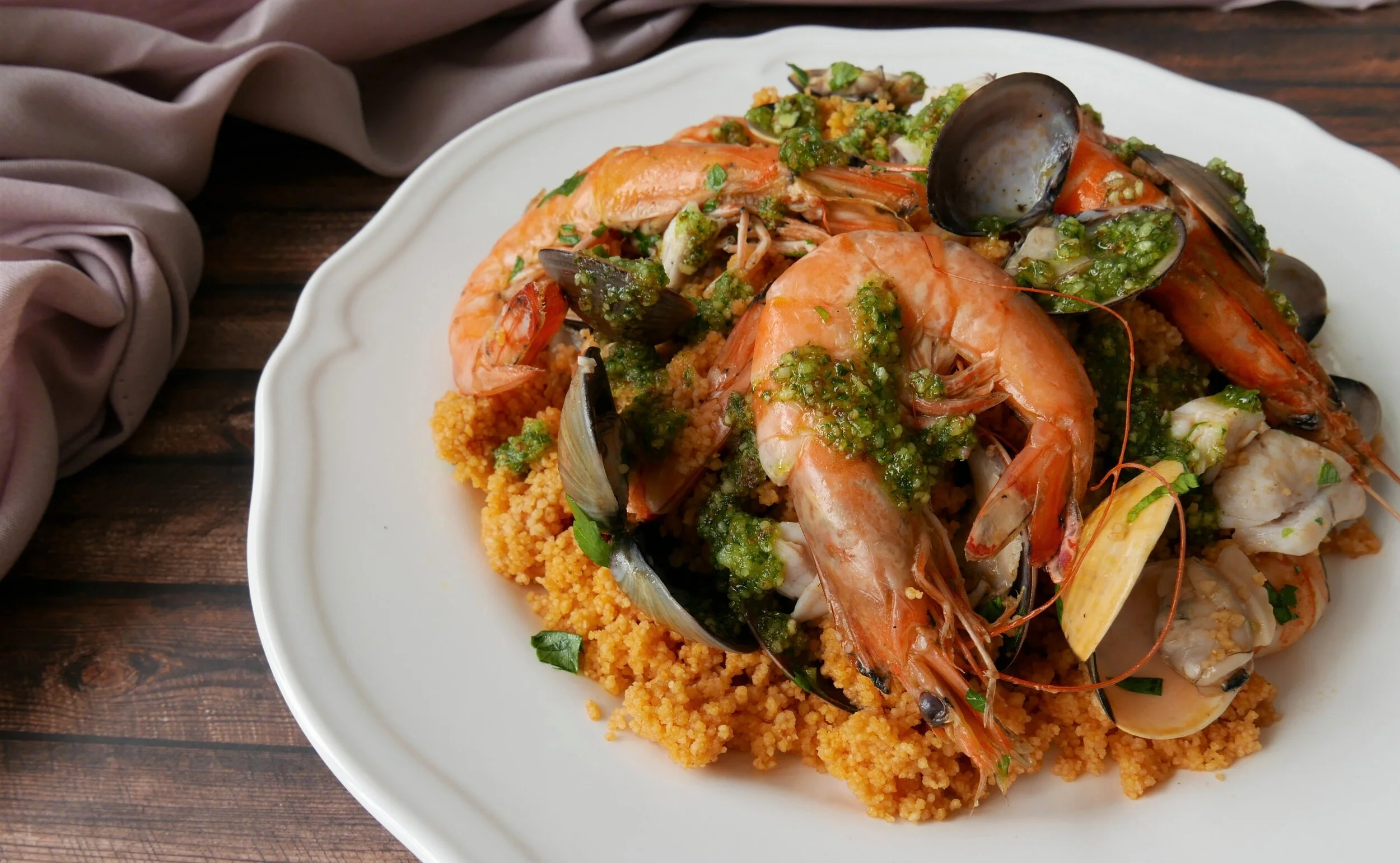
Fresh seafood, fragrant garlic, ripe tomatoes, and aromatic herbs come together in many dishes inspired by the cooking traditions of Sicily. Surrounded by the Mediterranean Sea, Sicily has a rich food culture in which seafood plays an important role, particularly in coastal communities.
Sicilian seafood is not just one specific dish. The name can describe a variety of seafood preparations inspired by the island’s culinary traditions, from prawns and mussels cooked in a tomato-based sauce to grilled fish finished with olive oil, lemon, and fresh herbs.
What makes these dishes interesting is the way different ingredients complement the natural flavours of seafood. Rather than relying on complicated combinations, many Mediterranean-style preparations allow the seafood itself to remain the star.
What Is Sicilian Seafood?
Sicilian seafood refers broadly to seafood dishes prepared using ingredients, techniques, or flavour combinations associated with Sicilian cuisine.
Depending on the preparation, the main ingredients might include prawns, mussels, squid, clams, or fish. Some dishes combine several varieties of seafood, while others focus on one main ingredient.
Tomatoes, garlic, olive oil, parsley, oregano, chilli, and lemon may be used to create different flavour profiles. Olives and capers can also appear in certain recipes, adding a salty, savoury character.
Some preparations feature seafood simmered in a tomato-based sauce, while others involve grilling or pan-searing the seafood and serving it with a lighter dressing.
Because Sicilian cuisine varies between locations and individual kitchens, there is no single recipe that represents every Sicilian seafood dish.
The Sicilian Connection to Seafood
Sicily’s location in the Mediterranean has influenced its food culture for centuries. Fishing traditions, coastal markets, seasonal ingredients, and regional cooking methods have all contributed to the island’s seafood dishes.
Fish and shellfish are used in many different ways, depending on the locality and the ingredients available. Some preparations are simple, highlighting the natural flavour of freshly cooked seafood, while others combine seafood with tomatoes, pasta, vegetables, or aromatic sauces.
Sicilian cooking has also been influenced by centuries of cultural exchange. This history contributes to the variety found across the island’s cuisine, including the use of sweet, sour, salty, and savoury elements.
The result is a broad collection of dishes rather than one standard seafood recipe.
Ingredients That Bring Sicilian Seafood to Life
The ingredients used in Sicilian-inspired seafood preparations depend on the recipe, but several Mediterranean staples are particularly suitable.
- Seafood – Prawns, mussels, squid, clams, and fish can each contribute different flavours and textures. Some recipes combine several varieties for a more diverse seafood experience.
- Tomatoes – Fresh tomatoes or canned tomatoes can provide colour, acidity, and depth. They are especially useful in preparations where seafood is simmered in a sauce.
- Garlic – Garlic adds a fragrant savoury flavour that complements many kinds of seafood.
- Olive oil – Olive oil is commonly used to cook aromatics, prepare marinades, or finish a dish.
- Fresh herbs – Parsley and oregano can contribute freshness and fragrance, while other herbs may be selected according to the recipe.
- Lemon – Lemon juice or zest can brighten the flavours and provide a refreshing contrast to the natural richness of certain seafood.
- Olives and capers – These ingredients may introduce briny, salty notes that complement tomato-based or Mediterranean-style preparations.
Not every dish uses all these ingredients. The most suitable combination depends on the seafood and the desired result.
How Is Sicilian Seafood Prepared?
One approach is to cook seafood in a tomato-based sauce. Garlic is gently cooked in olive oil, followed by tomatoes and selected herbs or seasonings. The sauce is allowed to develop its flavour before the seafood is added.
Different types of seafood require different cooking times. Prawns generally cook relatively quickly, while squid can become tender when cooked appropriately. Mussels and clams need to be cooked until their shells open, with unopened shellfish discarded after cooking.
Another approach is grilling. Fish or larger seafood pieces can be seasoned with olive oil, herbs, and lemon before being cooked over suitable heat. This method can create a lightly browned surface while allowing the seafood’s natural flavour to remain prominent.
Pan-searing is also suitable for certain seafood varieties. The aim is to develop colour without overcooking the delicate flesh.
The key is to match the cooking method to the seafood. Careful timing helps preserve tenderness and prevents the finished dish from becoming dry or rubbery.
What Does Sicilian Seafood Taste Like?
The flavour depends on the ingredients and cooking method.
Seafood cooked with tomatoes often has a savoury, slightly tangy character, with garlic and herbs providing additional depth. Olives and capers can contribute a briny flavour, while chilli may add a gentle or noticeable level of heat.
Grilled seafood usually has a simpler flavour profile. Olive oil, lemon, and herbs can highlight the natural taste of the fish or shellfish without covering it with a heavy sauce.
Texture is equally important. Prawns can provide a firm, delicate bite, mussels have a distinctive tender texture, and squid can be pleasantly soft when cooked correctly.
A well-prepared dish balances these elements so that the seasoning enhances the seafood rather than overpowering it.
Popular Ways to Enjoy Sicilian Seafood
Sicilian seafood can appear in several forms.
- Seafood in tomato sauce – Prawns, mussels, or other seafood can be simmered in a savoury tomato sauce with garlic and herbs. This preparation can be served on its own or alongside bread or pasta.
- Grilled seafood – Fish and suitable shellfish can be grilled with olive oil, lemon, and herbs for a lighter preparation.
- Seafood pasta – Seafood may be combined with pasta and a sauce made from tomatoes, garlic, olive oil, or other Mediterranean ingredients.
- Mixed seafood dishes – Different seafood varieties can be combined in one preparation, creating a variety of textures and flavours.
These examples demonstrate the versatility of Sicilian-inspired seafood without suggesting that every version follows the same recipe.
What Is Served with Sicilian Seafood?
The accompanying dishes depend on the seafood preparation and the style of the meal.
Crusty bread is a useful choice when the seafood is served with a flavourful tomato sauce. Pasta can turn the seafood into a more substantial main course, while roasted potatoes or grilled vegetables may complement grilled fish and shellfish.
A fresh salad can provide crispness and balance, especially when the main dish contains a rich sauce. Lemon wedges are also a common accompaniment, allowing diners to add extra brightness according to their preference.
In a restaurant, presentation can range from a rustic seafood dish served in a shallow bowl to a carefully plated meal with vegetables, herbs, and a light sauce.
The aim is to choose accompaniments that complement the seafood without distracting from its flavour.
Sicilian Seafood in Modern Restaurant Dining
Modern restaurants interpret Sicilian-inspired seafood in different ways. Some focus on traditional Mediterranean ingredients and straightforward cooking methods, while others introduce contemporary presentation or combine seafood with pasta and carefully prepared sauces.
A menu might feature grilled fish with lemon and herbs, prawns cooked with garlic and tomatoes, or a mixed seafood preparation accompanied by vegetables.
When exploring a seafood dish, it is worth looking at the ingredients and preparation described on the menu. A tomato-based sauce will generally offer a different experience from grilled seafood with olive oil and citrus.
These variations make Sicilian-inspired seafood appealing to diners who enjoy discovering different flavours while appreciating the natural qualities of fish and shellfish.
Exploring Sicilian Seafood in Sri Lanka
Sri Lanka’s coastal communities have a strong relationship with seafood, making fish and shellfish familiar ingredients in local food culture. Sicilian-inspired preparations offer another way to explore seafood through Mediterranean ingredients and cooking techniques.
Restaurants serving Italian or international cuisine may present seafood with garlic, tomatoes, herbs, olive oil, or lemon. The seafood varieties and accompanying ingredients can differ according to availability and the restaurant’s style.
For Sri Lankan food lovers interested in international cuisine, exploring these preparations can reveal how the same main ingredient can produce very different dining experiences depending on the cooking method and seasoning.
When ordering seafood, freshness, proper cooking, and awareness of any ingredient allergies remain important considerations.
Final Thoughts
Sicilian seafood celebrates the combination of seafood and Mediterranean flavours. From tomato-based sauces with garlic and herbs to grilled preparations finished with lemon and olive oil, there are many ways to explore this style of cooking.
Although the name does not describe one fixed recipe, its inspiration comes from a food culture shaped by the Mediterranean and its regional ingredients. The best preparations allow the seafood to remain the focus while using seasoning and accompaniments to enhance its natural flavour.
Looking for delicious Sicilian seafood and more culinary discoveries? Explore more Lankaura.