
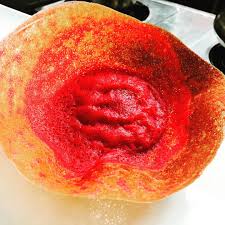
Beetroot Hoppers
Categories
Categories
- Afghan Cuisine(1)
- American Cuisine(141)
- Australian Cuisine(6)
- Austrian Cuisine(2)
- Belgian Cuisine(1)
- Brazilian Cuisine(3)
- British Cuisine(35)
- Cakes in Sri Lanka(47)
- Canadian Cuisine(1)
- Chinese Cuisine(85)
- Cocktails in Sri Lanka(18)
- Cuban Cuisine(17)
- Dutch Cuisine(1)
- Egyptian Cuisine(3)
- Filipino Cuisine(3)
- French Cuisine(23)
- German Cuisine(9)
- Greek Cuisine(16)
- Hong Kong Cuisine(1)
- Indian Cuisine(79)
- Indonesian Cuisine(15)
- Innovative Sri Lankan Flavours(5)
- Iranian Cuisine(5)
- Irish Cuisine(2)
- Italian Cuisine(112)
- Japanese Cuisine(13)
- Kazakastani Cuisine(1)
- Korean Cuisine(0)
- Malaysian Cuisine(12)
- Mexican Cuisine(13)
- Modern Culinary Trends(40)
- Moroccan Cuisine(2)
- Omani Cuisine(1)
- Russian Cuisine(2)
- Saudi Arabian Cuisine(1)
- Senegalese Cuisine(1)
- Singapore Cuisine(1)
- Spanish Cuisine(7)
- Sri Lankan Authentic Beverages(37)
- Sri Lankan Authentic Curries(66)
- Sri Lankan Authentic Desserts(6)
- Sri Lankan Authentic Food(78)
- Sri Lankan Authentic Seafood(18)
- Sri Lankan Authentic Snacks(20)
- Sri Lankan Authentic Sweets(20)
- Swiss Cuisine(3)
- Taiwanese Cuisine(9)
- Thai Cuisine(21)
- Turkish Cuisine(11)
- Yemeni Cuisine(2)

Beetroot Hoppers – A Colourful Twist on a Sri Lankan Favourite

Sri Lankan hoppers are loved for their delicate bowl shape, crispy edges and soft centre. They are a familiar sight at breakfast tables, dinner gatherings and local food stalls. But what happens when this much-loved dish gets a colourful twist? Beetroot hoppers bring a vibrant pinkish-purple shade to the traditional hopper, creating an eye-catching variation that can make an ordinary meal feel a little more special.
Beetroot is known for its naturally deep colour and earthy, slightly sweet flavour. When incorporated into a hopper preparation, it can give the dish a distinctive appearance while adding a new flavour dimension. For anyone who enjoys exploring creative versions of familiar foods, beetroot hoppers are worth discovering.
What Are Beetroot Hoppers?
Beetroot hoppers are a variation of Sri Lankan hoppers made with beetroot incorporated into the batter or preparation. Their exact colour and flavour depend on how much beetroot is used and how it is prepared.
Traditional Sri Lankan hoppers are generally made from a fermented rice-based batter, often prepared with coconut milk. They are cooked in a small, deep, bowl-shaped pan that helps create the characteristic shape: thin, crisp edges surrounding a thicker, softer centre.
For beetroot hoppers, beetroot may be finely grated, blended into a puree or otherwise prepared before being mixed into the batter. The method can vary from one recipe to another. The natural pigment in beetroot gives the hoppers their distinctive colour, although the final shade may change during cooking.
The result is a colourful interpretation of a familiar Sri Lankan dish that can be served for breakfast, dinner or as part of a larger meal.
Why Use Beetroot in Hoppers?
Beetroot is a versatile vegetable used in many Sri Lankan and international dishes. Its natural colour makes it especially interesting in recipes where appearance is part of the experience.
- A Naturally Vibrant Colour
One of the first things people notice about beetroot hoppers is their colour. Depending on the recipe, they may appear pink, reddish-purple or deep magenta. This makes them an attractive choice for family meals, food photography and special occasions.
Unlike artificial colouring, beetroot can provide this effect naturally. However, the final colour depends on the beetroot variety, quantity, preparation method and cooking conditions.
- A Mild Earthy Flavour
Beetroot has a characteristic earthy sweetness. When used in a hopper batter, it can introduce a subtle vegetable flavour that complements the mild taste of rice and coconut milk.
The flavour does not have to overpower the dish. A balanced recipe allows the beetroot to contribute both colour and taste while retaining the familiar qualities of a hopper.
- An Interesting Way to Explore Vegetables
Beetroot hoppers can offer a creative way to include a vegetable in a familiar meal. They may appeal to people who enjoy experimenting with ingredients or presenting everyday foods differently.
However, adding beetroot does not automatically make a dish nutritionally complete. The overall nutritional value depends on the ingredients, cooking method and foods served alongside it.
How Are Beetroot Hoppers Prepared?
Although recipes differ, the general process follows the principles of making hoppers, with beetroot added to the preparation.
- Preparing the Beetroot
Fresh beetroot can be washed, peeled and finely grated or blended into a puree. A smooth puree may distribute the colour more evenly through the batter, while grated beetroot can create a different texture.
The amount of beetroot used matters. Too little may produce only a faint colour, while a larger quantity can create a stronger vegetable flavour and may affect the consistency of the batter.
- Preparing the Batter
A hopper batter commonly uses rice flour or another rice-based preparation, with coconut milk and other ingredients depending on the recipe. Traditional versions often involve fermentation, which contributes to the flavour and texture.
The prepared beetroot is incorporated into the batter. Because beetroot adds moisture, the quantity of liquid may need adjustment to achieve a consistency suitable for spreading around the inside of the hopper pan.
Fermentation time and ingredients vary by recipe, so the batter should be prepared according to the method being followed rather than relying on one universal formula.
- Cooking the Hoppers
The batter is poured into a heated hopper pan. The pan is then rotated so the batter coats the sides, leaving a thicker layer at the bottom.
As the hopper cooks, the edges become thin and crisp while the centre remains softer. A lid is often used to help cook the upper portion.
Beetroot hoppers should be handled carefully because their colour can make it harder to judge browning by appearance alone. The texture and doneness are important indicators that the hopper is ready.
What Can You Serve with Beetroot Hoppers?
Hoppers are versatile, and their accompaniments can change the entire meal. Beetroot hoppers can be served with familiar Sri Lankan sides or with simpler accompaniments that allow their colour and flavour to stand out.
- Pol Sambol
Pol sambol is a popular companion for hoppers. Made primarily with grated coconut and seasonings, it can provide a savoury, spicy contrast to the mild sweetness of beetroot.
The combination brings together the soft centre of the hopper, its crisp edges and the fresh texture of coconut.
- Lunu Miris
For those who enjoy a stronger chilli flavour, lunu miris is another option. Its sharp, spicy character contrasts with the gentle earthiness of beetroot.
The amount served can be adjusted to suit individual preferences.
- Curry
Beetroot hoppers can also be enjoyed with a suitable curry. A vegetable curry, dhal curry or another favourite accompaniment can turn them into a more substantial meal.
The best pairing depends on how strongly the beetroot flavour comes through in the recipe. Mild accompaniments may let the vegetable stand out, while richly flavoured curries offer a more complex combination.
- Egg or Other Toppings
Some people enjoy hoppers with eggs or additional savoury ingredients. Whether these are suitable depends on the particular recipe and the way the hoppers are prepared.
Beetroot hoppers do not have to be served in only one way. Their versatility allows home cooks and food businesses to experiment with different combinations.
Are Beetroot Hoppers Different from Ordinary Hoppers?
The most obvious difference is their colour. Traditional plain hoppers are usually pale, with golden or lightly browned edges. Beetroot hoppers can take on shades of pink, red or purple.
Their flavour may also differ. Plain hoppers have a mild rice-and-coconut character, while beetroot versions can have an earthy, gently sweet note.
Texture is another important consideration. When the batter is prepared correctly and cooked in a suitable pan, beetroot hoppers can still have the familiar contrast between crisp edges and a soft centre. However, the final texture depends on the recipe and the amount of beetroot added.
It is worth remembering that beetroot hoppers are a variation rather than a single standardised dish. Different cooks may use different ingredients and techniques, so two versions may look or taste slightly different.
Can You Make Beetroot Hoppers at Home?
Yes. Home cooks can experiment with beetroot hoppers using a familiar hopper-making method and adjusting the recipe to accommodate the beetroot.
A few practical points can help:
- Start with a moderate amount of beetroot and adjust it to achieve the desired colour and flavour.
- If using beetroot puree, account for the extra moisture when preparing the batter.
- Allow fermented batter the time required by the chosen recipe.
- Preheat the hopper pan appropriately so the batter cooks evenly.
- Rotate the pan carefully to create thin edges and a thicker centre.
- Serve the hoppers soon after cooking if you want to enjoy their crisp edges.
The first attempt may not produce the exact colour or shape you imagined, and that is part of experimenting with a new recipe. Small adjustments to the batter and cooking method can help you find a version you enjoy.
Beetroot Hoppers in Sri Lanka’s Food Scene
Sri Lankan food has a rich variety of traditional dishes, and familiar recipes often inspire new interpretations. Beetroot hoppers are one example of how a well-known preparation can be adapted with a colourful ingredient.
Their striking appearance makes them suitable for creative menus, food photography and people who enjoy trying something different. For cafés, restaurants and home-based food businesses, colourful variations can also provide opportunities to explore new presentations—provided the dish is prepared well and its flavour remains the priority.
Still, the appeal of beetroot hoppers is not only about their appearance. A well-made hopper should deliver the qualities people enjoy in the original: a pleasing texture, balanced flavour and satisfying accompaniments.
Whether you discover them at a food outlet or prepare them in your own kitchen, beetroot hoppers offer a fresh way to experience a familiar Sri Lankan favourite.
Final Thoughts
Beetroot hoppers bring colour and creativity to the traditional Sri Lankan hopper. With their distinctive appearance, mild earthy flavour and potential for different accompaniments, they offer an interesting variation for anyone who enjoys exploring food.
From pol sambol and lunu miris to curry and other savoury sides, there are plenty of ways to enjoy them. The exact recipe may differ from one kitchen to another, but the idea remains simple: take a much-loved dish and give it a new character with a natural ingredient.
Sometimes, a small change is all it takes to make a familiar meal feel new again.
Looking for delicious beetroot hoppers and more culinary discoveries? Explore more Lankaura.