

Kurakkan Thalapa
Categories
Categories
- Afghan Cuisine(1)
- American Cuisine(141)
- Australian Cuisine(6)
- Austrian Cuisine(2)
- Belgian Cuisine(1)
- Brazilian Cuisine(3)
- British Cuisine(35)
- Cakes in Sri Lanka(47)
- Canadian Cuisine(1)
- Chinese Cuisine(85)
- Cocktails in Sri Lanka(18)
- Cuban Cuisine(17)
- Dutch Cuisine(1)
- Egyptian Cuisine(3)
- Filipino Cuisine(3)
- French Cuisine(23)
- German Cuisine(9)
- Greek Cuisine(16)
- Hong Kong Cuisine(1)
- Indian Cuisine(79)
- Indonesian Cuisine(15)
- Innovative Sri Lankan Flavours(5)
- Iranian Cuisine(5)
- Irish Cuisine(2)
- Italian Cuisine(112)
- Japanese Cuisine(13)
- Kazakastani Cuisine(1)
- Korean Cuisine(0)
- Malaysian Cuisine(12)
- Mexican Cuisine(13)
- Modern Culinary Trends(40)
- Moroccan Cuisine(2)
- Omani Cuisine(1)
- Russian Cuisine(2)
- Saudi Arabian Cuisine(1)
- Senegalese Cuisine(1)
- Singapore Cuisine(1)
- Spanish Cuisine(7)
- Sri Lankan Authentic Beverages(37)
- Sri Lankan Authentic Curries(66)
- Sri Lankan Authentic Desserts(6)
- Sri Lankan Authentic Food(78)
- Sri Lankan Authentic Seafood(18)
- Sri Lankan Authentic Snacks(20)
- Sri Lankan Authentic Sweets(20)
- Swiss Cuisine(3)
- Taiwanese Cuisine(9)
- Thai Cuisine(21)
- Turkish Cuisine(11)
- Yemeni Cuisine(2)
Kurakkan Thalapa- A Traditional Sri Lankan Finger Millet Dish
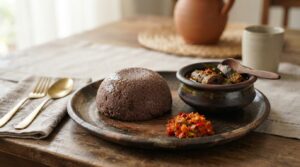
Kurakkan thalapa is a traditional Sri Lankan food made using kurakkan flour, also known as finger millet flour. Recognised for its firm texture, earthy flavour, and simple preparation, this dish has a place in Sri Lankan food traditions, particularly in communities where kurakkan has long been used as a staple ingredient.
Often prepared by mixing kurakkan flour with hot water and a little salt, thalapa becomes a thick dough that can be shaped and cooked according to household methods. It is commonly enjoyed with spicy lunu miris, katta sambol, fish curry, or other flavourful accompaniments.
Kurakkan thalapa represents the simplicity of traditional Sri Lankan cooking, where locally familiar ingredients are transformed into filling everyday meals. Its distinctive taste and texture make it an interesting dish for anyone exploring the island’s traditional food culture.
What Is Kurakkan Thalapa?
Kurakkan thalapa is a traditional dish prepared primarily from kurakkan flour. Kurakkan, or finger millet, is a grain used in different Sri Lankan foods, including porridge, roti, pittu, and other flour-based preparations.
To make thalapa, kurakkan flour is mixed with hot water and salt to form a thick, workable mixture. The dough is then cooked until it holds together and develops its characteristic firm texture. Recipes and cooking methods can differ between households and regions.
Unlike soft bread or fluffy rice, thalapa is dense and satisfying. Its earthy flavour pairs especially well with spicy accompaniments, making it suitable for people who enjoy traditional Sri Lankan meals with bold flavours.
Why Is Kurakkan Important in Sri Lankan Food Culture?
Kurakkan has a long history in Sri Lankan food traditions. It has been used in rural households and traditional cooking for generations, particularly in preparations that rely on locally available grains and straightforward cooking methods.
Several qualities make kurakkan a valued ingredient:
-
Distinctive flavour: Kurakkan has an earthy, slightly nutty taste.
-
Versatility: It can be used to prepare thalapa, roti, porridge, and other dishes.
-
Traditional significance: It remains associated with familiar home-cooked foods and regional food practices.
-
Filling meals: Kurakkan-based dishes can form part of a satisfying meal when served with suitable accompaniments.
Finger millet also contains dietary fibre and minerals, although its nutritional composition depends on the product and preparation method. Like other grains, it can contribute to a varied diet when combined with other foods.
How Is Kurakkan Thalapa Prepared?
Kurakkan thalapa is made with a small number of basic ingredients. Although the exact method can vary, the goal is to create a thick mixture that cooks into a firm, cohesive dish.
Preparing the Ingredients
The main ingredient is kurakkan flour. Water and a little salt are commonly used to bring the flour together.
Some household recipes may include additional ingredients, but the traditional preparation is valued for its simplicity. Having the ingredients ready before mixing helps make the process easier.
Mixing the Dough
Hot water is gradually added to the flour while mixing. The amount of water required depends on the flour and the desired consistency.
The mixture is worked until it forms a thick dough. Care is needed when handling hot water, and the dough should be allowed to cool enough to handle safely before shaping.
Shaping and Cooking
The dough is shaped according to the chosen household method and cooked until it holds together. The exact shape, thickness, and cooking technique may differ across recipes.
When properly prepared, kurakkan thalapa has a firm texture that makes it easy to serve with curries and sambols. Because kurakkan flour behaves differently from wheat flour, the texture is usually denser rather than elastic or bread-like.
What Does Kurakkan Thalapa Taste Like?
Kurakkan thalapa has a distinctive earthy flavour that sets it apart from dishes made with white rice or wheat flour. Its taste is relatively mild, allowing spicy accompaniments to stand out.
The texture is generally dense and firm, making the dish satisfying when eaten alongside curry or sambol. Some people enjoy the grain’s natural flavour, while others prefer to pair it with strongly seasoned foods that balance its earthiness.
The final texture depends on the flour, amount of water, thickness of the dough, and cooking method. These small differences help give household preparations their own character.
Popular Accompaniments for Kurakkan Thalapa
Kurakkan thalapa is often served with savoury dishes that add moisture, spice, and contrasting flavours.
Lunu Miris
Lunu miris is a spicy Sri Lankan accompaniment commonly made with chilli, onion, salt, and lime. Its heat and tanginess provide a strong contrast to the earthy flavour of kurakkan thalapa.
For those who enjoy spicy food, this combination offers a simple way to experience traditional flavours without needing an elaborate meal.
Katta Sambol
Katta sambol is another spicy accompaniment that pairs well with traditional staples. Its bold chilli flavour can bring extra intensity to the firm texture of thalapa.
The level of heat varies depending on the recipe, so it can be adjusted to suit personal preference.
Fish Curry
Sri Lankan fish curry is a flavourful option for serving with kurakkan thalapa. The seasoned gravy adds moisture, while ingredients such as chilli, curry leaves, and other spices complement the grain’s earthy taste.
The combination makes a satisfying meal for those who enjoy traditional rice-and-curry-style flavours with a different staple.
Coconut Sambol
Coconut sambol offers a balance of coconut richness, chilli, and sourness. Its texture contrasts with the dense consistency of thalapa, creating a varied and enjoyable meal.
This pairing is also useful for people who prefer a plant-based accompaniment.
Vegetable Curry
A vegetable curry can add colour, flavour, and variety to a meal built around kurakkan thalapa. Depending on the ingredients available, it may be prepared with vegetables such as pumpkin, beans, or other seasonal produce.
A moist curry is particularly suitable because it complements the firm texture of the thalapa.
When Do People Enjoy Kurakkan Thalapa?
Kurakkan thalapa can be enjoyed as part of a main meal, especially when served with curry or sambol. It is suitable for lunch or dinner and may be prepared whenever a household wants a traditional alternative to rice or wheat-based foods.
For a simple meal, thalapa can be paired with lunu miris or katta sambol. For a more substantial serving, fish curry or vegetable curry can be added.
The dish is also a useful example of how traditional Sri Lankan meals are often built around a staple food and one or more flavourful accompaniments. The staple provides the base, while the accompanying dishes contribute spice, moisture, and variety.
Tips for Preparing Kurakkan Thalapa
A few practical points can help when making kurakkan thalapa at home.
-
Add water gradually: Different brands and batches of kurakkan flour may absorb different amounts of water.
-
Mix carefully: Work the flour and water together until the mixture forms a cohesive dough.
-
Handle hot water safely: Allow the dough to cool sufficiently before shaping it by hand.
-
Avoid making the mixture too wet: Excess water can make it difficult to shape and cook consistently.
-
Pair it with a moist accompaniment: Curry or sambol can complement the dense texture.
-
Adjust the seasoning: A little salt can enhance the flavour without overpowering the natural taste of kurakkan.
As recipes vary, following a familiar household method can be helpful when aiming for a preferred texture.
Kurakkan Thalapa and Sri Lankan Food Heritage
Sri Lankan food traditions include a wide variety of dishes made from grains, roots, vegetables, and locally familiar ingredients. Kurakkan has an important place in this wider culinary landscape, appearing in both savoury and sweet preparations.
Kurakkan thalapa reflects a practical style of cooking in which a staple ingredient is prepared with simple techniques and served alongside foods that bring flavour and variety. The combination of kurakkan with spicy sambol or curry demonstrates how contrasting textures and tastes can turn basic ingredients into a satisfying meal.
For anyone interested in traditional Sri Lankan cuisine, kurakkan thalapa offers an opportunity to discover a grain that remains part of the island’s diverse food culture.
Final Thoughts
Kurakkan thalapa is a traditional Sri Lankan dish known for its earthy flavour, firm texture, and simple preparation. Made primarily with finger millet flour, it can be enjoyed with lunu miris, katta sambol, fish curry, coconut sambol, or vegetable curry.
Whether you already enjoy kurakkan-based foods or are discovering them for the first time, thalapa is a distinctive dish worth exploring as part of Sri Lanka’s rich culinary heritage.
Looking for delicious Sri Lankan food and more culinary discoveries? Explore Lankaura, Sri Lanka’s food discovery platform…!
Follow Lankaura on Facebook, Instagram and TikTok.
