

Kurakkan Roti
Categories
Categories
- Afghan Cuisine(1)
- American Cuisine(141)
- Australian Cuisine(6)
- Austrian Cuisine(2)
- Belgian Cuisine(1)
- Brazilian Cuisine(3)
- British Cuisine(35)
- Cakes in Sri Lanka(47)
- Canadian Cuisine(1)
- Chinese Cuisine(85)
- Cocktails in Sri Lanka(18)
- Cuban Cuisine(17)
- Dutch Cuisine(1)
- Egyptian Cuisine(3)
- Filipino Cuisine(3)
- French Cuisine(23)
- German Cuisine(9)
- Greek Cuisine(16)
- Hong Kong Cuisine(1)
- Indian Cuisine(79)
- Indonesian Cuisine(15)
- Innovative Sri Lankan Flavours(5)
- Iranian Cuisine(5)
- Irish Cuisine(2)
- Italian Cuisine(112)
- Japanese Cuisine(13)
- Kazakastani Cuisine(1)
- Korean Cuisine(0)
- Malaysian Cuisine(12)
- Mexican Cuisine(13)
- Modern Culinary Trends(40)
- Moroccan Cuisine(2)
- Omani Cuisine(1)
- Russian Cuisine(2)
- Saudi Arabian Cuisine(1)
- Senegalese Cuisine(1)
- Singapore Cuisine(1)
- Spanish Cuisine(7)
- Sri Lankan Authentic Beverages(37)
- Sri Lankan Authentic Curries(66)
- Sri Lankan Authentic Desserts(6)
- Sri Lankan Authentic Food(78)
- Sri Lankan Authentic Seafood(18)
- Sri Lankan Authentic Snacks(20)
- Sri Lankan Authentic Sweets(20)
- Swiss Cuisine(3)
- Taiwanese Cuisine(9)
- Thai Cuisine(21)
- Turkish Cuisine(11)
- Yemeni Cuisine(2)
Kurakkan Roti- A Traditional Sri Lankan Finger Millet Flatbread
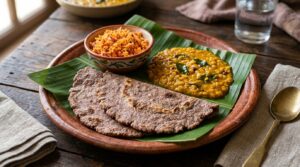
Kurakkan roti is a traditional Sri Lankan flatbread made using kurakkan flour, also known as finger millet flour. Recognised for its earthy flavour, rustic appearance, and hearty texture, this simple flatbread is enjoyed in Sri Lankan homes as part of breakfast, lunch, or dinner. It is often served with pol sambol, lunu miris, dhal curry, or other spicy accompaniments.
Kurakkan has a long-standing place in Sri Lankan food traditions, particularly in dishes prepared with locally familiar grains and flour. From kurakkan roti to kurakkan pittu and kurakkan thalapa, this ingredient is used in a variety of traditional preparations.
What makes kurakkan roti special is its simplicity. With a few basic ingredients and a straightforward cooking method, it can be prepared into a satisfying meal that brings together the distinctive taste of finger millet and the bold flavours of Sri Lankan accompaniments.
What Is Kurakkan Roti?
Kurakkan roti is a flatbread prepared primarily with kurakkan flour. Unlike wheat-based roti, it has a characteristic earthy taste and a darker, reddish-brown colour. Its texture can range from soft and pliable to firm and slightly crumbly, depending on the recipe and how the dough is prepared.
Many home recipes combine kurakkan flour with water and salt. Some include grated coconut, while others use additional ingredients to adjust the texture and flavour. The dough is shaped into flat rounds and cooked on a hot pan or griddle until done.
Because kurakkan flour behaves differently from wheat flour, the dough may not have the same elasticity as ordinary wheat roti. The result is a distinctive flatbread with its own texture and flavour, making it a familiar choice for people who enjoy traditional Sri Lankan food.
Why Is Kurakkan Roti Popular in Sri Lanka?
Kurakkan roti remains a valued part of Sri Lankan food culture because it uses a traditional grain in a simple, practical way. It can be prepared at home without complicated equipment and paired with ingredients commonly used in Sri Lankan cooking.
Here are a few reasons people enjoy it:
-
Distinctive flavour: Kurakkan flour gives the roti an earthy taste that differs from wheat-based flatbreads.
-
Simple preparation: Basic recipes require only a few ingredients and a hot cooking surface.
-
Versatile serving options: It can be paired with sambol, curry, or other savoury dishes.
-
Traditional appeal: Kurakkan is used in several familiar Sri Lankan dishes passed down through home cooking.
-
Different textures: Recipes can be adjusted to produce softer or firmer roti, depending on preference.
For many households, kurakkan roti is not just an alternative to ordinary bread. It is a way of enjoying a traditional ingredient in a meal that can be adapted to different tastes.
How Is Kurakkan Roti Prepared?
Kurakkan roti is generally made by combining kurakkan flour with water and other ingredients to create a dough that can be shaped and cooked on a flat pan.
Preparing the Dough
Kurakkan flour is placed in a bowl and mixed with salt. Water is added gradually while mixing until the ingredients form a workable dough.
Some Sri Lankan recipes include grated coconut, which adds texture and a gentle coconut flavour. The amount of water required depends on the flour and the other ingredients used.
Since kurakkan flour does not develop the same stretchy gluten structure as wheat flour, the dough may feel more delicate. Mixing it until it holds together makes it easier to shape without excessive cracking.
Shaping the Roti
A small portion of dough is taken and flattened into a round shape. This can be done by hand, using lightly dampened fingers or a suitable clean surface.
The thickness depends on personal preference and the recipe. Thinner roti may cook more quickly, while thicker rounds need additional time to cook through.
Cooking on a Hot Pan
The shaped dough is placed on a heated flat pan or griddle. It is cooked on one side before being turned to cook the other side.
The roti should develop light brown spots and become cooked through without burning. Cooking time varies according to thickness and heat.
Once ready, the kurakkan roti can be served warm with a favourite Sri Lankan accompaniment.
Delicious Ways to Enjoy Kurakkan Roti
One of the best things about kurakkan roti is how well its earthy flavour pairs with spicy, savoury, and coconut-based dishes.
Kurakkan Roti with Pol Sambol
Pol sambol is a classic Sri Lankan accompaniment made with grated coconut, chilli, onion, and lime or another souring ingredient.
Its fresh, spicy, and tangy flavour complements the earthy taste of kurakkan roti. The combination is simple yet full of character, making it a popular style of serving for people who enjoy traditional Sri Lankan flavours.
Kurakkan Roti with Lunu Miris
For those who prefer a stronger chilli flavour, lunu miris is another excellent choice. This spicy condiment commonly combines chilli and onion with seasoning and a souring ingredient.
The bold taste of lunu miris contrasts with the mild, grain-like flavour of kurakkan roti. Even a simple serving can become a flavourful meal with this accompaniment.
Kurakkan Roti with Dhal Curry
Dhal curry offers a softer, more comforting pairing. Prepared with lentils and seasoned with ingredients such as turmeric, onion, curry leaves, and spices, it provides moisture and a savoury flavour.
The roti can be broken into pieces and eaten with the curry, making it a satisfying option for breakfast, lunch, or dinner.
Kurakkan Roti with Coconut Sambol and Curry
A combination of kurakkan roti, coconut sambol, and a vegetable or lentil curry offers different flavours and textures in one meal.
The sambol adds freshness and spice, while the curry brings richness and moisture. This combination is particularly suitable for those who enjoy a traditional home-cooked Sri Lankan meal.
Kurakkan Roti with a Cup of Tea
Kurakkan roti can also be enjoyed as a simple snack, depending on how it is prepared. A freshly cooked piece with a hot cup of tea offers a straightforward way to enjoy this traditional flatbread between meals.
Some households prefer a softer version, while others enjoy a firmer texture. The choice depends on the recipe and personal taste.
What Makes Kurakkan Different from Wheat Flour?
Kurakkan and wheat flour come from different grains and behave differently during cooking.
Kurakkan flour is made from finger millet and has a characteristic earthy flavour and darker colour. Wheat flour is commonly used for many types of bread and roti and can develop an elastic dough when mixed with water because of its gluten-forming proteins.
This difference affects the final texture. Wheat roti can often be rolled into thin rounds with a more flexible dough, while kurakkan roti tends to be less elastic and may require gentler shaping.
Neither needs to be prepared in exactly the same way. The best results come from using a recipe suited to the flour being used.
Tips for Making Better Kurakkan Roti at Home
A few practical tips can help make kurakkan roti easier to prepare and more enjoyable to eat.
-
Add water gradually: This helps prevent the dough from becoming too wet or sticky.
-
Mix thoroughly: Make sure the flour and other ingredients are evenly combined.
-
Shape gently: Kurakkan dough can crack more easily than wheat dough, so avoid stretching it excessively.
-
Adjust the thickness: Make the roti thinner or thicker according to the texture you prefer.
-
Control the heat: A moderately hot pan helps the roti cook without burning on the outside.
-
Serve fresh: Kurakkan roti is often most enjoyable when served warm with sambol or curry.
If the dough feels too dry to hold together, a little more water may help. If it becomes too wet, adding a small amount of flour can make shaping easier. Small adjustments may be necessary because different brands and batches of flour absorb water differently.
Kurakkan Roti and Sri Lankan Food Culture
Sri Lankan cuisine includes a variety of traditional foods prepared using grains, flour, coconut, and other locally familiar ingredients. Kurakkan features in several dishes, including roti, pittu, and thalapa, each with its own preparation method and texture.
Kurakkan roti reflects the practicality of traditional home cooking. It transforms a simple flour into a flatbread that can be served with different accompaniments, making it adaptable to the ingredients available in a household.
Its popularity also highlights the diversity of Sri Lankan food beyond rice and curry. While rice is a major part of everyday meals, traditional flatbreads and other grain-based dishes offer additional ways to experience the country’s culinary heritage.
For visitors exploring Sri Lankan cuisine, trying kurakkan roti with pol sambol or a local curry can provide an introduction to a distinctive traditional food.
Final Thoughts
Kurakkan roti is a traditional Sri Lankan flatbread appreciated for its earthy flavour, simple preparation, and versatility. Whether paired with spicy pol sambol, lunu miris, or a comforting dhal curry, it offers a delicious way to enjoy the familiar flavours of Sri Lankan home cooking.
Looking for delicious Sri Lankan food and more culinary discoveries? Explore Lankaura, Sri Lanka’s food discovery platform…!
