

Kurakkan Pittu (Finger Millet Pittu)
Categories
Categories
- Afghan Cuisine(1)
- American Cuisine(141)
- Australian Cuisine(6)
- Austrian Cuisine(2)
- Belgian Cuisine(1)
- Brazilian Cuisine(3)
- British Cuisine(35)
- Cakes in Sri Lanka(47)
- Canadian Cuisine(1)
- Chinese Cuisine(85)
- Cocktails in Sri Lanka(18)
- Cuban Cuisine(17)
- Dutch Cuisine(1)
- Egyptian Cuisine(3)
- Filipino Cuisine(3)
- French Cuisine(23)
- German Cuisine(9)
- Greek Cuisine(16)
- Hong Kong Cuisine(1)
- Indian Cuisine(79)
- Indonesian Cuisine(15)
- Innovative Sri Lankan Flavours(5)
- Iranian Cuisine(5)
- Irish Cuisine(2)
- Italian Cuisine(112)
- Japanese Cuisine(13)
- Kazakastani Cuisine(1)
- Korean Cuisine(0)
- Malaysian Cuisine(12)
- Mexican Cuisine(13)
- Modern Culinary Trends(40)
- Moroccan Cuisine(2)
- Omani Cuisine(1)
- Russian Cuisine(2)
- Saudi Arabian Cuisine(1)
- Senegalese Cuisine(1)
- Singapore Cuisine(1)
- Spanish Cuisine(7)
- Sri Lankan Authentic Beverages(37)
- Sri Lankan Authentic Curries(66)
- Sri Lankan Authentic Desserts(6)
- Sri Lankan Authentic Food(78)
- Sri Lankan Authentic Seafood(18)
- Sri Lankan Authentic Snacks(20)
- Sri Lankan Authentic Sweets(20)
- Swiss Cuisine(3)
- Taiwanese Cuisine(9)
- Thai Cuisine(21)
- Turkish Cuisine(11)
- Yemeni Cuisine(2)
Kurakkan Pittu (Finger Millet Pittu)- A Traditional Sri Lankan Favourite
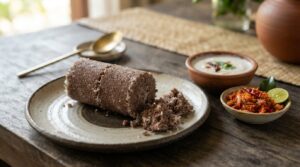
Kurakkan pittu is a traditional Sri Lankan food made using kurakkan flour, also known as finger millet flour, and coconut. With its soft, crumbly texture and distinctive earthy flavour, this dish is enjoyed by people who appreciate traditional Sri Lankan meals and locally familiar ingredients.
Pittu is a well-known part of Sri Lankan food culture, commonly prepared with rice flour or other types of flour and freshly grated coconut. Kurakkan pittu offers a variation made with finger millet, giving it a darker colour and a characteristic flavour. It is usually steamed and served warm with coconut milk, lunu miris, katta sambol, or a suitable curry.
Whether enjoyed for breakfast or as part of a main meal, kurakkan pittu brings together simple ingredients and traditional cooking methods in a satisfying dish.
What Is Kurakkan Pittu?
Kurakkan pittu is a steamed dish prepared primarily with kurakkan flour and grated coconut. Kurakkan is the Sinhala name commonly used for finger millet, a small-grained cereal cultivated in parts of South Asia and other regions.
The flour is mixed with water and coconut to create a moist, crumbly mixture. Rather than forming a smooth dough, the mixture is kept loose enough to produce pittu’s characteristic texture after steaming.
The mixture is placed in a pittu steamer or another suitable steaming vessel and cooked until it holds together while remaining soft and crumbly. The finished pittu is usually released from the steamer and served in portions.
Compared with rice-flour pittu, kurakkan pittu has a distinct flavour and colour. Its earthy taste pairs well with the creamy richness of coconut milk and the heat of Sri Lankan sambols and curries.
What Makes Kurakkan Pittu Special?
Kurakkan pittu is appreciated for its traditional preparation, distinctive taste, and use of finger millet flour. It offers a different experience from pittu made entirely with rice flour while retaining the familiar steamed texture associated with this dish.
Some of its appealing features include:
-
Distinctive flavour: Kurakkan flour gives the pittu an earthy, characteristic taste.
-
Soft, crumbly texture: Proper steaming helps create pittu that is moist without becoming overly wet or dense.
-
Traditional ingredients: Kurakkan flour and grated coconut are central to many preparations.
-
Versatile serving options: It can be enjoyed with sweet or savoury accompaniments, depending on personal preference.
-
A familiar Sri Lankan food: Pittu is enjoyed in many households, with recipes and ingredients varying by region and family.
The final texture depends on the flour, the amount of water used, the coconut mixture, and the steaming method. These small differences can influence the result from one kitchen to another.
How Is Kurakkan Pittu Prepared?
Kurakkan pittu is made through a straightforward process involving flour preparation, mixing, and steaming.
Preparing the Ingredients
The main ingredients are kurakkan flour, grated coconut, water, and salt. Some recipes may use additional ingredients or adjust the proportions to achieve a preferred taste and texture.
The flour is placed in a bowl, and salt is mixed through it. Water is then added gradually while the flour is rubbed or mixed by hand to create small, moist crumbs.
The goal is to moisten the flour without turning it into a smooth, sticky dough. Grated coconut is incorporated to add flavour and help create the familiar texture of pittu.
Getting the Right Texture
The consistency of the mixture is important. If it is too dry, the finished pittu may be coarse and difficult to bring together. If too much water is added, the mixture may become heavy or compact.
A well-prepared mixture resembles moist crumbs that can be gently pressed together but separate easily when handled. Depending on the flour and recipe, the amount of water required may vary.
Some cooks sift the mixture before steaming to remove larger lumps and help create a more even texture.
Steaming the Pittu
The prepared mixture is placed loosely into a pittu steamer or another suitable steaming container. It is then steamed until thoroughly cooked.
Steam allows the mixture to cook without being submerged in water or fried in oil. During cooking, the flour and coconut come together to form the familiar pittu texture.
Once ready, the pittu is carefully removed from the steamer and served warm. Cooking time varies depending on the quantity, the equipment used, and the consistency of the mixture.
Popular Ways to Enjoy Kurakkan Pittu
One of the best things about kurakkan pittu is how well it pairs with different Sri Lankan accompaniments. Its earthy flavour works with creamy, spicy, and savoury dishes.
Kurakkan Pittu with Coconut Milk
Coconut milk is a classic accompaniment for many varieties of Sri Lankan pittu. Its creamy consistency complements the crumbly texture of kurakkan pittu and softens its earthy flavour.
Some people pour coconut milk over the pittu, while others serve it in a separate bowl. The combination can be enjoyed as a simple breakfast or as part of a larger meal.
Kurakkan Pittu with Lunu Miris
Lunu miris is a spicy Sri Lankan condiment commonly made with chilli, onion, salt, and lime or another souring ingredient.
Its sharp, spicy flavour contrasts with the mild taste of the steamed pittu. For people who enjoy a savoury breakfast, this combination offers a traditional way to bring extra flavour to the meal.
Kurakkan Pittu with Katta Sambol
Katta sambol is another popular option for those who prefer a strong chilli flavour. Its seasoning adds heat and intensity to the relatively mild pittu.
The exact preparation varies, but the result is a bold accompaniment that works well with steamed flour-based foods.
Kurakkan Pittu with Curry
Kurakkan pittu can also be served with vegetable, dhal, fish, or chicken curry. A curry with sufficient gravy complements the crumbly texture and makes the dish more substantial.
The choice of curry depends on personal preference and the style of meal being prepared. A vegetable curry offers one option, while fish or chicken curry can create a richer combination.
Kurakkan Pittu with Jaggery
For those who enjoy sweet flavours, kurakkan pittu may be paired with jaggery or another preferred sweet accompaniment. This creates an alternative to the more familiar savoury combinations.
The earthy taste of finger millet provides a distinctive base for sweetness, making it possible to enjoy the dish in different ways.
Kurakkan Pittu in Sri Lankan Food Culture
Kurakkan has a long history as a food crop in Sri Lanka and is associated with traditional cooking in various parts of the country. It is used in several familiar foods, including roti, porridge, and other flour-based preparations.
Pittu is also an established part of Sri Lankan food culture, with different households using different flours and cooking methods. Kurakkan pittu brings these traditions together by using finger millet flour in a familiar steamed dish.
The preparation reflects the practical nature of home cooking: a few basic ingredients are transformed through mixing and steaming into a meal that can be served with a variety of accompaniments.
Recipes may differ between households, and not every family prepares pittu in the same way. These variations are part of the diversity of Sri Lankan food traditions.
Tips for Making Better Kurakkan Pittu at Home
A few simple techniques can help improve the texture and flavour of homemade kurakkan pittu.
-
Add water gradually: This helps prevent the mixture from becoming too wet.
-
Mix evenly: Break up large lumps to help the flour cook more consistently.
-
Use fresh coconut: Freshly grated coconut contributes moisture and flavour.
-
Avoid compacting the mixture: Keep it loose when placing it in the steamer.
-
Steam thoroughly: Allow enough time for the flour mixture to cook through.
-
Serve warm: Kurakkan pittu is especially enjoyable with warm coconut milk or a freshly prepared curry.
If the pittu turns out too dry or dense, review the moisture level of the mixture and how tightly it was packed before steaming. Adjusting these details can help achieve the desired crumbly texture.
Final Thoughts
Kurakkan pittu is a traditional Sri Lankan dish that combines finger millet flour and coconut through a simple steaming process. Its earthy flavour, soft texture, and versatility make it a lovely choice for breakfast or a satisfying main meal.
Whether served with coconut milk, spicy lunu miris, katta sambol, or a flavourful curry, kurakkan pittu offers another way to enjoy the ingredients and cooking traditions found in Sri Lankan cuisine.
Looking for delicious Sri Lankan food and more culinary discoveries? Explore Lankaura, Sri Lanka’s food discovery platform…!
Follow Lankaura on Facebook, Instagram and TikTok.
