

Cheese Spaghetti
Categories
Categories
- Afghan Cuisine(1)
- American Cuisine(141)
- Australian Cuisine(6)
- Austrian Cuisine(2)
- Belgian Cuisine(1)
- Brazilian Cuisine(3)
- British Cuisine(35)
- Cakes in Sri Lanka(47)
- Canadian Cuisine(1)
- Chinese Cuisine(85)
- Cocktails in Sri Lanka(18)
- Cuban Cuisine(17)
- Dutch Cuisine(1)
- Egyptian Cuisine(3)
- Filipino Cuisine(3)
- French Cuisine(23)
- German Cuisine(9)
- Greek Cuisine(16)
- Hong Kong Cuisine(1)
- Indian Cuisine(79)
- Indonesian Cuisine(15)
- Innovative Sri Lankan Flavours(5)
- Iranian Cuisine(5)
- Irish Cuisine(2)
- Italian Cuisine(112)
- Japanese Cuisine(13)
- Kazakastani Cuisine(1)
- Korean Cuisine(0)
- Malaysian Cuisine(12)
- Mexican Cuisine(13)
- Modern Culinary Trends(40)
- Moroccan Cuisine(2)
- Omani Cuisine(1)
- Russian Cuisine(2)
- Saudi Arabian Cuisine(1)
- Senegalese Cuisine(1)
- Singapore Cuisine(1)
- Spanish Cuisine(7)
- Sri Lankan Authentic Beverages(37)
- Sri Lankan Authentic Curries(66)
- Sri Lankan Authentic Desserts(6)
- Sri Lankan Authentic Food(78)
- Sri Lankan Authentic Seafood(18)
- Sri Lankan Authentic Snacks(20)
- Sri Lankan Authentic Sweets(20)
- Swiss Cuisine(3)
- Taiwanese Cuisine(9)
- Thai Cuisine(21)
- Turkish Cuisine(11)
- Yemeni Cuisine(2)
Cheese Spaghetti – When Classic Spaghetti Meets a Rich, Creamy Sauce
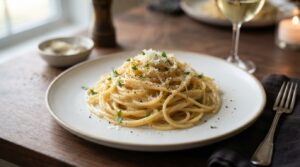
Spaghetti is one of the world’s most recognisable pasta shapes, and its long strands make an excellent base for sauces. When those strands are combined with melted cheese and a creamy sauce, the result is cheese spaghetti — a simple but satisfying pasta dish that puts texture and richness at the centre.
Unlike a single traditional recipe, cheese spaghetti can be prepared in several ways. Some versions use a smooth cream-and-cheese sauce, while others rely mainly on cheese, butter and pasta water to create a glossy coating. The type of cheese and the way it is incorporated can make a noticeable difference to the finished dish.
What Is Cheese Spaghetti?
Cheese spaghetti is spaghetti combined with cheese as a principal flavouring ingredient. Depending on the recipe, the sauce may also contain butter, milk, cream, garlic, herbs, black pepper or other seasonings.
The long strands of spaghetti allow the sauce to spread across a large surface area. When prepared properly, the cheese sauce should coat the strands rather than collect heavily at the bottom of the plate.
This makes the cooking process important. The pasta, sauce and cheese need to come together while the ingredients are still warm.
Choosing the Cheese
The cheese used can determine both the flavour and consistency of the dish.
Parmesan is often used in pasta preparations because of its strong savoury and nutty character. Cheddar can provide a more familiar sharp and creamy flavour, while mozzarella is valued more for its melt and stretch than for intense flavour.
Some recipes combine different cheeses to balance flavour and melting qualities. A stronger cheese can provide depth, while a milder cheese can contribute creaminess.
The best choice ultimately depends on the style of spaghetti being prepared.
The Role of Pasta Water
One small ingredient can make a surprisingly big difference when preparing cheese-based pasta: starchy pasta cooking water.
As spaghetti cooks, some starch moves into the water. A small amount of this water can be added while mixing the pasta with cheese and other ingredients. It can help loosen the sauce and encourage the ingredients to form a smoother coating around the spaghetti.
This is particularly useful in preparations where the sauce is built without a large quantity of cream.
Cooking Spaghetti Properly
Spaghetti is generally cooked in boiling salted water until al dente, meaning it remains firm to the bite.
Once drained, the pasta can be combined with the warm cheese mixture. Timing matters because cheese can behave differently depending on the temperature. Too much direct heat can cause some cheeses to become oily or clumpy rather than forming a smooth sauce.
Gentle heat, adequate pasta water and continuous tossing can help create a more cohesive texture.
Flavours That Work with Cheese
Cheese spaghetti does not need many additional ingredients, but a few carefully selected flavours can add character.
Black pepper provides gentle heat and aroma, while garlic can give the dish a more savoury foundation. Fresh parsley or basil can add freshness against the richness of the cheese.
Chilli flakes can also be used for heat, while mushrooms, spinach, broccoli or other vegetables can turn the dish into a more substantial meal.
For a protein-rich variation, chicken, prawns or other cooked ingredients can be added, although these are optional additions rather than essential components of basic cheese spaghetti.
Cheese Spaghetti in Sri Lanka
Pasta dishes have become common on restaurant and café menus in Sri Lanka, where Italian-inspired preparations are often adapted to local preferences.
Cheese spaghetti can be given a distinctly local twist through the use of chilli, black pepper, garlic or additional seasoning. These additions can introduce more heat and aroma while keeping the creamy, cheesy character of the dish intact.
It can therefore appeal both to diners looking for familiar international comfort food and those who enjoy stronger flavours.
A Simple Dish with Plenty of Room for Variation
Cheese spaghetti shows how a familiar pasta shape can become a completely different experience through a simple change in sauce.
The key is balance: the cheese should provide richness without making the spaghetti excessively heavy, while the pasta should remain firm enough to retain its texture.
Whether prepared with Parmesan and black pepper, a creamy cheese sauce, or a more strongly seasoned variation, cheese spaghetti is an easygoing pasta dish that leaves plenty of room for personal preference.
Looking for delicious spaghetti dishes and unique food experiences across Sri Lanka? Explore Lankaura and discover your next place to eat…!🍛🍝

