

Chicken Pasta
Categories
Categories
- Afghan Cuisine(1)
- American Cuisine(141)
- Australian Cuisine(6)
- Austrian Cuisine(2)
- Belgian Cuisine(1)
- Brazilian Cuisine(3)
- British Cuisine(35)
- Cakes in Sri Lanka(47)
- Canadian Cuisine(1)
- Chinese Cuisine(85)
- Cocktails in Sri Lanka(18)
- Cuban Cuisine(17)
- Dutch Cuisine(1)
- Egyptian Cuisine(3)
- Filipino Cuisine(3)
- French Cuisine(23)
- German Cuisine(9)
- Greek Cuisine(16)
- Hong Kong Cuisine(1)
- Indian Cuisine(79)
- Indonesian Cuisine(15)
- Innovative Sri Lankan Flavours(5)
- Iranian Cuisine(5)
- Irish Cuisine(2)
- Italian Cuisine(112)
- Japanese Cuisine(13)
- Kazakastani Cuisine(1)
- Korean Cuisine(0)
- Malaysian Cuisine(12)
- Mexican Cuisine(13)
- Modern Culinary Trends(40)
- Moroccan Cuisine(2)
- Omani Cuisine(1)
- Russian Cuisine(2)
- Saudi Arabian Cuisine(1)
- Senegalese Cuisine(1)
- Singapore Cuisine(1)
- Spanish Cuisine(7)
- Sri Lankan Authentic Beverages(37)
- Sri Lankan Authentic Curries(66)
- Sri Lankan Authentic Desserts(6)
- Sri Lankan Authentic Food(78)
- Sri Lankan Authentic Seafood(18)
- Sri Lankan Authentic Snacks(20)
- Sri Lankan Authentic Sweets(20)
- Swiss Cuisine(3)
- Taiwanese Cuisine(9)
- Thai Cuisine(21)
- Turkish Cuisine(11)
- Yemeni Cuisine(2)
Chicken Pasta – A Comforting Dish with Endless Possibilities
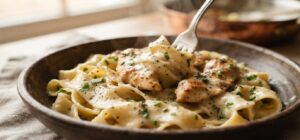
Some meals simply make sense at the end of a long day. Chicken pasta is one of them.
It is warm, filling, familiar, and surprisingly flexible. You can make it creamy and indulgent, light and herby, spicy and bold, or packed with vegetables. The same basic combination of pasta and chicken can feel completely different depending on the sauce, seasoning, cooking method, and ingredients around it.
That flexibility is part of what has made chicken pasta such a popular choice in restaurants and home kitchens around the world.
Why Chicken and Pasta Work So Well Together
At first glance, chicken pasta sounds like a simple combination. But its appeal comes from the way the two main ingredients complement each other.
Pasta provides a neutral, satisfying base that carries sauces beautifully, while chicken adds a savoury, protein-rich element with a texture that can range from tender and juicy to lightly grilled and golden.
The sauce is where the personality really begins.
A creamy sauce can make the dish rich and comforting. Tomato-based sauces bring acidity and freshness. Garlic, herbs, chilli, black pepper, cheese, or roasted vegetables can completely change the character of the plate without changing its foundation.
This makes chicken pasta less of a single recipe and more of a category of dishes.
Choosing the Right Chicken
Chicken breast is a common choice because it is lean, easy to slice, and works particularly well with creamy or tomato-based sauces. When cooked carefully, it can be tender enough to blend naturally with the pasta rather than becoming a separate element on the plate.
Chicken thigh offers something different. It contains more fat and tends to have a deeper flavour and softer texture, making it particularly enjoyable in dishes where the chicken is expected to bring plenty of savouriness.
The way the chicken is prepared matters just as much as the cut.
Grilled chicken can introduce a lightly charred flavour. Pan-seared pieces develop a golden exterior, while shredded chicken blends more evenly into a sauce.
Even a simple seasoning of garlic, black pepper, herbs, and salt can give the chicken enough character to stand up to the pasta.
Pasta Shape Can Change the Experience
Not every pasta shape behaves in the same way.
Long pasta such as spaghetti or linguine creates a very different bite from short shapes such as penne or fusilli. Wider ribbons can carry creamy sauces particularly well, while ridged or twisted shapes can hold thicker sauces and small pieces of chicken between their folds.
Penne, for example, can create a hearty restaurant-style plate where the chicken and sauce are distributed throughout every serving.
A ribbon-shaped pasta can make the dish feel more elegant, especially when paired with sliced chicken and a smooth sauce.
There is no single “correct” pasta shape for chicken pasta. The better choice depends on the sauce and the texture you want from the finished dish.
The Sauce Sets the Mood
Ask someone to describe chicken pasta and you may get a completely different answer depending on their favourite sauce.
Creamy chicken pasta is often associated with comfort food. A smooth sauce enriched with cheese, garlic, herbs, and black pepper can coat the pasta generously, creating a rich and satisfying meal.
Tomato-based chicken pasta takes another direction. The acidity of tomatoes can keep the dish feeling brighter, while garlic, herbs, chilli, and seasoning add depth.
For something lighter, olive oil can form the base instead of a heavy cream sauce. Garlic, herbs, vegetables, lemon, or chilli can then add freshness and flavour without making the dish overly rich.
This is why two plates labelled “chicken pasta” can look and taste nothing alike.
Getting the Texture Right
Good chicken pasta is not only about flavour. Texture plays a huge role.
The pasta should have enough firmness to retain its shape and provide some bite. Overcooked pasta can become soft and lose the structure that helps it work with the sauce.
The chicken should also remain tender rather than dry.
One useful approach is to cook the chicken separately until properly browned, then combine it with the sauce and pasta near the end. This allows the outside of the chicken to retain some texture while the sauce brings the ingredients together.
A little pasta cooking water can also help loosen and bring together certain sauces, creating a smoother coating rather than leaving the pasta swimming in liquid.
The goal is a plate where the sauce clings to the pasta, the chicken remains noticeable, and every bite feels balanced.
Small Ingredients Can Make a Big Difference
Chicken pasta does not need a huge list of ingredients to become interesting.
Fresh herbs can introduce brightness. Garlic gives depth. Chilli can add warmth. Mushrooms can provide an earthy quality, while spinach or other vegetables can bring colour and freshness.
Cheese is another ingredient that can change the final impression of the dish. A little grated hard cheese can add saltiness and savoury depth, particularly in creamy preparations.
Even the finishing touches matter. Freshly cracked black pepper, chopped herbs, a drizzle of olive oil, or a small amount of grated cheese can make a simple plate look much more considered.
The best additions are not necessarily the ones that make the dish complicated. They are the ones that give each element a reason to be there.
Chicken Pasta in Sri Lankan Dining
In Sri Lanka, pasta has become a familiar feature of cafés, restaurants, hotels, and casual dining menus.
Chicken pasta fits naturally into this setting because it is easy to adapt to local preferences. Some preparations may lean towards creamy and mild flavours, while others introduce stronger seasoning, chilli, garlic, or locally preferred spice levels.
That adaptability also makes chicken pasta an interesting meeting point between international-style cooking and Sri Lankan tastes.
A restaurant may serve a classic creamy version, while another may create a more boldly seasoned plate with vegetables and spice. Neither needs to follow exactly the same recipe.
For diners, that means chicken pasta can be worth exploring from one restaurant to another. The ingredients may sound familiar, but the final dish can reveal a completely different interpretation.
What Makes a Memorable Plate?
A satisfying chicken pasta does not necessarily need expensive ingredients or an elaborate presentation.
It needs balance.
The pasta should have a pleasant texture. The chicken should be properly cooked and seasoned. The sauce should complement rather than overwhelm the other ingredients. And the finishing touches should add something meaningful rather than simply decorating the plate.
Presentation can make a difference too. Neatly arranged chicken, a glossy sauce, fresh herbs, and a clean plate can turn an everyday comfort dish into something that feels restaurant-worthy.
Ultimately, that is the charm of chicken pasta. It is familiar enough to feel comforting, yet flexible enough to keep surprising you.
Whether served as a creamy bowl on a rainy evening, a tomato-rich dinner with herbs and chilli, or a beautifully plated restaurant dish, chicken pasta has plenty of room for personality.
And sometimes, that is exactly what makes a simple meal worth remembering.
Looking for delicious places to enjoy Chicken Pasta and other flavours across Sri Lanka? Explore Lankaura and discover your next food experience…! 🍝


