
Curry Pasta
Categories
Categories
- Afghan Cuisine(1)
- American Cuisine(141)
- Australian Cuisine(6)
- Austrian Cuisine(2)
- Belgian Cuisine(1)
- Brazilian Cuisine(3)
- British Cuisine(35)
- Cakes in Sri Lanka(47)
- Canadian Cuisine(1)
- Chinese Cuisine(85)
- Cocktails in Sri Lanka(18)
- Cuban Cuisine(17)
- Dutch Cuisine(1)
- Egyptian Cuisine(3)
- Filipino Cuisine(3)
- French Cuisine(23)
- German Cuisine(9)
- Greek Cuisine(16)
- Hong Kong Cuisine(1)
- Indian Cuisine(79)
- Indonesian Cuisine(15)
- Innovative Sri Lankan Flavours(5)
- Iranian Cuisine(5)
- Irish Cuisine(2)
- Italian Cuisine(112)
- Japanese Cuisine(13)
- Kazakastani Cuisine(1)
- Korean Cuisine(0)
- Malaysian Cuisine(12)
- Mexican Cuisine(13)
- Modern Culinary Trends(40)
- Moroccan Cuisine(2)
- Omani Cuisine(1)
- Russian Cuisine(2)
- Saudi Arabian Cuisine(1)
- Senegalese Cuisine(1)
- Singapore Cuisine(1)
- Spanish Cuisine(7)
- Sri Lankan Authentic Beverages(37)
- Sri Lankan Authentic Curries(66)
- Sri Lankan Authentic Desserts(6)
- Sri Lankan Authentic Food(78)
- Sri Lankan Authentic Seafood(18)
- Sri Lankan Authentic Snacks(20)
- Sri Lankan Authentic Sweets(20)
- Swiss Cuisine(3)
- Taiwanese Cuisine(9)
- Thai Cuisine(21)
- Turkish Cuisine(11)
- Yemeni Cuisine(2)
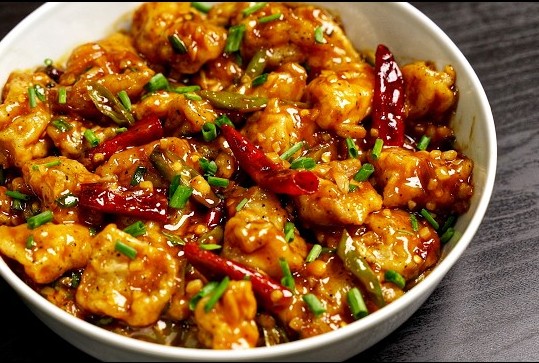
Curry Pasta- Where Comforting Pasta Meets the Flavours of Curry
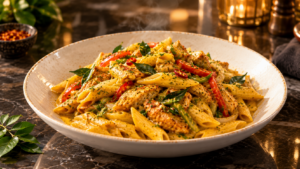
Pasta is often associated with Italian sauces, herbs and cheese, but it can take on a completely different personality when combined with curry. Curry Pasta brings together the familiar comfort of pasta with the warmth, aroma and layered seasoning of curry, creating a dish that feels both familiar and unexpected.
It is the kind of dish that can change considerably depending on how the curry is prepared. A mild, creamy curry can create a rich and comforting pasta, while a spicier curry can give the dish a deeper and more energetic character. The balance between the pasta and curry is what makes this combination work.
What Is Curry Pasta?
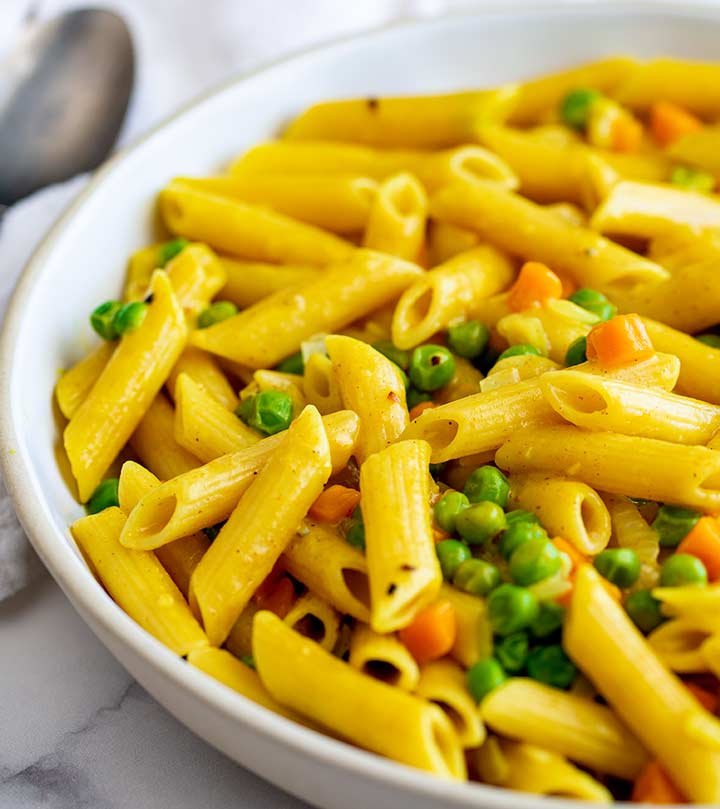
Curry Pasta is essentially a pasta dish prepared with curry-inspired seasoning or a curry-based sauce. It can include vegetables, chicken, seafood or other ingredients depending on the recipe or restaurant.
Unlike traditional pasta dishes where the sauce usually follows a specific Italian style, Curry Pasta allows more room for regional flavours. Curry powder, fresh spices, aromatics, coconut milk, cream, tomato or even a combination of these can influence the final dish.
In Sri Lanka, where curry is already an important part of everyday food culture, this combination feels particularly natural. It allows familiar curry flavours to appear in a different format.
The Curry Base Makes the Difference
The most important part of Curry Pasta is, naturally, the curry itself.
A curry base can begin with aromatics such as onion, garlic and ginger before spices are introduced. Depending on the style, ingredients such as chilli, turmeric, cumin, coriander, curry leaves or black pepper may contribute to the flavour.
The spices do not simply make the pasta spicy. They can add warmth, earthiness, fragrance and depth.
A well-balanced curry should complement the pasta rather than completely dominate it. If the seasoning is too strong, the pasta can disappear underneath the curry. If it is too mild, the dish may feel flat.
That balance is where a good Curry Pasta becomes interesting.
Creamy or Spicy?
There is no single way to prepare Curry Pasta.
A creamy version can combine curry spices with cream or coconut milk, creating a smooth sauce that coats the pasta generously. The richness can soften the heat of the spices and make the dish feel comforting.
A lighter version might rely more heavily on spices, aromatics and a thinner sauce. This allows the individual curry flavours to remain noticeable without making the dish overly rich.
Some restaurants may also create tomato-based curry sauces, combining acidity with spices to give the pasta a brighter character.
Each approach produces a different experience, even when the same pasta is used.
Choosing the Right Pasta
The pasta itself matters more than it might seem.
Long pasta such as spaghetti can work beautifully with a thinner curry sauce because the sauce can coat and cling to the strands. Short shapes such as penne or fusilli can work particularly well with thicker mixtures because their shapes can hold small amounts of sauce and ingredients.
The goal is not simply to choose a pasta shape that looks appealing. The shape should work with the consistency of the curry.
When the pasta is cooked properly and retains a pleasant bite, it provides a firm base against the softer curry sauce.
Getting the Spice Balance Right
One of the biggest challenges with Curry Pasta is controlling the intensity of the spices.
Curry flavours can be layered rather than relying entirely on chilli heat. Aromatic spices can provide fragrance, while black pepper or chilli can introduce warmth.
Salt is equally important because it helps bring the different elements together. Too little seasoning can make the curry taste dull, while too much can overwhelm the pasta.
A good Curry Pasta should allow you to recognise the curry influence without feeling as though you are simply eating curry poured over noodles.
Adding Vegetables and Protein
Curry Pasta can easily become a complete meal with the addition of other ingredients.
Vegetables such as bell peppers, onions, mushrooms, carrots, peas and spinach can add colour and texture. Their natural sweetness can also provide contrast to the spices.
Chicken is another common addition, particularly when lightly seasoned and cooked until tender. Seafood can create an entirely different version, with prawns or fish pairing naturally with aromatic curry flavours.
The important thing is balance. Adding more ingredients does not automatically make the dish better. Each component should contribute something useful, whether that is flavour, texture or colour.
The Sri Lankan Connection
Curry Pasta is especially interesting in Sri Lanka because curry flavours are already deeply familiar.
Sri Lankan cooks and restaurants are accustomed to combining spices, aromatics and coconut-based ingredients in countless ways. Bringing these flavours into pasta creates an opportunity for something that feels contemporary while still reflecting local preferences.
A restaurant might use familiar Sri Lankan curry spices while keeping the pasta preparation relatively modern. Another may introduce coconut milk, curry leaves or chilli into a creamy sauce.
These interpretations show how international dishes can evolve when they meet local food traditions.
Why Coconut Milk Works So Well
Coconut milk can be particularly effective in Curry Pasta.
Its natural creaminess can create a smooth sauce without relying entirely on dairy. It also works naturally with many curry spices and is already an important ingredient in Sri Lankan cuisine.
The amount matters, though. Too much coconut milk can make the dish excessively rich and mask the spices. A carefully balanced amount can instead create a sauce that feels creamy while allowing the curry flavours to remain present.
This is one of the simplest ways to give a Curry Pasta a distinctly Sri Lankan character.
Texture Matters Too
Flavour may be the first thing people notice, but texture can determine whether the dish feels satisfying.
The pasta should retain enough firmness to provide structure. Vegetables can add a slight crunch, while chicken or seafood can provide another texture against the soft sauce.
A curry sauce that is too thin may slide away from the pasta, while one that is excessively thick can make every bite feel heavy.
The ideal consistency allows the sauce to coat the pasta without turning the entire dish into a dense mixture.
How Restaurants Can Make It Their Own
Curry Pasta gives chefs plenty of creative freedom.
One restaurant might serve a mild coconut curry version, while another may create a fiery chilli-based dish. Some may focus on chicken, while others may use prawns or vegetables.
Presentation can also change the experience. A carefully twirled portion of pasta, a few fresh herbs, sliced chilli or lightly toasted ingredients can make the dish feel more refined.
This flexibility is one reason Curry Pasta can appear in casual cafés as well as more contemporary restaurant menus.
More Than Just a Fusion Dish
Curry Pasta is interesting because it shows how food does not always need to stay inside strict boundaries.
Pasta provides a familiar foundation, while curry brings warmth, spice and aromatic depth. When the two are balanced properly, neither has to completely overpower the other.
For diners in Sri Lanka, it can also be a fun way to experience familiar curry flavours in a different format. For visitors, it offers another example of how local tastes can influence international-style dishes.
Ultimately, the best Curry Pasta is not necessarily the hottest or richest version. It is the one where the pasta, curry, seasoning and additional ingredients work together naturally.
Final Thought
Curry Pasta may sound like an unusual combination at first, but its appeal becomes clear once the flavours come together. The comforting texture of pasta provides a familiar base, while curry introduces warmth, aroma and plenty of room for creativity.
From creamy coconut-based versions to boldly spiced plates filled with vegetables, chicken or seafood, Curry Pasta can take many forms while still keeping its central character.
Looking for delicious fusion dishes and unique food experiences across Sri Lanka? Explore Lankaura and discover your next place to eat…!🍛🍝
