

Cuttlefish Roti
Categories
Categories
- Afghan Cuisine(1)
- American Cuisine(141)
- Australian Cuisine(6)
- Austrian Cuisine(2)
- Belgian Cuisine(1)
- Brazilian Cuisine(3)
- British Cuisine(35)
- Cakes in Sri Lanka(47)
- Canadian Cuisine(1)
- Chinese Cuisine(85)
- Cocktails in Sri Lanka(18)
- Cuban Cuisine(17)
- Dutch Cuisine(1)
- Egyptian Cuisine(3)
- Filipino Cuisine(3)
- French Cuisine(23)
- German Cuisine(9)
- Greek Cuisine(16)
- Hong Kong Cuisine(1)
- Indian Cuisine(79)
- Indonesian Cuisine(15)
- Innovative Sri Lankan Flavours(5)
- Iranian Cuisine(5)
- Irish Cuisine(2)
- Italian Cuisine(112)
- Japanese Cuisine(13)
- Kazakastani Cuisine(1)
- Korean Cuisine(0)
- Malaysian Cuisine(12)
- Mexican Cuisine(13)
- Modern Culinary Trends(40)
- Moroccan Cuisine(2)
- Omani Cuisine(1)
- Russian Cuisine(2)
- Saudi Arabian Cuisine(1)
- Senegalese Cuisine(1)
- Singapore Cuisine(1)
- Spanish Cuisine(7)
- Sri Lankan Authentic Beverages(37)
- Sri Lankan Authentic Curries(66)
- Sri Lankan Authentic Desserts(6)
- Sri Lankan Authentic Food(78)
- Sri Lankan Authentic Seafood(18)
- Sri Lankan Authentic Snacks(20)
- Sri Lankan Authentic Sweets(20)
- Swiss Cuisine(3)
- Taiwanese Cuisine(9)
- Thai Cuisine(21)
- Turkish Cuisine(11)
- Yemeni Cuisine(2)
Cuttlefish Roti – A Delicious Seafood Twist on a Sri Lankan Favourite
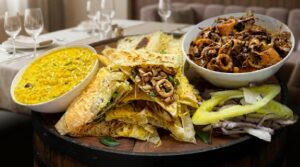
Sri Lankan roti is loved for its versatility, with different fillings and flavours turning a simple flatbread into a satisfying meal. From vegetable-filled roti to versions featuring chicken, fish and other ingredients, there are plenty of ways to enjoy this familiar favourite. Cuttlefish roti brings a seafood twist to the experience, combining tender cuttlefish with flavourful seasonings and a soft, golden roti.
With its savoury filling, satisfying texture and combination of seafood flavours, cuttlefish roti is an appealing option for people who enjoy Sri Lankan street food and seafood dishes. Whether eaten as a quick snack, a light meal or part of a food adventure, it offers another way to explore the variety of roti available in Sri Lanka.
What Is Cuttlefish Roti?
Cuttlefish roti is a filled or stuffed roti prepared with cuttlefish as one of its main ingredients. Cuttlefish is a marine animal commonly used in seafood dishes and is known for its firm, tender texture when cooked properly.
The roti itself may be made from wheat flour, water, salt and a little oil. The dough is prepared, rested and shaped into a thin flatbread before being filled or served with a cuttlefish mixture, depending on the cooking style.
The filling often combines chopped cuttlefish with onions, green chillies, curry leaves, spices and other ingredients that contribute to its flavour. Some preparations may include additional vegetables or a spicy sauce.
Cuttlefish roti can be folded into a parcel, rolled around its filling or prepared in a style similar to other stuffed Sri Lankan rotis. The exact shape and preparation depend on the recipe and the cook.
What Ingredients Give Cuttlefish Roti Its Flavour?
The flavour of cuttlefish roti comes from the combination of seafood, seasoning and the roti itself. Although recipes differ, several ingredients work well together to create a satisfying filling.
Cuttlefish – The main ingredient provides a distinctive seafood flavour and a firm texture. It is usually cleaned and cut into small pieces so that it cooks evenly and is easier to combine with the other ingredients.
Wheat flour – Wheat flour forms the base of the roti. When prepared correctly, the flatbread can be soft and flexible, making it suitable for wrapping around a filling.
Onions – Onions contribute sweetness and a savoury base to the filling. They can be cooked until soft before the cuttlefish and seasonings are added.
Green chillies – Green chillies provide heat and a fresh chilli flavour. Their quantity can be adjusted according to personal preference.
Curry leaves – Curry leaves add a familiar aroma associated with many Sri Lankan savoury dishes.
Spices – Ingredients such as black pepper, chilli powder, turmeric and curry powder may be used to season the cuttlefish. The combination varies depending on the recipe.
Oil and salt – These help with cooking and balancing the flavour of the filling.
Some versions may include leeks, carrots, cabbage or other vegetables. These additions can provide more texture and help create a fuller filling without taking away from the cuttlefish flavour.
How Is Cuttlefish Roti Prepared?
Preparing cuttlefish roti involves making the flatbread, cooking the seafood filling and bringing the two together.
The roti dough is typically made by combining flour, water, salt and a little oil. It is kneaded until smooth and left to rest, allowing it to become easier to stretch or roll. Depending on the recipe, the dough may be divided into portions and shaped into thin rounds.
The cuttlefish is cleaned thoroughly and cut into small, even pieces. It is then cooked with onions, chillies, curry leaves and selected spices. Cuttlefish can become tough if overcooked, so careful preparation and cooking are important for achieving a pleasant texture.
Once the filling is ready, it is allowed to cool slightly before being placed on the prepared dough. The edges of the dough are folded over the filling to create a parcel, or the filling is enclosed using another suitable folding method.
The filled roti is then cooked on a hot, lightly oiled griddle or flat cooking surface. It is turned as needed until the outside develops a golden colour and the dough is cooked through.
The finished roti should have a cooked, lightly crisp exterior and a savoury cuttlefish filling inside. It is generally best served warm, when the flatbread and filling can be enjoyed together.
What Makes Cuttlefish Roti Different from Other Seafood Rotis?
Sri Lankan seafood dishes use a variety of ingredients, including fish, prawns, crabs and cuttlefish. When these ingredients are used in roti fillings, each creates a different eating experience.
Fish roti often features fish that flakes apart after cooking, while prawns provide a firmer, slightly springy texture. Cuttlefish has a different bite and can remain pleasantly firm when prepared properly.
Its flavour also works well with bold seasonings. Chilli, black pepper, curry leaves and onions can complement the natural seafood taste without completely overpowering it.
The roti adds another dimension by providing a soft, filling outer layer. Instead of eating the seafood separately with rice or bread, diners can enjoy the cuttlefish and its seasonings enclosed in a convenient flatbread.
The final result depends on the cuttlefish preparation, the seasoning and the thickness of the roti. A well-balanced filling allows the seafood to remain noticeable while the spices provide depth.
How Does Cuttlefish Roti Taste?
Cuttlefish roti generally offers a savoury seafood flavour combined with the warmth of Sri Lankan spices. The cuttlefish provides a distinctive taste and firm texture, while onions and other vegetables can contribute sweetness and freshness.
Chilli and black pepper may add heat, and curry leaves provide an aromatic note. The roti itself has a comparatively mild flavour, allowing the filling to remain the main focus.
Texture is an important part of the experience. The outside can become lightly golden during cooking, while the inside contains the seasoned seafood mixture. When the cuttlefish is cooked correctly, it should be tender rather than excessively chewy.
Some versions may be mild and savoury, while others can be much spicier. The choice of ingredients and cooking method determines how the finished roti tastes.
For seafood lovers, this combination of seasoned cuttlefish and freshly cooked flatbread makes cuttlefish roti an interesting alternative to more familiar filled rotis.
What Can Be Served with Cuttlefish Roti?
Cuttlefish roti can be enjoyed on its own because the filling and flatbread provide a combination of flavours and textures. However, several accompaniments can make the meal more varied.
Spicy sauce – A chilli-based sauce can add extra heat for people who enjoy spicy food.
Pol sambol – Coconut sambol can provide a fresh, spicy accompaniment that suits many Sri Lankan savoury dishes.
Lime – A small squeeze of lime can introduce acidity that complements the seafood filling.
Fresh salad – A simple salad with cucumber, onion or other fresh vegetables can provide a refreshing contrast.
A warm drink – Tea can be a pleasant choice when cuttlefish roti is enjoyed as a snack or casual meal.
The choice of accompaniment depends on the seasoning already used in the filling. If the roti is heavily spiced, a simpler side may provide a better balance.
Cuttlefish Roti in Sri Lanka
Sri Lanka has a strong tradition of preparing seafood with aromatic spices, coconut-based ingredients and fresh herbs. Cuttlefish is used in various local preparations, including spicy stir-fries and curries, making it a familiar ingredient for many seafood enthusiasts.
Roti is also widely enjoyed across the island, with street-food stalls, small eateries and restaurants offering different fillings and cooking styles. Combining cuttlefish with roti brings these two elements together in a convenient meal.
The availability of cuttlefish roti can vary from one location to another. Some food outlets may offer specialised seafood rotis, while others focus on more common fillings such as vegetables, eggs, chicken or fish.
For people exploring Sri Lankan food, trying different roti varieties can be a way to discover how familiar ingredients are used in creative combinations. Checking local menus can help identify eateries that offer seafood-filled roti.
Final Thoughts
Cuttlefish roti combines the savoury flavour of seasoned seafood with the comforting texture of freshly cooked flatbread. Its distinctive filling, aromatic spices and convenient shape make it an interesting choice for anyone who enjoys seafood and Sri Lankan street food.
Whether served with pol sambol, a spicy sauce or enjoyed on its own, cuttlefish roti offers another delicious variation to discover among Sri Lanka’s many roti dishes.
Looking for delicious cuttlefish and more culinary discoveries? Explore more Lankaura.
