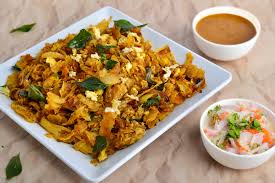
Egg Kottu
Categories
Categories
- Afghan Cuisine(1)
- American Cuisine(141)
- Australian Cuisine(6)
- Austrian Cuisine(2)
- Belgian Cuisine(1)
- Brazilian Cuisine(3)
- British Cuisine(35)
- Cakes in Sri Lanka(47)
- Canadian Cuisine(1)
- Chinese Cuisine(85)
- Cocktails in Sri Lanka(18)
- Cuban Cuisine(17)
- Dutch Cuisine(1)
- Egyptian Cuisine(3)
- Filipino Cuisine(3)
- French Cuisine(23)
- German Cuisine(9)
- Greek Cuisine(16)
- Hong Kong Cuisine(1)
- Indian Cuisine(79)
- Indonesian Cuisine(15)
- Innovative Sri Lankan Flavours(5)
- Iranian Cuisine(5)
- Irish Cuisine(2)
- Italian Cuisine(112)
- Japanese Cuisine(13)
- Kazakastani Cuisine(1)
- Korean Cuisine(0)
- Malaysian Cuisine(12)
- Mexican Cuisine(13)
- Modern Culinary Trends(40)
- Moroccan Cuisine(2)
- Omani Cuisine(1)
- Russian Cuisine(2)
- Saudi Arabian Cuisine(1)
- Senegalese Cuisine(1)
- Singapore Cuisine(1)
- Spanish Cuisine(7)
- Sri Lankan Authentic Beverages(37)
- Sri Lankan Authentic Curries(66)
- Sri Lankan Authentic Desserts(6)
- Sri Lankan Authentic Food(78)
- Sri Lankan Authentic Seafood(18)
- Sri Lankan Authentic Snacks(20)
- Sri Lankan Authentic Sweets(20)
- Swiss Cuisine(3)
- Taiwanese Cuisine(9)
- Thai Cuisine(21)
- Turkish Cuisine(11)
- Yemeni Cuisine(2)
Egg Kottu- A Delicious Sri Lankan Street Food Favourite

Egg kottu is a popular Sri Lankan street food that brings together chopped godamba roti, eggs, vegetables, aromatic spices and savoury seasonings in one satisfying dish. Prepared on a hot metal griddle, this much-loved meal is known for its distinctive chopping sounds, inviting aroma and delicious combination of textures.
From busy roadside food stalls to local restaurants, kottu has become a familiar part of Sri Lanka’s food culture. Egg kottu is a popular choice for people who enjoy the flavour of traditional kottu with the added richness of eggs. It can be prepared with a simple combination of roti and seasonings or enhanced with vegetables, chillies and sauces according to the cook’s style.
Whether enjoyed for lunch, dinner or as a late-night meal, egg kottu offers a filling and flavourful way to experience one of Sri Lanka’s best-known street food dishes.
What Is Egg Kottu?
Egg kottu is a variation of Sri Lankan kottu roti, a dish made by chopping flatbread into small pieces and stir-frying it with other ingredients on a hot griddle. In egg kottu, eggs are a central ingredient, adding flavour and texture to the chopped roti.
The dish is usually prepared with godamba roti, a thin, soft flatbread that can be chopped easily during cooking. The roti is combined with beaten or freshly cracked eggs, sliced onions, vegetables, green chillies and seasonings. Some versions also include curry gravy to give the dish additional moisture and flavour.
One of the defining features of egg kottu is its preparation method. Cooks use metal blades to chop and mix the ingredients repeatedly on a heated surface. This technique helps distribute the egg and seasonings throughout the roti, ensuring that each portion contains a mixture of flavours.
Recipes differ between eateries, so the ingredients, spice levels and final texture can vary. However, the combination of chopped roti, egg and savoury seasoning remains at the heart of this popular dish.
The Ingredients That Make Egg Kottu Delicious
The flavour of egg kottu comes from combining simple ingredients and cooking them together over high heat.
Godamba roti: This thin Sri Lankan flatbread forms the base of the dish. Once chopped into small pieces, it absorbs the seasonings while retaining a satisfying texture.
Eggs: Eggs provide richness and help bind the ingredients together. As they cook on the hot griddle, they mix with the chopped roti and contribute to the dish’s distinctive flavour.
Onions and vegetables: Onions are commonly used to create a savoury base. Carrots, leeks and cabbage may also be added, bringing colour, texture and freshness.
Green chillies and spices: These ingredients add warmth and depth. The amount of chilli can be adjusted depending on the preferred spice level.
Curry gravy and seasonings: Some cooks add a little curry gravy, pepper, salt or other seasonings to create a more intense flavour. The exact combination depends on the restaurant or recipe.
Cooking oil: A small amount of oil helps cook the ingredients evenly on the griddle and prevents them from sticking.
The balance between these ingredients is important. Too much gravy can make the roti overly soft, while insufficient seasoning can leave the dish tasting plain. A well-prepared egg kottu combines savoury flavour, a satisfying texture and the aroma of freshly cooked ingredients.
How Egg Kottu Is Prepared
Egg kottu is prepared on a large, flat metal cooking surface that allows the ingredients to be chopped, mixed and stir-fried together.
The process begins with preparing the godamba roti. The flatbread is cut or chopped into smaller pieces so it can be mixed easily with the other ingredients.
Next, oil is heated on the griddle, and chopped onions, vegetables and chillies are added. These are cooked briefly until they begin to soften and release their aroma. The eggs are then added and stirred as they cook.
The chopped roti is introduced to the mixture, followed by seasonings and, if desired, a small amount of curry gravy. Using two metal blades, the cook repeatedly chops and tosses the ingredients across the hot surface. This helps distribute the egg and seasonings evenly while heating everything thoroughly.
The cooking continues until the ingredients are well combined and the egg is fully cooked. The finished kottu is served hot, often with curry gravy or another accompaniment on the side.
Although the ingredients are straightforward, achieving a good result requires attention to heat, timing and moisture. The roti should be thoroughly heated without becoming excessively soggy, and the eggs should be cooked properly while remaining well distributed throughout the dish.
What Makes Egg Kottu Special?
Egg kottu stands out because of its combination of textures and its distinctive cooking method.
The chopped roti gives the dish a soft yet slightly chewy texture. The cooked egg adds richness, while vegetables provide a little crunch and freshness. Chilli, pepper and other seasonings create a savoury flavour that can be mild or spicy depending on how it is prepared.
The sound of kottu being chopped on a hot griddle is also an important part of its appeal. The rhythmic clanging of metal blades is familiar in many Sri Lankan food streets and often signals that a fresh serving is being prepared.
Another appealing feature is its versatility. Egg kottu can be made with a relatively simple ingredient list or customised with additional vegetables and different seasonings. This makes it suitable for people with different flavour preferences.
Its popularity also comes from its convenience. The ingredients are cooked together in one dish, making egg kottu a practical meal for people looking for something warm, filling and flavourful.
Popular Variations of Egg Kottu
Although classic egg kottu is delicious on its own, several variations offer different flavours and textures.
Spicy egg kottu: This version uses additional green chillies, chilli flakes or pepper for people who enjoy a stronger kick of heat.
Vegetable egg kottu: Prepared with a greater variety of vegetables, this option combines chopped roti and eggs with ingredients such as carrots, cabbage and leeks.
Cheese egg kottu: Some modern eateries add cheese to create a richer, creamier variation. The flavour and texture depend on the type and amount of cheese used.
Egg kottu with curry gravy: Adding curry gravy gives the dish more moisture and a deeper savoury flavour. The gravy may be mixed into the kottu during cooking or served separately.
Extra-egg kottu: For those who prefer a stronger egg flavour, some restaurants prepare the dish with additional eggs.
These variations demonstrate how a familiar Sri Lankan street food can be adapted to different tastes while keeping chopped roti as its foundation.
Egg Kottu as a Sri Lankan Street Food Favourite
Kottu roti has become one of Sri Lanka’s recognisable street food dishes, particularly in the evening when restaurants and roadside eateries prepare fresh servings for customers.
Egg kottu is part of this wider food tradition. Its ingredients are familiar, its preparation is entertaining to watch, and its flavour makes it appealing to people looking for a satisfying meal.
It is commonly available alongside other kottu varieties, including chicken, beef, seafood and vegetable kottu. Having several options on the same menu allows customers to choose according to their preferences.
For visitors exploring Sri Lankan cuisine, egg kottu offers an accessible introduction to local street food. It combines familiar ingredients with a distinctive preparation style that reflects the energy of Sri Lankan food stalls.
For local diners, it remains a practical choice for a quick lunch or dinner, especially when served freshly prepared and piping hot.
Tips for Enjoying Egg Kottu
Egg kottu is best enjoyed soon after cooking, when the ingredients are hot and the flavours are well combined.
If you prefer a milder dish, choose a version with less chilli and a lighter amount of seasoning. For a stronger flavour, a spicy preparation or a little curry gravy may be more appealing.
You can also ask about the vegetables and sauces used if you have specific dietary preferences. Restaurant recipes vary, and the dish may contain additional ingredients beyond the basic combination of roti and eggs.
Since egg kottu is often served as a complete meal, portion sizes can be generous. Sharing a serving is another way to enjoy it alongside other Sri Lankan dishes.
Ultimately, the best egg kottu is one prepared fresh, seasoned to your liking and served while the flavours and textures are at their best.
Final Thoughts
Egg kottu is a delicious example of how Sri Lankan cooking transforms simple ingredients into a memorable meal. With chopped godamba roti, eggs, vegetables and aromatic seasonings cooked together on a hot griddle, it offers a satisfying combination of flavour and texture.
Whether you prefer a classic preparation, a spicy version or one with extra vegetables, egg kottu is a wonderful dish to explore when discovering Sri Lankan street food.
Looking for delicious Sri Lankan food and more culinary discoveries? Explore Lankaura, Sri Lanka’s food discovery platform,,,!