

Egg Pasta
Categories
Categories
- Afghan Cuisine(1)
- American Cuisine(141)
- Australian Cuisine(6)
- Austrian Cuisine(2)
- Belgian Cuisine(1)
- Brazilian Cuisine(3)
- British Cuisine(35)
- Cakes in Sri Lanka(47)
- Canadian Cuisine(1)
- Chinese Cuisine(85)
- Cocktails in Sri Lanka(18)
- Cuban Cuisine(17)
- Dutch Cuisine(1)
- Egyptian Cuisine(3)
- Filipino Cuisine(3)
- French Cuisine(23)
- German Cuisine(9)
- Greek Cuisine(16)
- Hong Kong Cuisine(1)
- Indian Cuisine(79)
- Indonesian Cuisine(15)
- Innovative Sri Lankan Flavours(5)
- Iranian Cuisine(5)
- Irish Cuisine(2)
- Italian Cuisine(112)
- Japanese Cuisine(13)
- Kazakastani Cuisine(1)
- Korean Cuisine(0)
- Malaysian Cuisine(12)
- Mexican Cuisine(13)
- Modern Culinary Trends(40)
- Moroccan Cuisine(2)
- Omani Cuisine(1)
- Russian Cuisine(2)
- Saudi Arabian Cuisine(1)
- Senegalese Cuisine(1)
- Singapore Cuisine(1)
- Spanish Cuisine(7)
- Sri Lankan Authentic Beverages(37)
- Sri Lankan Authentic Curries(66)
- Sri Lankan Authentic Desserts(6)
- Sri Lankan Authentic Food(78)
- Sri Lankan Authentic Seafood(18)
- Sri Lankan Authentic Snacks(20)
- Sri Lankan Authentic Sweets(20)
- Swiss Cuisine(3)
- Taiwanese Cuisine(9)
- Thai Cuisine(21)
- Turkish Cuisine(11)
- Yemeni Cuisine(2)
Egg Pasta – A Simple Combination with Plenty of Character
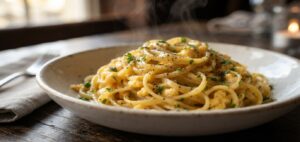
Egg and pasta might sound like an ordinary combination, but when they come together in the right way, the result can be surprisingly satisfying.
Egg pasta dishes can be creamy, savoury, lightly spiced, or packed with vegetables and herbs. The egg can be scrambled through the pasta, gently folded in, or cooked separately and served alongside it. That small difference can completely change the texture and appearance of the plate.
It is the kind of dish that feels familiar without being boring — especially when a kitchen gives it its own personality.
What Is Egg Pasta?
Egg pasta is a pasta dish where egg is one of the main ingredients added to the cooked pasta.
Unlike pasta made with egg as part of its dough, this preparation treats the egg as part of the finished meal. It can be combined with different pasta shapes, seasonings, vegetables, sauces, and other ingredients depending on the style of cooking.
One of its biggest advantages is flexibility. Egg has a mild flavour, so it can work with both simple preparations and stronger seasonings.
That makes it easy for different restaurants and home cooks to create their own interpretation.
The Egg Changes the Texture
The most noticeable feature of an egg pasta dish can be its texture.
When eggs are lightly scrambled and mixed with pasta, they create small, tender pieces throughout the dish. When cooked more softly, the egg can add a creamy quality. A fried or sunny-side-up egg placed over the pasta creates an entirely different experience, especially when the yolk is allowed to run into the noodles.
The cooking method therefore matters.
Egg that is cooked too aggressively can become dry and firm. Gentle cooking can keep it softer and more enjoyable alongside the pasta.
That contrast between springy pasta and tender egg is part of what makes the combination work.
Seasoning Can Take It in Different Directions
Egg is naturally mild, which gives seasoning plenty of room to shape the dish.
Garlic and black pepper can create a simple savoury profile. Chilli can bring heat, while herbs can add freshness. Soy sauce or other savoury seasonings may give the dish a more Asian-inspired character, while cheese and herbs can take it towards a richer Western-style preparation.
The important thing is not to overwhelm the egg.
A few well-chosen flavours can be more effective than adding everything at once. The egg should still have enough presence to justify its place in the dish.
Vegetables Can Add Colour and Contrast
Egg pasta also pairs naturally with vegetables.
Bell peppers, onions, carrots, mushrooms, spinach, peas, spring onions, and other vegetables can introduce different colours, textures, and flavours.
Crunchy vegetables provide contrast against soft egg, while leafy greens can make a richer preparation feel fresher.
The vegetables do not necessarily need to dominate the plate. Even a modest amount can make the dish more colourful and add another layer of texture.
This is one reason egg pasta can easily become a practical meal rather than simply a side dish.
Choosing the Pasta
The pasta itself also influences the final experience.
Long strands such as spaghetti can be tossed directly with egg and seasoning, allowing the ingredients to become evenly distributed. Short pasta shapes can create a heartier bite, with pieces of egg and vegetables settling naturally among the pasta.
The choice can also depend on how the egg is prepared.
A loose scrambled egg mixture can work comfortably with both long and short pasta, while a fried egg can look particularly appealing over a neatly plated portion of spaghetti or another long pasta.
There is plenty of room for creativity here.
Different Ways to Prepare Egg Pasta
There is no single method that defines the dish.
One preparation might involve stir-frying cooked pasta with vegetables before adding lightly scrambled egg. Another might use a simple garlic-and-herb base and fold the egg through the pasta at the end.
For a richer presentation, a whole fried egg can be placed on top, allowing the diner to break the yolk and mix it through the pasta.
Some versions may also include cheese, while others rely on spices and savoury sauces for their character.
These approaches can produce dishes that share the same basic idea while tasting completely different.
A Quick Meal with Restaurant Potential
Egg pasta has another advantage: it can be relatively quick to prepare.
Egg cooks much faster than many meat or seafood ingredients, so it can be particularly useful when creating a satisfying dish without a lengthy cooking process
But quick does not have to mean careless.
Timing is important. The pasta needs to be properly cooked, vegetables should retain an appealing texture, and the egg should be cooked according to the desired finish.
When those elements come together, a simple combination can look polished enough for a restaurant menu.
Egg Pasta and Local Preferences
In Sri Lanka, pasta dishes are often adapted to suit local tastes.
Egg is particularly easy to work with because it can absorb and complement stronger seasoning. A preparation can include chilli, garlic, pepper, spring onions, or other familiar flavours without losing the basic identity of the dish.
This flexibility allows restaurants and cafés to create their own versions rather than following one fixed formula.
For diners, that makes egg pasta worth exploring in different places. One plate might be mild and creamy, another could be boldly seasoned, and another might focus on vegetables and fresh herbs.
The name may remain the same, but the experience can change considerably.
What Makes a Good Egg Pasta?
A memorable egg pasta does not need a complicated ingredient list.
The pasta should have a pleasant bite, while the egg should remain tender rather than dry. Seasoning needs to support the ingredients instead of hiding them, and any vegetables or additional ingredients should contribute useful flavour or texture.
Temperature also matters.
Egg pasta is generally most enjoyable when served hot and freshly prepared. This allows the textures to remain distinct and prevents the dish from becoming heavy or dull.
Presentation can add another layer to the experience. A neatly arranged plate, colourful vegetables, fresh herbs, and a well-cooked egg can turn an everyday combination into something genuinely inviting.
Why This Simple Dish Deserves a Place on the Menu
There is something appealing about a dish that does not try too hard.
Egg pasta takes ingredients that many people already know and turns them into a filling, adaptable meal. Its character can come from the way the egg is cooked, the seasonings used, the vegetables added, and the style of the kitchen preparing it.
For someone looking for a comforting pasta dish without choosing chicken, seafood, or other heavier additions, egg can be a surprisingly versatile option.
And because there is no single way to prepare it, trying egg pasta at different restaurants can be part of the fun.
The next time you see it on a menu, look beyond the simplicity of the name. The real difference may be hiding in the seasoning, texture, and cooking style.
Looking for delicious pasta dishes and unique food experiences across Sri Lanka? Explore Lankaura and discover your next place to eat….! 🍝


