
Kathurumurunga Kola Mallum
Categories
Categories
- Afghan Cuisine(1)
- American Cuisine(141)
- Australian Cuisine(6)
- Austrian Cuisine(2)
- Belgian Cuisine(1)
- Brazilian Cuisine(3)
- British Cuisine(35)
- Cakes in Sri Lanka(47)
- Canadian Cuisine(1)
- Chinese Cuisine(85)
- Christmas Flavors(7)
- Cocktails in Sri Lanka(18)
- Cuban Cuisine(17)
- Dutch Cuisine(1)
- Egyptian Cuisine(3)
- Filipino Cuisine(3)
- French Cuisine(23)
- German Cuisine(9)
- Greek Cuisine(16)
- Hong Kong Cuisine(1)
- Indian Cuisine(79)
- Indonesian Cuisine(15)
- Innovative Sri Lankan Flavours(5)
- Iranian Cuisine(5)
- Irish Cuisine(2)
- Italian Cuisine(112)
- Japanese Cuisine(13)
- Kazakastani Cuisine(1)
- Korean Cuisine(0)
- Malaysian Cuisine(12)
- Mexican Cuisine(13)
- Modern Culinary Trends(40)
- Moroccan Cuisine(2)
- Omani Cuisine(1)
- Russian Cuisine(2)
- Saudi Arabian Cuisine(1)
- Senegalese Cuisine(1)
- Singapore Cuisine(1)
- Spanish Cuisine(7)
- Sri Lankan Authentic Beverages(38)
- Sri Lankan Authentic Curries(66)
- Sri Lankan Authentic Desserts(6)
- Sri Lankan Authentic Food(78)
- Sri Lankan Authentic Seafood(19)
- Sri Lankan Authentic Snacks(20)
- Sri Lankan Authentic Sweets(20)
- Swiss Cuisine(3)
- Taiwanese Cuisine(9)
- Thai Cuisine(21)
- Turkish Cuisine(11)
- Yemeni Cuisine(2)
Kathurumurunga Kola Mallum- A Traditional Sri Lankan Green Leaf Mallum
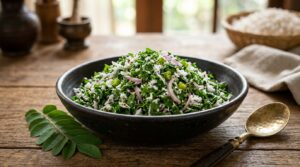
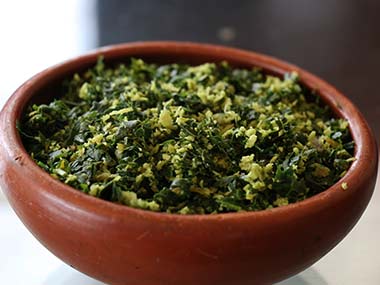
Kathurumurunga kola mallum is a traditional Sri Lankan leafy green dish prepared using fresh kathurumurunga leaves, grated coconut, and a selection of aromatic ingredients. Known for its distinctive flavour, natural green colour, and soft, slightly textured consistency, this simple dish is a familiar part of traditional Sri Lankan home cooking.
Kathurumurunga, commonly known as Agati leaves or hummingbird tree leaves, is widely recognised in Sri Lanka. The leaves are often used in everyday cooking, particularly in mallum preparations served alongside rice and curry. When combined with freshly grated coconut, onions, green chillies, and other seasonings, they create a delicious accompaniment that brings freshness and variety to a meal.
Whether prepared for a family lunch or served as part of a traditional Sri Lankan rice and curry spread, kathurumurunga kola mallum represents the beauty of using familiar local ingredients to create flavourful food.
What Is Kathurumurunga Kola Mallum?
Kathurumurunga kola mallum is a traditional Sri Lankan preparation made from finely chopped kathurumurunga leaves mixed with grated coconut and seasonings.
The word mallum refers to a category of Sri Lankan vegetable and leafy green preparations commonly made with grated coconut and aromatic ingredients. These dishes are usually served as accompaniments to rice and curry.
Kathurumurunga leaves have a distinctive taste that makes this mallum different from preparations made with gotukola, mukunuwenna, or other leafy greens. The grated coconut adds texture and richness, while ingredients such as onions, green chillies, and lime help balance the flavour.
Recipes vary between households, with some cooks preferring a lightly cooked preparation and others using different seasoning combinations. Regardless of the method, the aim is to preserve the fresh character of the leaves while bringing the ingredients together.
What Makes Kathurumurunga Kola Mallum Special?
Kathurumurunga kola mallum is appreciated for its combination of local ingredients, traditional preparation, and distinctive taste.
Several qualities make this dish special:
-
Fresh leafy greens: Kathurumurunga leaves provide the main flavour and natural green colour.
-
Grated coconut: Adds a mild sweetness and pleasant texture.
-
Simple preparation: Uses familiar ingredients commonly found in Sri Lankan kitchens.
-
Traditional flavour: Combines leafy greens with onions, chillies, and other seasonings.
-
Versatile accompaniment: Complements rice, dhal curry, fish curry, and other traditional dishes.
Unlike heavily spiced curries, mallum usually allows the natural flavour of the main ingredient to remain noticeable. This makes kathurumurunga kola mallum a refreshing addition to a meal containing richer curries and fried dishes.
Ingredients Commonly Used in Kathurumurunga Kola Mallum
The ingredients may vary depending on household preferences, but a traditional preparation generally includes the following.
Kathurumurunga Leaves
Fresh kathurumurunga leaves are the main ingredient. They are separated from the stems, washed thoroughly, and finely chopped before preparation.
The leaves have a distinctive flavour and are commonly used in Sri Lankan cooking. Selecting fresh leaves helps achieve a better colour, texture, and overall result.
Freshly Grated Coconut
Grated coconut is an important ingredient in many Sri Lankan mallum preparations. It adds a slightly sweet, creamy texture that complements the flavour of the leaves.
Fresh coconut is commonly preferred because of its natural aroma and moisture.
Onions or Shallots
Finely chopped onions or shallots provide a mild sweetness and savoury flavour. They help balance the earthy taste of the leafy greens.
Green Chillies
Green chillies add a gentle heat and freshness. The quantity can be adjusted depending on personal preference.
Curry Leaves
Curry leaves contribute a familiar Sri Lankan aroma and complement the other ingredients.
Turmeric, Salt, and Lime
Small amounts of turmeric and salt may be used for seasoning, while lime juice can add a fresh, slightly tangy finish. The seasoning should enhance the leaves rather than overpower their natural flavour.
How Is Kathurumurunga Kola Mallum Prepared?
Preparing kathurumurunga kola mallum involves a few simple steps. Although recipes differ between households, the basic method focuses on preparing the leaves properly and combining them with coconut and seasonings.
Preparing the Leaves
First, fresh kathurumurunga leaves are separated from their stems. The leaves are washed thoroughly under clean running water to remove dirt and unwanted particles.
After washing, excess water is removed, and the leaves are finely chopped. Cutting them into small pieces helps distribute the ingredients evenly and creates the familiar mallum texture.
Preparing the Coconut Mixture
Freshly grated coconut is combined with finely chopped onions, green chillies, curry leaves, salt, and other preferred seasonings.
Some recipes include a small amount of turmeric, while others keep the mixture simple to highlight the natural taste of the leaves.
Combining the Ingredients
The chopped kathurumurunga leaves are mixed with the prepared coconut mixture until everything is evenly combined.
Depending on the household recipe, the mixture may be lightly cooked or prepared using another traditional method. The cooking time should be controlled to avoid making the leaves excessively soft or losing their fresh character.
Final Seasoning and Serving
Once prepared, the mallum can be adjusted with salt and a little lime juice according to taste.
It is usually served fresh alongside rice and curry. Its green colour and coconut texture make it an attractive addition to a traditional Sri Lankan meal.
What Is Kathurumurunga Kola Mallum Served With?
Kathurumurunga kola mallum is a versatile side dish that pairs well with many familiar Sri Lankan foods.
Steamed Rice
A serving of hot steamed rice is one of the simplest ways to enjoy kathurumurunga kola mallum. The fresh leafy mixture adds colour, texture, and flavour to the rice.
It can be included in both everyday lunches and traditional family meals.
Dhal Curry
Dhal curry is a popular accompaniment to mallum. Its creamy consistency and mild spices balance the slightly distinctive flavour of kathurumurunga leaves.
Together, they create a comforting combination commonly enjoyed with rice.
Fish Curry
A spicy Sri Lankan fish curry offers a rich and flavourful contrast to the fresh taste of mallum. The coconut and leafy greens help add variety to a meal featuring a strongly seasoned curry.
Fried Fish
Fried fish is another suitable pairing. Its crispy exterior and savoury flavour complement the softer texture of the mallum.
Chicken Curry
For a more substantial rice and curry meal, kathurumurunga kola mallum can be served alongside chicken curry. The combination brings together different textures and flavours, making the meal more varied.
Tips for Making Delicious Kathurumurunga Kola Mallum
A few simple practices can help achieve a fresh and flavourful preparation.
-
Choose fresh leaves: Fresh kathurumurunga leaves help maintain the dish’s natural colour and flavour.
-
Wash thoroughly: Clean the leaves properly before chopping.
-
Chop finely: Smaller pieces create a more consistent mallum texture.
-
Use fresh coconut: Freshly grated coconut adds natural flavour and moisture.
-
Balance the seasoning: Avoid using too much chilli or other strong seasonings.
-
Control the cooking time: Avoid overcooking the leaves, as this can affect their colour and texture.
-
Serve fresh: Mallum is generally most enjoyable when freshly prepared.
These small details can make a noticeable difference to the finished dish while allowing the traditional ingredients to remain the focus.
Kathurumurunga Kola Mallum and Sri Lankan Food Culture
Sri Lankan cuisine has a long tradition of using locally available leafy greens, vegetables, coconut, and spices to prepare everyday meals. Mallum is an important part of this food culture, offering a simple way to include different greens in a traditional rice and curry spread.
Kathurumurunga leaves are one of the many local ingredients used in Sri Lankan kitchens. Their use in mallum reflects the creativity of traditional home cooking, where familiar ingredients are transformed into flavourful side dishes.
Different households may prepare mallum using their own preferred combinations of coconut, onions, chillies, and seasonings. These small differences make traditional Sri Lankan cooking varied and personal.
Kathurumurunga kola mallum is therefore more than just a leafy side dish. It represents the importance of local ingredients and the everyday cooking traditions that continue to shape Sri Lankan food culture.
Final Thoughts
Kathurumurunga kola mallum is a traditional Sri Lankan dish that brings together fresh leafy greens, grated coconut, and simple seasonings. Its distinctive flavour and versatility make it a wonderful accompaniment to rice, dhal curry, fish curry, and other familiar Sri Lankan dishes.
Whether enjoyed as part of a simple home-cooked lunch or a traditional rice and curry spread, this leafy green preparation is a delicious reminder of the value of local ingredients in Sri Lankan cuisine.
Looking for delicious Sri Lankan food and more culinary discoveries? Explore Lankaura, Sri Lanka’s food discovery platform…!