

Kidu Rice
Categories
Categories
- Afghan Cuisine(1)
- American Cuisine(141)
- Australian Cuisine(6)
- Austrian Cuisine(2)
- Belgian Cuisine(1)
- Brazilian Cuisine(3)
- British Cuisine(35)
- Cakes in Sri Lanka(47)
- Canadian Cuisine(1)
- Chinese Cuisine(85)
- Cocktails in Sri Lanka(18)
- Cuban Cuisine(17)
- Dutch Cuisine(1)
- Egyptian Cuisine(3)
- Filipino Cuisine(3)
- French Cuisine(23)
- German Cuisine(9)
- Greek Cuisine(16)
- Hong Kong Cuisine(1)
- Indian Cuisine(79)
- Indonesian Cuisine(15)
- Innovative Sri Lankan Flavours(5)
- Iranian Cuisine(5)
- Irish Cuisine(2)
- Italian Cuisine(112)
- Japanese Cuisine(13)
- Kazakastani Cuisine(1)
- Korean Cuisine(0)
- Malaysian Cuisine(12)
- Mexican Cuisine(13)
- Modern Culinary Trends(40)
- Moroccan Cuisine(2)
- Omani Cuisine(1)
- Russian Cuisine(2)
- Saudi Arabian Cuisine(1)
- Senegalese Cuisine(1)
- Singapore Cuisine(1)
- Spanish Cuisine(7)
- Sri Lankan Authentic Beverages(37)
- Sri Lankan Authentic Curries(66)
- Sri Lankan Authentic Desserts(6)
- Sri Lankan Authentic Food(78)
- Sri Lankan Authentic Seafood(18)
- Sri Lankan Authentic Snacks(20)
- Sri Lankan Authentic Sweets(20)
- Swiss Cuisine(3)
- Taiwanese Cuisine(9)
- Thai Cuisine(21)
- Turkish Cuisine(11)
- Yemeni Cuisine(2)
Kidu Rice – Discover Sri Lanka’s Traditional All-in-One Rice Feast
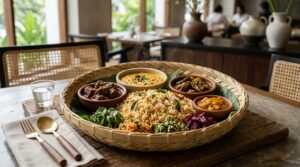
Some meals are remembered for their flavour, while others are special because of the way they bring people together. Kidu Rice is one such dish in Sri Lanka. Known for its generous combination of fragrant rice, curries, vegetables and meat or other accompaniments, this traditional meal has a special place in Sri Lankan Muslim culinary culture.
Often associated with the southern coastal communities, including Galle and Beruwala, Kidu is more than an ordinary rice-and-curry meal. Its distinctive presentation, variety of accompaniments and tradition of sharing make it a memorable part of Sri Lanka’s food heritage.
For anyone who enjoys exploring traditional dishes, Kidu Rice offers an opportunity to discover a meal built around abundance, flavour and togetherness.
What Is Kidu Rice?
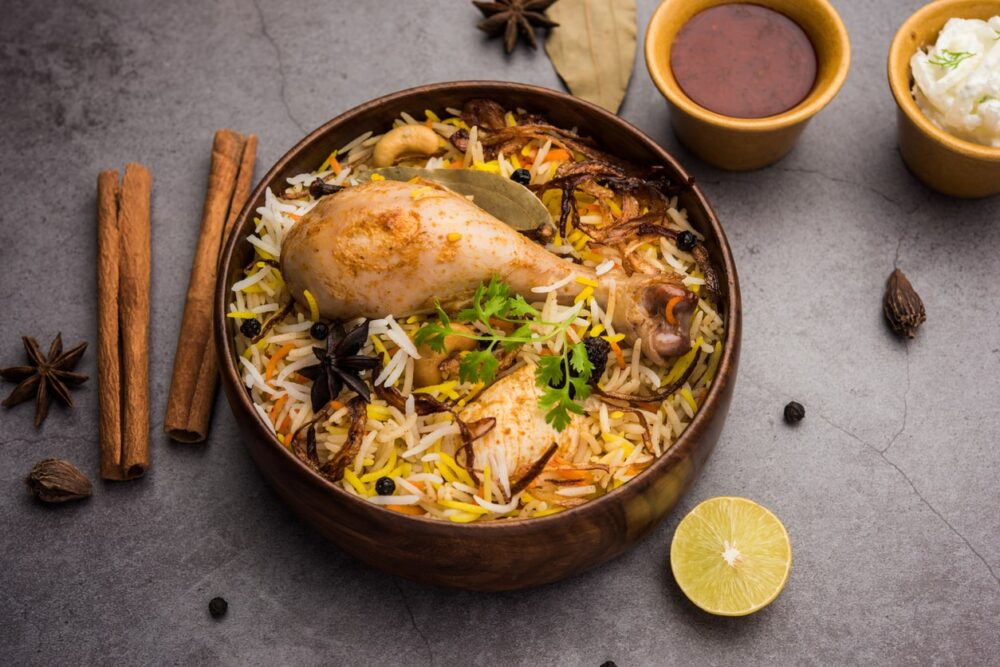
Kidu Rice is a traditional Sri Lankan rice meal commonly associated with the Sri Lankan Moor Muslim community. It typically combines fragrant rice with several curries, vegetable preparations, sambols and meat or fish, depending on the recipe and regional tradition.
The rice is often prepared with ingredients such as ghee or butter, coconut milk and pandan leaves, which contribute to its aroma and richness. The accompaniments are arranged alongside or over portions of rice, creating a varied meal in which different flavours can be enjoyed together.
One of Kidu’s most recognisable features is its traditional presentation in a basket woven from coconut leaves. The rice and accompanying dishes are placed inside, creating a distinctive parcel that is both practical and closely connected to the dish’s cultural identity.
Recipes differ between families, communities and locations. A Kidu prepared in Galle may include a different combination of curries from one prepared in Colombo or Beruwala. There is no single fixed list of accompaniments that applies to every version.
The Cultural Story Behind Kidu Rice
Kidu Rice is closely connected with the food traditions of Sri Lankan Muslim communities, particularly in the southern coastal region. It is commonly associated with communal meals, festive occasions and gatherings where food is shared among family members, friends and guests.
The meal is also known for its connection with Ramadan and gatherings after the daily fast. Depending on the family and occasion, Kidu may be prepared as a generous dinner, served at a special gathering or distributed as part of a communal food tradition.
Its presentation reflects this spirit of sharing. Rather than being simply plated as an individual portion, a traditional Kidu can be prepared in a larger leaf-woven basket, allowing several people to enjoy the meal together.
The number of people served depends on the quantity prepared and the occasion. What remains important is the idea of abundance and hospitality: rice, curries and accompaniments brought together in one carefully prepared meal.
Kidu is also an example of Sri Lanka’s diverse culinary heritage. The island’s food traditions have developed through different communities, regional ingredients and generations of cooking knowledge. Exploring dishes such as Kidu helps food lovers appreciate the variety that exists beyond the island’s most widely known meals.
What Ingredients Are Found in Kidu Rice?
The ingredients vary by region and recipe, but several elements commonly contribute to the character of a Kidu meal.
- Fragrant Rice
Rice forms the foundation of the dish. Depending on the preparation, it may be cooked with ghee or butter, coconut milk and pandan leaves to create a fragrant, rich base.
The rice is usually prepared to complement the accompanying curries rather than compete with them. Its aroma and texture help bring the different components of the meal together.
The exact rice variety and cooking method can vary, so not every Kidu will taste or look identical.
- Meat or Fish Curry
Beef and chicken are common choices in many versions of Kidu Rice. Fish and other alternatives can also be found, depending on the cook and local preferences.
These curries contribute savoury flavours and sauces that can be enjoyed with the rice. Some preparations include fried meat or fish alongside a curry, creating a mixture of textures on the same serving.
The choice of protein often depends on the occasion, family tradition and the style of Kidu being prepared.
- Dhal Curry
Dhal, made from lentils, is a familiar accompaniment in many Sri Lankan meals, and it may appear in Kidu as well.
Its soft texture and gently spiced flavour provide a contrast to richer meat curries and fried accompaniments. When mixed with the rice, dhal also adds moisture to the meal.
- Kaliya Curry
Kaliya is a traditional preparation that commonly features ingredients such as brinjal and ash plantain, cooked together with seasonings. Some versions may include additional ingredients according to regional practice.
Its combination of vegetables and spices contributes a distinctive flavour and texture to the meal. It is one of the accompaniments frequently associated with Kidu, although its presence and exact preparation vary.
- Mango or Ambarella Curry
A tangy fruit curry can bring another layer of flavour to the rice. Mango and ambarella are examples of fruits used in Sri Lankan savoury preparations.
Their sweet-sour character can contrast with the richness of the rice and meat curries. The result is a more varied eating experience, with different accompaniments offering different levels of spice, sweetness and acidity.
- Vegetable Preparations and Sambols
Other accompaniments may include tempered potatoes, vegetable curries, jackfruit preparations, mallung or spicy sambols. The exact combination depends on the region and the cook.
Some versions include a thick mixed vegetable preparation, while others offer several smaller curries arranged around the rice.
This variety is one of the defining features of Kidu: instead of relying on a single curry, the meal brings together several complementary flavours.
Why Is Kidu Rice Served in a Leaf-Woven Basket?
The woven basket is one of the most distinctive features of traditional Kidu Rice. It is commonly made from coconut leaves and gives the meal its characteristic presentation.
The basket holds the rice and accompaniments together in a practical parcel. It also makes the meal easy to carry and distribute, particularly when preparing food for a gathering.
Beyond its practical purpose, the presentation has become an important part of the dish’s identity. Opening a Kidu parcel reveals a generous arrangement of rice and colourful curries, making the meal visually appealing as well as satisfying.
The traditional woven basket should not be confused with an ordinary banana-leaf-wrapped rice parcel. Although both use plant materials for food presentation, Kidu is particularly associated with its woven coconut-leaf container.
Modern restaurants and home cooks may use different serving styles, including plates and contemporary packaging. However, the traditional basket remains a memorable feature of the dish.
How Is Kidu Rice Prepared?
Preparing Kidu involves more than cooking rice and placing a curry beside it. The individual components are usually prepared separately before being arranged together.
- Preparing the Rice
The rice is washed and cooked according to the chosen recipe. Some versions use ghee or butter, coconut milk and pandan leaves to create an aromatic rice preparation.
The rice should have a texture that works well with the accompanying curries. It needs to be cooked properly without becoming excessively wet or mushy.
- Preparing the Curries and Accompaniments
The curries, vegetables, sambols and other accompaniments are prepared separately. Depending on the recipe, these may include meat curry, dhal, kaliya, potato curry and a tangy fruit preparation.
Each component has its own cooking method and seasoning. Preparing them separately allows the cook to develop their individual flavours before bringing them together in the final meal.
The number and type of accompaniments can vary significantly. Some versions are relatively simple, while others contain a generous selection of dishes.
- Arranging the Kidu
Once the rice and accompaniments are ready, they are arranged in the traditional woven basket or another suitable serving container.
The rice forms the main base, with portions of curry and other preparations placed alongside or over it. The arrangement creates a colourful spread in which the different components remain visible.
The meal can then be served for individual enjoyment or shared according to the occasion and local custom.
What Does Kidu Rice Taste Like?
Kidu Rice offers several flavours in one meal rather than a single, uniform taste.
The rice may be fragrant and rich, particularly when prepared with ghee or butter and coconut milk. Meat or fish curry adds savoury depth, while dhal provides a softer, gentler flavour.
Vegetable curries introduce additional textures, and fruit-based accompaniments can bring a tangy or slightly sweet contrast. Sambols may add heat and freshness.
Because the meal includes different preparations, each mouthful can be different. One combination may highlight the rice and curry, while another may bring together tangy fruit, vegetables and a spicy accompaniment.
The overall flavour depends on the recipe, so the experience of Kidu can differ from one household or food outlet to another.
Kidu Rice and the Tradition of Sharing
One of the most meaningful aspects of Kidu is its association with communal dining and hospitality.
A larger Kidu preparation can be arranged for several people to share. In traditional settings, communal eating may involve sitting together and enjoying the food from the shared basket, following the customs of the household or gathering.
This style of serving reflects a broader feature of food culture: meals can bring people together as much as they nourish them.
Kidu is particularly meaningful when prepared for family gatherings, festive occasions or communal events. The effort involved in preparing the rice and several accompaniments can turn the meal into an expression of care and hospitality.
Today, Kidu is also available from restaurants and food businesses, making it possible for more people to experience this traditional meal without preparing every component at home.
Is Kidu Rice the Same Everywhere in Sri Lanka?
No. Regional and family differences are an important part of Kidu’s culinary identity.
The combination of accompaniments can differ between communities. Some versions feature a particular mixed vegetable curry, while others include dhal, potatoes, mango curry, jackfruit preparations or additional meat dishes.
The rice itself may also differ in its seasoning and cooking method. Some cooks favour a rich, fragrant preparation, while others follow a simpler approach that allows the curries to provide most of the flavour.
Serving size and presentation vary, too. A Kidu prepared for a family gathering may be much larger than an individual restaurant portion.
These differences do not necessarily mean that one version is correct and another is wrong. They reflect the ways traditional dishes are maintained and adapted across families, regions and generations.
For food lovers, trying Kidu from different kitchens can be a way to appreciate these variations and learn more about Sri Lanka’s culinary diversity.
Where Can You Enjoy Kidu Rice?
Kidu Rice can be found at selected Sri Lankan restaurants, traditional food businesses and catering services. Availability depends on the location and the occasion, as not every restaurant serves it every day.
Some outlets offer individual portions, while others prepare larger baskets suitable for family meals or group gatherings. It is worth checking the menu and portion size before ordering, particularly if you want to share the meal.
If you are exploring Kidu for the first time, ask about the accompaniments included in the serving. This can help you understand the style of Kidu offered and whether it contains beef, chicken, fish or a vegetable-based selection.
If you have dietary restrictions or food allergies, check the ingredients with the food provider. Different curries and accompaniments may contain ingredients such as dairy, seafood or other allergens.
Final Thoughts
Kidu Rice is a distinctive part of Sri Lanka’s culinary heritage, bringing fragrant rice, a variety of curries and colourful accompaniments together in one generous meal.
Its association with Sri Lankan Muslim food traditions, communal gatherings and the traditional woven coconut-leaf basket makes it more than just another rice dish. It represents a way of preparing and sharing food that has cultural meaning as well as culinary appeal.
From rich meat curries and dhal to tangy fruit preparations and vegetable dishes, every version can offer a different combination of flavours. Regional and family variations make Kidu especially interesting for anyone who enjoys discovering the stories behind traditional food.
If you have never tried it, Kidu Rice is a wonderful dish to add to your Sri Lankan food exploration list.
Looking for delicious Kidu Rice and more culinary discoveries? Explore more Lankaura.
