

Kurakkan Thosai
Categories
Categories
- Afghan Cuisine(1)
- American Cuisine(141)
- Australian Cuisine(6)
- Austrian Cuisine(2)
- Belgian Cuisine(1)
- Brazilian Cuisine(3)
- British Cuisine(35)
- Cakes in Sri Lanka(47)
- Canadian Cuisine(1)
- Chinese Cuisine(85)
- Cocktails in Sri Lanka(18)
- Cuban Cuisine(17)
- Dutch Cuisine(1)
- Egyptian Cuisine(3)
- Filipino Cuisine(3)
- French Cuisine(23)
- German Cuisine(9)
- Greek Cuisine(16)
- Hong Kong Cuisine(1)
- Indian Cuisine(79)
- Indonesian Cuisine(15)
- Innovative Sri Lankan Flavours(5)
- Iranian Cuisine(5)
- Irish Cuisine(2)
- Italian Cuisine(112)
- Japanese Cuisine(13)
- Kazakastani Cuisine(1)
- Korean Cuisine(0)
- Malaysian Cuisine(12)
- Mexican Cuisine(13)
- Modern Culinary Trends(40)
- Moroccan Cuisine(2)
- Omani Cuisine(1)
- Russian Cuisine(2)
- Saudi Arabian Cuisine(1)
- Senegalese Cuisine(1)
- Singapore Cuisine(1)
- Spanish Cuisine(7)
- Sri Lankan Authentic Beverages(37)
- Sri Lankan Authentic Curries(66)
- Sri Lankan Authentic Desserts(6)
- Sri Lankan Authentic Food(78)
- Sri Lankan Authentic Seafood(18)
- Sri Lankan Authentic Snacks(20)
- Sri Lankan Authentic Sweets(20)
- Swiss Cuisine(3)
- Taiwanese Cuisine(9)
- Thai Cuisine(21)
- Turkish Cuisine(11)
- Yemeni Cuisine(2)
Kurakkan Thosai (Finger Millet Dosa)- A Traditional Favourite with a Nutty Flavour
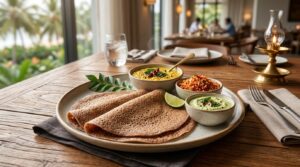
Sri Lankan cuisine is filled with traditional foods made from locally familiar ingredients, and kurakkan is one of the grains that has long been used in everyday cooking. Kurakkan thosai (Sri Lankan style dosa), also known as finger millet dosa, offers a variation of the popular South Asian savoury pancake by incorporating finger millet flour into the batter.
With its earthy aroma, distinctive taste, and versatility, kurakkan thosai is an interesting choice for people who enjoy exploring traditional foods and different ways of preparing familiar dishes. Served with coconut sambol, dhal curry, or a spicy chutney, it brings together regional culinary influences and ingredients enjoyed across Sri Lanka.
What Is Kurakkan Thosai?
Kurakkan thosai is a savoury pancake made using kurakkan flour, which comes from finger millet. It is inspired by thosai, a dish widely associated with South Indian cuisine and enjoyed in Sri Lanka in many forms.
Traditional thosai is commonly prepared using a fermented batter of rice and urad dal. Kurakkan versions vary: some use finger millet flour as the main ingredient, while others combine it with rice flour, wheat flour, or other ingredients to achieve a suitable consistency.
The batter is spread onto a hot, lightly oiled pan and cooked until the thosai develops a firm surface and, depending on the recipe, lightly crisp edges. Its colour is usually darker than that of a conventional rice-based thosai because of the natural colour of finger millet flour.
What Is Kurakkan?
Kurakkan is the Sinhala name for finger millet, a small-grained cereal crop cultivated in Sri Lanka and other parts of Asia and Africa. The grain is commonly ground into flour and used to prepare a variety of traditional foods.
In Sri Lanka, kurakkan flour is associated with preparations such as pittu, roti, porridge, and other home-cooked dishes. Its slightly earthy, nutty flavour gives foods a distinctive character.
Finger millet is also known for containing dietary fibre and minerals, including calcium. Its nutritional composition varies depending on processing and preparation, but it remains an important traditional grain in many food cultures.
How Is Kurakkan Thosai Prepared?
The preparation of kurakkan thosai depends on the recipe. A simple version begins by mixing finger millet flour with water and a little salt to create a smooth batter.
Some recipes combine kurakkan flour with rice flour or other flours to help create a softer texture. Other versions use fermented ingredients or a traditional thosai batter to develop a different flavour and consistency.
Once the batter is ready, a flat pan or griddle is heated and lightly greased. The batter is poured onto the surface and spread into a thin, round shape. It is then cooked until the underside is set and lightly browned before being turned over if necessary.
The finished thosai may be soft and flexible or slightly crisp around the edges, depending on the batter and cooking technique.
What Does Kurakkan Thosai Taste Like?
Kurakkan thosai has a distinctive earthy flavour that differs from conventional rice-based thosai. Finger millet contributes a gentle nuttiness, while other ingredients in the batter can influence its final taste and texture.
When cooked properly, the thosai can have a tender centre with lightly crisp edges. Recipes that include additional flour or fermented batter may produce different textures.
Its flavour pairs well with savoury accompaniments. Coconut sambol adds a spicy, tangy contrast, while dhal curry provides a creamy texture and warming spices. Coconut chutney and other regional accompaniments can also complement the taste.
Popular Accompaniments for Kurakkan Thosai
Kurakkan thosai can be served with a variety of traditional accompaniments, making it suitable for breakfast, lunch, or dinner.
- Coconut Sambol – Grated coconut mixed with chilli, onion, lime, and seasonings adds a fresh and spicy contrast to the earthy flavour of finger millet.
- Dhal Curry – A bowl of dhal curry provides a comforting accompaniment with a creamy consistency and aromatic spices.
- Coconut Chutney – This familiar thosai accompaniment offers a smooth, mildly sweet coconut flavour that balances the savoury pancake.
- Spicy Curry – Vegetable or other suitable curries can be served alongside kurakkan thosai for a more substantial meal.
The choice of accompaniment depends on personal preference and the cooking traditions followed at home or in the restaurant.
Kurakkan Thosai in Sri Lankan Food Culture
Kurakkan has a long-standing place in Sri Lankan food traditions, particularly in dishes prepared using traditional grains and flour. Its use in thosai demonstrates how familiar ingredients can be incorporated into different culinary preparations.
Thosai itself is enjoyed across Sri Lanka, with variations influenced by household recipes, regional food traditions, and individual preferences. Using kurakkan creates another option for people who enjoy its distinctive flavour or want to explore alternatives to conventional thosai.
From home kitchens to restaurants serving South Asian dishes, different thosai varieties demonstrate the diversity of everyday food culture.
Final Thoughts
Kurakkan thosai combines the familiar appeal of thosai with the distinctive earthy flavour of finger millet. Its versatility allows it to be served with coconut sambol, dhal curry, chutney, and a variety of other accompaniments.
For anyone interested in exploring traditional grains and regional food favourites, kurakkan thosai offers a delicious way to discover another side of Sri Lankan and South Asian cuisine.
Looking for more culinary discoveries? Explore more Lankaura.
