
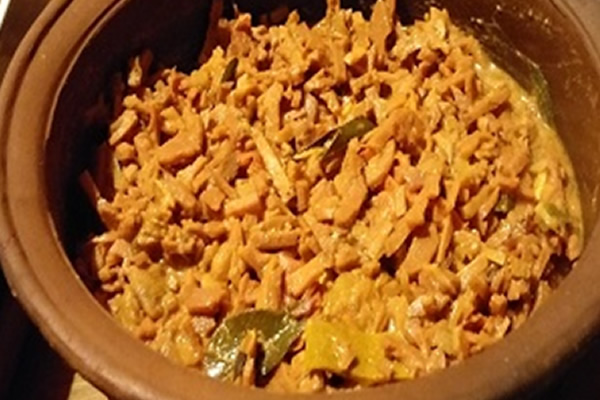
Lasia Root (Kohila) Curry
Categories
Categories
- Afghan Cuisine(1)
- American Cuisine(150)
- Australian Cuisine(7)
- Austrian Cuisine(2)
- Belgian Cuisine(6)
- Brazilian Cuisine(3)
- British Cuisine(38)
- Cakes in Sri Lanka(47)
- Canadian Cuisine(1)
- Chinese Cuisine(85)
- Christmas Flavors(7)
- Cocktails in Sri Lanka(18)
- Cuban Cuisine(17)
- Dutch Cuisine(1)
- Egyptian Cuisine(3)
- Filipino Cuisine(3)
- French Cuisine(23)
- German Cuisine(9)
- Greek Cuisine(16)
- Hong Kong Cuisine(1)
- Indian Cuisine(80)
- Indonesian Cuisine(15)
- Innovative Sri Lankan Flavours(8)
- International Cuisine(1)
- Iranian Cuisine(5)
- Irish Cuisine(2)
- Italian Cuisine(113)
- Japanese Cuisine(13)
- Kazakastani Cuisine(1)
- Korean Cuisine(0)
- Malaysian Cuisine(12)
- Mexican Cuisine(14)
- Modern Culinary Trends(47)
- Moroccan Cuisine(4)
- Omani Cuisine(1)
- Russian Cuisine(2)
- Saudi Arabian Cuisine(1)
- Senegalese Cuisine(1)
- Singapore Cuisine(1)
- Spanish Cuisine(7)
- Sri Lankan Authentic Beverages(39)
- Sri Lankan Authentic Curries(66)
- Sri Lankan Authentic Desserts(6)
- Sri Lankan Authentic Food(78)
- Sri Lankan Authentic Seafood(20)
- Sri Lankan Authentic Snacks(20)
- Sri Lankan Authentic Sweets(20)
- Swiss Cuisine(3)
- Taiwanese Cuisine(9)
- Thai Cuisine(21)
- Turkish Cuisine(11)
- Yemeni Cuisine(2)



Lasia Root (Kohila) Curry- A Traditional Sri Lankan Vegetable Curry
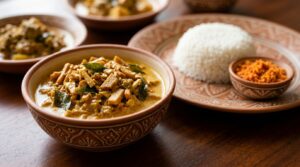
Lasia root, commonly known as kohila in Sri Lanka, is a familiar ingredient in traditional Sri Lankan cooking. Known for its distinctive texture and earthy flavour, kohila is used in several local dishes, including curries and traditional vegetable preparations. One popular way to enjoy it is as a Sri Lankan-style kohila curry, cooked with coconut milk, spices, and aromatic ingredients.
Kohila curry is appreciated for its comforting flavour and its place in everyday home cooking. The combination of tender kohila pieces, creamy coconut milk, curry leaves, and Sri Lankan spices creates a dish that pairs beautifully with steamed rice, red rice, and other traditional accompaniments.
For many Sri Lankan households, kohila is more than just another vegetable. It is an ingredient associated with traditional meals, home gardens, and familiar family recipes. Whether prepared as a mild coconut milk curry or with a stronger blend of spices, kohila offers a delicious way to explore Sri Lanka’s local vegetable cuisine.
What Is Lasia Root (Kohila)?
Kohila is a traditional Sri Lankan edible plant belonging to the Lasia genus. Its edible underground parts and other commonly used portions are included in local food preparations. In Sri Lanka, kohila is especially familiar in traditional cooking, where it is prepared in different ways depending on the region and household.
Lasia root has a distinctive appearance and texture. When prepared properly, it becomes tender while retaining a slightly firm, characteristic bite. Its earthy flavour works well with coconut milk and spices, making it suitable for a variety of Sri Lankan curries.
Kohila is commonly associated with traditional home-cooked meals and is often served alongside rice and other vegetable dishes. Its availability and preparation methods may vary depending on the variety and the part of the plant used.
What Makes Kohila Curry Special?
Kohila curry stands out because of its combination of simple local ingredients and traditional Sri Lankan seasoning. The mild earthy flavour of the root works well with creamy coconut milk, while spices and aromatic leaves add depth to the dish.
Several qualities make kohila curry a favourite in traditional kitchens:
- Traditional ingredient: Kohila is a familiar part of Sri Lankan vegetable cooking.
- Distinctive texture: Properly cooked kohila develops a tender texture with a characteristic bite.
- Coconut-based flavour: Coconut milk creates a creamy curry that complements the vegetable.
- Aromatic spices: Ingredients such as turmeric, chilli, curry leaves, and pandan leaves contribute flavour.
- Versatile serving options: It pairs well with rice, sambol, and other vegetable curries.
The balance of coconut milk and spices is important. A well-prepared kohila curry should allow the natural flavour of the vegetable to remain noticeable while bringing together the richness of the coconut and the aroma of the seasoning.
Ingredients Commonly Used in Sri Lankan Kohila Curry
The exact ingredients and quantities differ between households, but a traditional Sri Lankan kohila curry often includes the following:
Kohila Root
Fresh kohila is the main ingredient. It is cleaned thoroughly, peeled where necessary, and cut into suitable pieces before cooking. The preparation depends on the particular type and edible portion being used.
Coconut Milk
Coconut milk gives the curry its creamy consistency and familiar Sri Lankan flavour. Some recipes use thin coconut milk during the initial cooking stage and thick coconut milk towards the end.
Onions
Onions add sweetness and savoury flavour to the curry. They may be sliced or chopped and cooked with the other aromatics.
Green Chillies
Green chillies provide a fresh chilli flavour. The quantity can be adjusted depending on the preferred level of heat.
Turmeric Powder
Turmeric gives the curry a warm yellow colour and contributes a mild earthy flavour.
Chilli Powder and Other Spices
Chilli powder, curry powder, and other selected spices help create the characteristic flavour of Sri Lankan curry. The combination varies according to family recipes and personal preferences.
Curry Leaves and Pandan Leaves
Curry leaves and pandan leaves, locally known as karapincha and rampe, are commonly used in Sri Lankan cooking. They contribute a distinctive aroma that complements the coconut milk and spices.
Mustard Seeds
Mustard seeds may be used when preparing the tempering. When heated in oil, they release a characteristic flavour that adds another layer to the curry.
How Is Sri Lankan Kohila Curry Prepared?
Although preparation methods vary, kohila curry generally involves cleaning and cutting the vegetable, preparing the seasoning, and simmering everything with coconut milk until tender.
Cleaning and Preparing the Kohila
The kohila should be cleaned carefully to remove dirt and unwanted material. It is then prepared according to the edible portion being used and cut into suitable pieces.
Proper preparation is important because the texture of the finished curry depends partly on how the vegetable is cleaned and cut.
Preparing the Aromatic Base
Oil is heated in a suitable cooking pot. Mustard seeds may be added, followed by onions, green chillies, curry leaves, and pandan leaves.
The ingredients are gently cooked until the onions soften and the aromatics release their fragrance.
Adding the Spices
Turmeric, chilli powder, and the selected curry spices are added to the aromatic mixture. The ingredients are stirred carefully so that the spices combine evenly without burning.
The prepared kohila pieces are then added and mixed with the seasoning.
Cooking with Coconut Milk
Thin coconut milk or water may be added to help cook the kohila. The curry is simmered until the vegetable becomes tender.
Thick coconut milk is often added towards the end to create a richer consistency. The curry is gently heated until the flavours combine and the desired thickness is reached.
Final Seasoning and Serving
Salt and other seasonings are adjusted according to taste. Once the kohila is properly cooked, the curry can be removed from the heat and served warm.
The finished dish should have tender kohila pieces coated in a flavourful coconut-based gravy.
What Is Kohila Curry Served With in Sri Lanka?
Kohila curry is a versatile dish that can be included in a traditional Sri Lankan rice and curry meal. Its creamy texture and earthy flavour complement several popular local foods.
Steamed White Rice
Plain steamed white rice is a familiar pairing. The coconut-based gravy can be mixed with the rice, creating a simple and satisfying meal.
Sri Lankan Red Rice
Red rice is another traditional option. Its distinctive texture and flavour work well with kohila curry and other vegetable dishes.
Parippu Curry
Sri Lankan dhal curry adds a creamy and savoury element to the meal. Together with kohila curry, it creates a combination of different textures and flavours.
Pol Sambol
Pol sambol brings freshness, chilli heat, and a tangy flavour to the plate. Its bold taste contrasts with the mild richness of the coconut-based kohila curry.
Other Vegetable Curries
Kohila curry can also be served with dishes such as potato curry, green bean curry, pumpkin curry, or other seasonal vegetable preparations.
Combining several vegetable dishes creates a colourful and varied Sri Lankan meal.
Tips for Preparing Delicious Kohila Curry
A few practical details can help improve the flavour and texture of homemade kohila curry.
- Clean the kohila carefully: Remove dirt and prepare the edible portions properly before cooking.
- Cut into even pieces: Similar-sized pieces help the vegetable cook more evenly.
- Balance the spices: Adjust chilli and curry powder according to personal preference.
- Cook until tender: Allow sufficient cooking time so the kohila develops a pleasant texture.
- Add thick coconut milk towards the end: This can help maintain a creamy consistency.
- Avoid excessive boiling after adding thick coconut milk: Gentle heating helps prevent the curry from separating.
- Taste before serving: Adjust salt and seasoning to achieve the preferred flavour.
The cooking time can vary depending on the type, size, and maturity of the kohila being used. Following the preparation requirements of the particular variety is important for a good result.
Kohila and Sri Lankan Food Culture
Sri Lankan food culture includes a wide range of locally available vegetables, leafy greens, roots, and traditional ingredients. Kohila is one of the familiar ingredients used in home cooking, particularly in meals that feature a variety of vegetable curries.
Traditional recipes often rely on coconut milk, fresh aromatics, and locally available spices. These ingredients allow vegetables such as kohila to become flavourful dishes that complement rice and other everyday foods.
Kohila curry also reflects the diversity of Sri Lankan home cooking. Different households may use different seasoning combinations, cooking methods, and coconut milk proportions, creating variations of the same familiar dish.
From simple family lunches to traditional rice and curry spreads, kohila continues to be enjoyed as part of Sri Lanka’s diverse vegetable food traditions.
Final Thoughts
Lasia root (kohila) curry is a traditional Sri Lankan vegetable dish that brings together the earthy flavour of kohila, creamy coconut milk, and aromatic local spices. Served with steamed rice, dhal curry, pol sambol, or other vegetable dishes, it offers a comforting taste of Sri Lankan home cooking.
Whether prepared using a family recipe or discovered at a traditional Sri Lankan meal, kohila curry is a delicious way to appreciate the island’s rich variety of local ingredients.
Looking for delicious Sri Lankan food and more culinary discoveries? Explore Lankaura, Sri Lanka’s food discovery platform…!