

Marinara Pizza
Categories
Categories
- Afghan Cuisine(1)
- American Cuisine(141)
- Australian Cuisine(6)
- Austrian Cuisine(2)
- Belgian Cuisine(1)
- Brazilian Cuisine(3)
- British Cuisine(35)
- Cakes in Sri Lanka(47)
- Canadian Cuisine(1)
- Chinese Cuisine(85)
- Cocktails in Sri Lanka(18)
- Cuban Cuisine(17)
- Dutch Cuisine(1)
- Egyptian Cuisine(3)
- Filipino Cuisine(3)
- French Cuisine(23)
- German Cuisine(9)
- Greek Cuisine(16)
- Hong Kong Cuisine(1)
- Indian Cuisine(79)
- Indonesian Cuisine(15)
- Innovative Sri Lankan Flavours(5)
- Iranian Cuisine(5)
- Irish Cuisine(2)
- Italian Cuisine(112)
- Japanese Cuisine(13)
- Kazakastani Cuisine(1)
- Korean Cuisine(0)
- Malaysian Cuisine(12)
- Mexican Cuisine(13)
- Modern Culinary Trends(40)
- Moroccan Cuisine(2)
- Omani Cuisine(1)
- Russian Cuisine(2)
- Saudi Arabian Cuisine(1)
- Senegalese Cuisine(1)
- Singapore Cuisine(1)
- Spanish Cuisine(7)
- Sri Lankan Authentic Beverages(37)
- Sri Lankan Authentic Curries(66)
- Sri Lankan Authentic Desserts(6)
- Sri Lankan Authentic Food(78)
- Sri Lankan Authentic Seafood(18)
- Sri Lankan Authentic Snacks(20)
- Sri Lankan Authentic Sweets(20)
- Swiss Cuisine(3)
- Taiwanese Cuisine(9)
- Thai Cuisine(21)
- Turkish Cuisine(11)
- Yemeni Cuisine(2)
Marinara Pizza – The Classic Italian Pizza Without Cheese
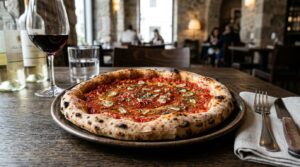
Not every delicious pizza needs a generous layer of melted cheese. Marinara pizza proves that a few carefully chosen ingredients can create a flavourful dish without complicated toppings. Made with a traditional pizza base, tomatoes, garlic, oregano, and olive oil, this Italian favourite celebrates the taste of its ingredients.
Marinara pizza is closely associated with Naples, Italy, where simple pizza traditions have played an important role in local food culture. Its defining feature is the absence of cheese, allowing the tomato sauce, garlic, and herbs to take centre stage.
For pizza lovers who enjoy bold tomato flavours and fragrant seasonings, marinara pizza offers a different experience from the more familiar cheese-topped varieties.
What Is Marinara Pizza?
Marinara pizza is a traditional Neapolitan pizza typically prepared with tomatoes, garlic, oregano, and extra-virgin olive oil on a pizza dough base. Unlike many popular pizzas, it does not traditionally contain mozzarella or other cheese.
Its name can sometimes cause confusion. Although the word “marinara” is also associated with tomato-based sauces served with various dishes, traditional Neapolitan pizza marinara is a distinct pizza style with its own characteristic combination of ingredients.
The traditional version is known for its simplicity. Rather than relying on numerous toppings, it allows the flavour of the tomatoes, the aroma of the garlic, and the fragrance of oregano to stand out.
Recipes can differ slightly between pizzerias, particularly in the type of tomatoes used, the amount of garlic, and the finishing drizzle of olive oil.
The Ingredients Behind Its Flavour
Marinara pizza uses a small number of ingredients, but each one contributes to the final result.
- Tomatoes
Tomatoes provide the main flavour and moisture. Depending on the recipe, they may be crushed, blended, or lightly prepared before being spread over the dough.
A good tomato base brings natural sweetness and acidity without becoming watery. The sauce is generally kept simple so that the garlic and oregano remain noticeable.
- Garlic
Garlic gives marinara pizza its distinctive savoury aroma. It may be thinly sliced or finely prepared, depending on the pizzeria’s style.
As the pizza bakes, the garlic develops a fragrant flavour that complements the tomatoes. The amount needs to be balanced so that it enhances the sauce rather than overpowering it.
- Oregano
Oregano contributes an earthy, aromatic flavour that works particularly well with tomato and garlic. It is one of the characteristic seasonings associated with traditional pizza marinara.
Dried oregano is commonly used because its flavour holds up well during baking.
- Extra-Virgin Olive Oil
Olive oil adds richness and helps carry the flavours of the other ingredients. A light drizzle may be added before baking or used as a finishing touch, depending on the preparation method.
- Pizza Dough
The dough creates the foundation of the dish. Traditional Neapolitan-style dough is baked at high temperatures, producing a crust that is soft and airy in places, with characteristic browning and a tender centre.
The texture depends on the dough, fermentation, oven temperature, and baking technique.
What Does Marinara Pizza Taste Like?
Marinara pizza has a savoury, tomato-forward flavour with a noticeable garlic aroma and the herbal character of oregano.
Because it contains no traditional cheese topping, the taste of the tomato sauce is particularly important. The acidity and sweetness of the tomatoes combine with the garlic and olive oil to create a balanced flavour.
The crust also plays a significant role. A properly baked base can offer a slightly crisp exterior while remaining tender inside, creating a pleasant contrast with the soft tomato topping.
Compared with cheese-heavy pizzas, marinara pizza may feel lighter in flavour and texture. However, its overall richness and nutritional content still depend on the portion size and ingredients used.
How Is Traditional Marinara Pizza Prepared?
Preparation begins with pizza dough that has been allowed to ferment according to the chosen recipe. The dough is then stretched into a round base, taking care to preserve its structure.
A layer of tomato is spread across the centre, leaving a border around the edge. Garlic and oregano are distributed over the sauce, followed by a drizzle of olive oil.
The pizza is baked in a thoroughly heated oven until the crust has developed its characteristic texture and the tomato topping is cooked.
Traditional Neapolitan pizza is associated with very high-temperature oven baking. In a home kitchen, the result will depend on the oven’s maximum temperature, the baking surface, and the dough recipe.
The aim is to cook the base properly while allowing the tomato, garlic, and herbs to retain their distinctive flavours.
Marinara Pizza vs. Margherita Pizza
Marinara and Margherita are both classic Neapolitan pizza styles, but their toppings differ.
Marinara pizza traditionally features tomatoes, garlic, oregano, and olive oil. It does not include cheese.
Margherita pizza is commonly made with tomatoes, mozzarella, basil, and olive oil. The mozzarella provides a creamy texture, while the basil adds a fresh herbal aroma.
The difference is not simply the colour or amount of toppings. Each pizza offers a different balance of flavours: marinara highlights tomato, garlic, and oregano, while Margherita combines tomato with cheese and basil.
Both styles demonstrate how traditional pizza can rely on a small number of well-chosen ingredients.
Is Marinara Pizza Vegetarian or Vegan?
Traditional marinara pizza is generally made with plant-based ingredients: dough, tomatoes, garlic, oregano, and olive oil. It is therefore naturally compatible with a vegan diet when all the ingredients and preparation methods meet vegan requirements.
However, not every restaurant version is guaranteed to be vegan. Dough ingredients, preparation practices, or added toppings can vary, so it is sensible to check with the restaurant if dietary requirements are important.
For people avoiding dairy, the traditional absence of cheese makes marinara pizza an option worth exploring.
Why Is Marinara Pizza Still Popular?
Marinara pizza shows that good flavour does not always require a long list of ingredients. Its appeal lies in the balance between a well-prepared crust, quality tomatoes, fragrant garlic, oregano, and olive oil.
It can also appeal to people who prefer pizza without cheese or want to experience a traditional Neapolitan style. The straightforward topping combination makes the quality of the ingredients and baking technique especially important.
For Sri Lankan food lovers exploring Italian cuisine, marinara pizza offers an opportunity to discover a classic that is different from the heavily topped pizzas commonly found on modern menus.
Looking for delicious marinara pizza and more culinary discoveries? Explore more Lankaura.
