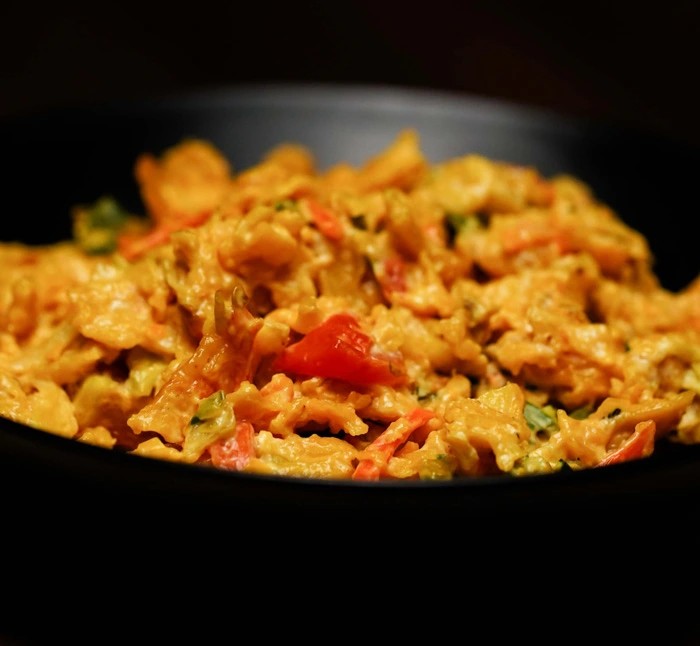
Masala Cheese Kottu
Categories
Categories
- Afghan Cuisine(1)
- American Cuisine(141)
- Australian Cuisine(6)
- Austrian Cuisine(2)
- Belgian Cuisine(1)
- Brazilian Cuisine(3)
- British Cuisine(35)
- Cakes in Sri Lanka(47)
- Canadian Cuisine(1)
- Chinese Cuisine(85)
- Cocktails in Sri Lanka(18)
- Cuban Cuisine(17)
- Dutch Cuisine(1)
- Egyptian Cuisine(3)
- Filipino Cuisine(3)
- French Cuisine(23)
- German Cuisine(9)
- Greek Cuisine(16)
- Hong Kong Cuisine(1)
- Indian Cuisine(79)
- Indonesian Cuisine(15)
- Innovative Sri Lankan Flavours(5)
- Iranian Cuisine(5)
- Irish Cuisine(2)
- Italian Cuisine(112)
- Japanese Cuisine(13)
- Kazakastani Cuisine(1)
- Korean Cuisine(0)
- Malaysian Cuisine(12)
- Mexican Cuisine(13)
- Modern Culinary Trends(40)
- Moroccan Cuisine(2)
- Omani Cuisine(1)
- Russian Cuisine(2)
- Saudi Arabian Cuisine(1)
- Senegalese Cuisine(1)
- Singapore Cuisine(1)
- Spanish Cuisine(7)
- Sri Lankan Authentic Beverages(37)
- Sri Lankan Authentic Curries(66)
- Sri Lankan Authentic Desserts(6)
- Sri Lankan Authentic Food(78)
- Sri Lankan Authentic Seafood(18)
- Sri Lankan Authentic Snacks(20)
- Sri Lankan Authentic Sweets(20)
- Swiss Cuisine(3)
- Taiwanese Cuisine(9)
- Thai Cuisine(21)
- Turkish Cuisine(11)
- Yemeni Cuisine(2)
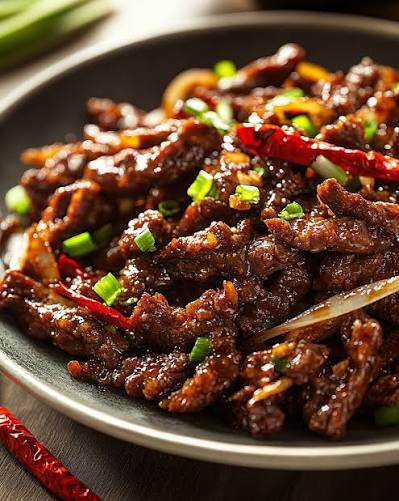
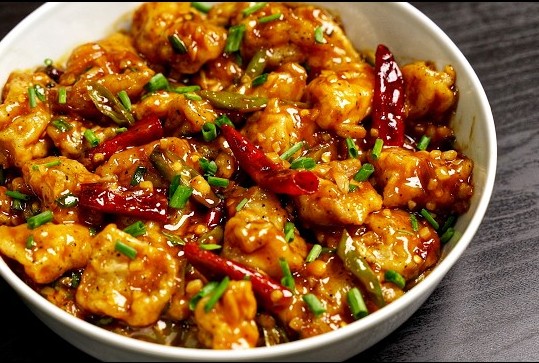
Masala Cheese Kottu – A Spicy and Cheesy Sri Lankan Favourite

Sri Lankan kottu is loved for its satisfying texture, bold spices and the way different ingredients come together on a hot griddle. Among its many variations, Masala Cheese Kottu offers a flavourful combination of spiced vegetables, chopped roti and melted cheese.
This dish brings together the warmth of masala-style seasoning and the creamy taste of cheese. The result is a rich, savoury meal with a little heat, plenty of texture and a delicious balance of flavours. It is a tempting choice for anyone who enjoys spicy food with a cheesy twist.
Although recipes vary between restaurants, Masala Cheese Kottu generally uses chopped godamba roti, vegetables, spices and cheese. Some versions may also include egg, chicken or other ingredients, making it easy to customise according to individual preferences.
What Is Masala Cheese Kottu?
Masala Cheese Kottu is a variation of Sri Lankan kottu roti prepared with a spiced mixture and cheese. Traditional kottu is made by chopping flatbread into small pieces and stir-frying it with vegetables, seasonings and optional additions such as egg or meat.
In this version, masala-style spices give the dish its distinctive flavour, while cheese adds creaminess and richness. The roti absorbs the seasoning as it cooks, allowing the flavours to spread throughout the dish.
The word masala generally refers to a blend of spices or a spiced preparation. The exact mixture used in Masala Cheese Kottu can differ from one cook to another. Some versions may be fragrant and moderately spicy, while others have a stronger chilli flavour.
Cheese is the other important ingredient. As it melts into the hot kottu, it creates a softer, creamier texture that complements the spices. The combination makes this dish different from a regular vegetable kottu or a simple cheese kottu.
Ingredients That Give Masala Cheese Kottu Its Flavour
The ingredients used in Masala Cheese Kottu depend on the recipe, but several components help create its characteristic taste.
- Godamba Roti
Godamba roti is the main ingredient in many traditional Sri Lankan kottu dishes. It is chopped into small pieces so that it can be mixed evenly with the vegetables, spices and cheese. Its soft, slightly chewy texture gives the dish its familiar kottu character.
- Masala Spices
The masala seasoning is responsible for much of the dish’s flavour. Depending on the recipe, it may include combinations of coriander, cumin, turmeric, chilli powder, black pepper and other spices. The proportions vary, so the finished dish may be mild, aromatic or quite spicy.
- Cheese
Cheese adds a creamy, savoury element to the kottu. It melts through the hot roti and other ingredients, giving the dish a richer texture. The type and quantity of cheese can influence the final taste.
- Vegetables
Onions, carrots, leeks, cabbage and green chillies are possible additions. They provide colour, texture and extra flavour while balancing the richness of the cheese.
- Aromatics and Seasonings
Ginger, garlic and curry leaves may be used to build flavour. Salt, pepper and other seasonings help bring the ingredients together.
- Optional Additions
Some versions include egg, chicken or other proteins. These additions can make the dish more substantial, but the ingredients depend on the restaurant or recipe.
How Is Masala Cheese Kottu Prepared?
Masala Cheese Kottu is generally prepared on a hot griddle or in a large pan.
First, the godamba roti is chopped into small pieces. Oil is heated, and aromatic ingredients such as onions, ginger, garlic and curry leaves are cooked until fragrant. The vegetables are then added and stir-fried until they begin to soften.
Next, the masala spices and other seasonings are mixed in. The chopped roti is added and tossed with the vegetables, allowing it to absorb the flavour of the spice mixture. If the recipe includes egg or cooked meat, these ingredients are incorporated at the appropriate stage.
Cheese is added towards the end so that it can melt into the hot mixture. The ingredients are then mixed until the cheese is distributed throughout the kottu.
The finished dish should have a balance of textures: soft and slightly chewy pieces of roti, tender vegetables, fragrant spices and melted cheese. The exact consistency depends on the amount of cheese, oil and other ingredients used.
What Does Masala Cheese Kottu Taste Like?
The taste of Masala Cheese Kottu combines warm spices with the rich, savoury flavour of melted cheese.
The masala seasoning gives the dish its aromatic and sometimes spicy character. Depending on the blend, it may offer earthy, peppery or gently sweet spice notes. Onions and other vegetables contribute their own flavours, while the roti absorbs the seasoning.
Cheese adds creaminess and helps soften the intensity of the spices. Rather than tasting exactly like traditional kottu, the cheesy version has a richer finish and a different texture.
The level of heat varies between recipes. Some preparations use plenty of chilli, while others focus more on the fragrance of the spices than on strong heat. This makes it worth checking the spice level when ordering, especially if you prefer milder food.
Masala Cheese Kottu vs. Regular Cheese Kottu
Both dishes combine chopped roti with cheese, but the seasoning creates an important difference.
Regular Cheese Kottu focuses on the combination of roti, cheese, vegetables and other chosen ingredients. Its flavour depends on the seasonings used by the cook.
Masala Cheese Kottu places greater emphasis on masala-style spices. These seasonings give it a more pronounced spiced flavour, which works alongside the creamy cheese.
Neither version has one fixed recipe. Restaurants may use different spice blends, cheese varieties and ingredient combinations, so the taste can vary from place to place.
Why Do Cheese and Masala Work Well Together?
Cheese and spices can complement each other in several ways. The savoury richness of cheese balances the strong flavours of many spices, while the spices help prevent the dish from tasting one-dimensional.
In Masala Cheese Kottu, the chopped roti provides a base that carries both elements. The seasoning spreads across the roti, vegetables and other ingredients, while the melted cheese adds richness to the mixture.
The result is a dish that combines familiar Sri Lankan kottu textures with a flavour profile influenced by masala seasoning. It is especially appealing to people who enjoy meals that are both spicy and creamy.
Tips for Enjoying Masala Cheese Kottu
For the best experience, choose a version with a good balance of seasoning and cheese. Too much cheese can make the dish feel heavy, while excessive spice may overpower the other flavours. A well-prepared plate allows the masala, vegetables and cheese to complement one another.
You can choose a vegetable-based version or one that includes egg, chicken or another protein. If you have dietary restrictions or food allergies, check the ingredients with the restaurant before ordering. A dish described as vegetable kottu may still contain egg or animal-based ingredients, depending on its preparation.
Masala Cheese Kottu is often filling enough to enjoy as a main meal. Its richness also makes portion size worth considering, particularly if it contains generous amounts of cheese and oil.
A Cheesy Twist on a Sri Lankan Favourite
Masala Cheese Kottu brings together the familiar appeal of Sri Lankan kottu and the rich taste of melted cheese, with masala spices adding warmth and depth. Its combination of chopped roti, vegetables and seasoning makes it a satisfying option for anyone looking for something different from ordinary kottu.
Whether enjoyed at a restaurant or prepared at home, this dish shows how a familiar food can be adapted with different seasonings and ingredients. The balance of spice and cheese is what makes it stand out.
Looking for delicious Masala Cheese Kottu and more culinary discoveries? Explore more Lankaura.