

Mixed Dolphin Kottu
Categories
Categories
- Afghan Cuisine(1)
- American Cuisine(141)
- Australian Cuisine(6)
- Austrian Cuisine(2)
- Belgian Cuisine(1)
- Brazilian Cuisine(3)
- British Cuisine(35)
- Cakes in Sri Lanka(47)
- Canadian Cuisine(1)
- Chinese Cuisine(85)
- Cocktails in Sri Lanka(18)
- Cuban Cuisine(17)
- Dutch Cuisine(1)
- Egyptian Cuisine(3)
- Filipino Cuisine(3)
- French Cuisine(23)
- German Cuisine(9)
- Greek Cuisine(16)
- Hong Kong Cuisine(1)
- Indian Cuisine(79)
- Indonesian Cuisine(15)
- Innovative Sri Lankan Flavours(5)
- Iranian Cuisine(5)
- Irish Cuisine(2)
- Italian Cuisine(112)
- Japanese Cuisine(13)
- Kazakastani Cuisine(1)
- Korean Cuisine(0)
- Malaysian Cuisine(12)
- Mexican Cuisine(13)
- Modern Culinary Trends(40)
- Moroccan Cuisine(2)
- Omani Cuisine(1)
- Russian Cuisine(2)
- Saudi Arabian Cuisine(1)
- Senegalese Cuisine(1)
- Singapore Cuisine(1)
- Spanish Cuisine(7)
- Sri Lankan Authentic Beverages(37)
- Sri Lankan Authentic Curries(66)
- Sri Lankan Authentic Desserts(6)
- Sri Lankan Authentic Food(78)
- Sri Lankan Authentic Seafood(18)
- Sri Lankan Authentic Snacks(20)
- Sri Lankan Authentic Sweets(20)
- Swiss Cuisine(3)
- Taiwanese Cuisine(9)
- Thai Cuisine(21)
- Turkish Cuisine(11)
- Yemeni Cuisine(2)
Mixed Dolphin Kottu- A Loaded Sri Lankan Street Food Favourite
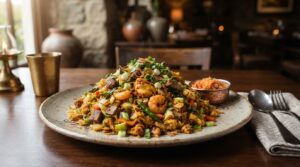
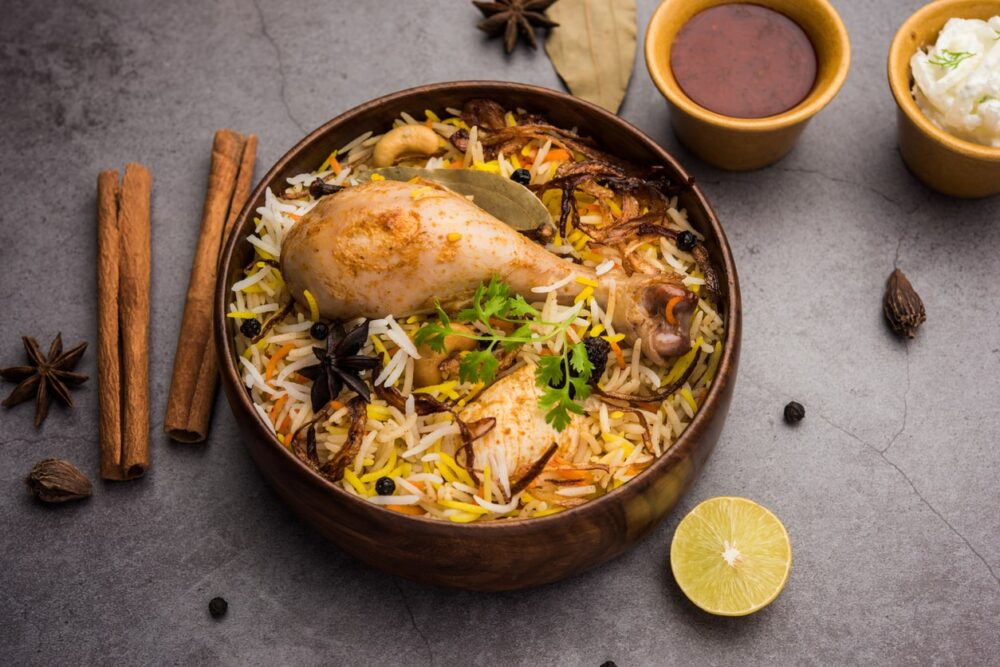
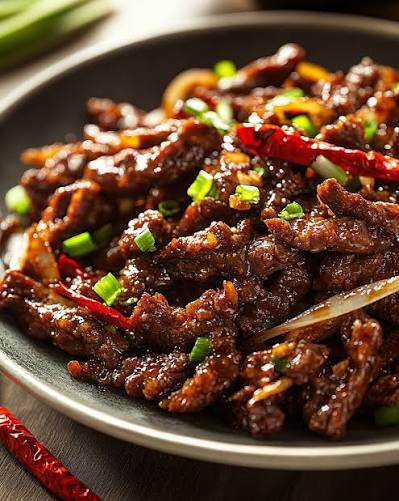
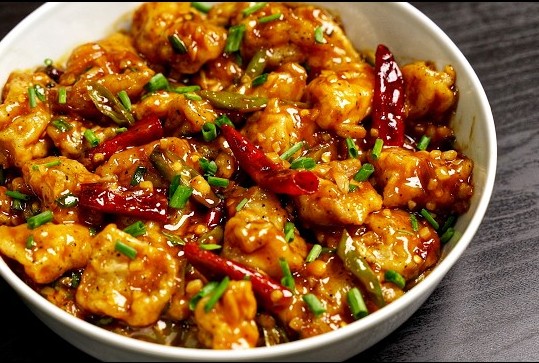
Mixed dolphin kottu is a hearty Sri Lankan dish known for its chopped roti, rich flavours and generous combination of ingredients. Popular among food lovers who enjoy filling, flavour-packed meals, this dish brings together finely chopped godamba roti, vegetables, eggs, meat and seafood, all cooked together on a hot griddle.
In Sri Lanka, kottu is more than just a meal. The rhythmic sound of metal blades chopping roti against a hot cooking surface has become a familiar part of the country’s street food culture. From small roadside shops to busy restaurants, kottu is enjoyed by people looking for a satisfying meal with plenty of flavour.
Mixed dolphin kottu offers a variation for those who want more than one type of protein in their dish. Depending on the restaurant’s recipe, it may include chicken, beef, seafood or other meat and seafood combinations. The result is a generous serving with a mixture of textures, savoury seasonings and the unmistakable taste of freshly prepared kottu.
What Is Mixed Dolphin Kottu?
Mixed dolphin kottu is a variation of Sri Lankan kottu made with chopped roti and a combination of ingredients rather than a single meat or seafood option. The term “mixed” generally refers to the variety of proteins included in the dish, although the exact combination can differ from one restaurant to another.
Dolphin kottu is associated with a style of kottu made using chopped godamba roti, typically cut into smaller pieces and cooked with sauces, vegetables and other ingredients. It is different from the traditional preparation of plain vegetable kottu or a single-protein chicken kottu because of its distinctive combination and preparation style.
A mixed version may contain chicken, beef, prawns, cuttlefish or other seafood, depending on the establishment. Eggs, onions, carrots, leeks and cabbage can also be added to build flavour and texture.
Because recipes are not identical everywhere, it is always worth checking a restaurant’s menu to find out which ingredients are included in its mixed dolphin kottu.
The Roti That Makes Kottu Special
One of the most important ingredients in dolphin kottu is godamba roti. This thin, soft flatbread is commonly used in Sri Lankan kottu dishes because it can be chopped into small pieces and cooked with other ingredients.
Unlike a meal served with whole flatbreads, kottu combines the roti directly with the accompanying ingredients. As everything cooks together, the roti absorbs some of the seasonings, sauces and flavours from the meat, seafood and vegetables.
For dolphin kottu, the roti is often cut into small strips or pieces before being added to the hot cooking surface. The cook then mixes and chops it with the other ingredients until everything is distributed throughout the dish.
The quality of the roti makes a noticeable difference. It should be soft enough to mix easily while maintaining enough texture to avoid becoming overly mushy. When prepared well, the roti provides a satisfying base for the different flavours in the dish.
What Goes Into Mixed Dolphin Kottu?
The ingredients used in mixed dolphin kottu vary according to the restaurant and its particular recipe. However, several components are commonly associated with this type of dish.
Godamba roti: The foundation of the meal, providing the chopped flatbread texture that defines kottu.
Chicken and beef: Some versions combine different meats to create a richer and more substantial serving. The meat is usually cut into small pieces so that it mixes easily with the roti.
Seafood: Prawns, cuttlefish or other seafood may be included to provide additional flavour and texture. The combination depends on the restaurant’s recipe.
Eggs: Eggs can add richness and help bring the ingredients together during cooking.
Vegetables: Onions, carrots, cabbage, leeks and other vegetables may be used to add colour, texture and flavour.
Sauces and seasonings: Chilli, curry spices, pepper, sauces and other seasonings contribute to the dish’s savoury character. Some restaurants prepare a spicier version, while others offer a milder taste.
The combination of these ingredients makes mixed dolphin kottu a versatile menu choice. Each restaurant may have its own balance of roti, meat, seafood, vegetables and seasoning, giving diners different versions to explore.
How Mixed Dolphin Kottu Is Prepared
Preparing mixed dolphin kottu requires a hot cooking surface, carefully prepared ingredients and constant mixing.
First, the godamba roti is cut into small pieces. The selected meats and seafood are prepared separately as needed, while vegetables are sliced and the other ingredients are arranged for cooking.
A large, flat griddle is heated, and ingredients such as onions, vegetables, eggs, meat and seafood are cooked with the required seasonings. The chopped roti is added and mixed into the ingredients.
Using metal blades, the cook repeatedly chops and turns the mixture across the hot surface. This familiar technique distributes the ingredients throughout the roti and allows the flavours to combine.
The dish is cooked until the ingredients are heated through and the roti has absorbed the seasonings. Timing is particularly important when different proteins are used, as chicken, beef and seafood have different cooking requirements.
A well-prepared mixed dolphin kottu should have a balanced mixture of ingredients in each serving. Rather than leaving all the meat or seafood in one section, the chopping and mixing process helps distribute the different components throughout the dish.
What Makes Mixed Dolphin Kottu Different?
The main appeal of mixed dolphin kottu is the variety it offers in a single meal. A chicken kottu focuses on chicken, while a seafood kottu highlights seafood. A mixed version may bring several proteins together, creating a more varied eating experience.
The chopped roti also plays an important role. It absorbs the surrounding seasonings while providing a soft, substantial base. Vegetables offer additional texture, and the meat and seafood bring their own flavours to the mixture.
Another appealing feature is the cooking process. Preparing kottu on a hot griddle allows the cook to mix the ingredients continuously, creating a dish in which the components are combined rather than served separately.
The exact flavour depends on the recipe, particularly the seasoning, sauce and choice of proteins. Some versions may be rich and peppery, while others lean towards a stronger chilli flavour.
For people who enjoy trying several flavours in one dish, mixed dolphin kottu can be an interesting alternative to more traditional kottu varieties.
Is Mixed Dolphin Kottu Spicy?
Mixed dolphin kottu can range from mildly seasoned to very spicy. Its heat level depends on the amount of chilli, pepper and other seasonings used by the cook.
Some restaurants prepare kottu with a strong chilli kick, while others focus more on savoury flavours. Sauces and curry-based seasonings may also influence the overall taste.
If you prefer milder food, ask the restaurant whether it can reduce the chilli. If you enjoy spicy Sri Lankan dishes, you may prefer a version with extra chilli or pepper.
It is also useful to ask about the sauces used, especially if you have particular ingredient preferences or dietary restrictions. Restaurant recipes differ, so the name alone does not guarantee a specific spice level or ingredient combination.
When to Enjoy Mixed Dolphin Kottu
Mixed dolphin kottu is a popular choice for lunch or dinner when you want a substantial meal. Its combination of roti, vegetables and different proteins makes it a filling option for people with a hearty appetite.
It is also well suited to sharing, depending on the portion size. Some restaurants offer larger servings that can be enjoyed by a group, while individual portions are available at many kottu shops.
For visitors exploring Sri Lankan food, ordering kottu from a local restaurant can be an enjoyable way to experience one of the country’s recognisable street food traditions. Watching the preparation can be part of the experience, particularly in establishments where the cooking takes place in an open area.
When ordering mixed dolphin kottu, check the menu description to confirm the proteins included, the portion size and the available spice levels. This helps you choose a version that matches your preferences.
Mixed Dolphin Kottu and Sri Lankan Street Food Culture
Kottu has become one of the most recognisable dishes in Sri Lankan everyday food culture. Its popularity comes from its adaptability, satisfying portions and the ability to combine familiar ingredients in different ways.
Restaurants and roadside food shops offer many variations, including vegetable, egg, chicken, beef, seafood and mixed kottu. These options allow diners to choose according to their taste, appetite and preferred ingredients.
Dolphin kottu adds another variation to this wider selection. While recipes differ between establishments, its chopped-roti preparation and combination of ingredients make it a distinctive choice on many menus.
For Sri Lankan diners, kottu can be a familiar comfort food. For travellers, it offers an opportunity to experience a dish that is closely associated with the country’s casual dining scene.
Exploring different kottu varieties is also a way to discover how restaurants adapt a traditional food preparation method to suit changing tastes and ingredient combinations.
Final Thoughts
Mixed dolphin kottu brings together chopped godamba roti, vegetables, seasonings and a combination of meats or seafood in one hearty Sri Lankan meal. Its variety of textures, savoury flavours and freshly prepared ingredients make it an appealing option for people who enjoy a generous serving of kottu.
Since the ingredients and spice levels can vary between restaurants, checking the menu is the best way to find a version that suits your taste. Whether you are a longtime kottu fan or exploring Sri Lankan street food for the first time, mixed dolphin kottu is a dish worth discovering.
Looking for delicious Sri Lankan food and more culinary discoveries? Explore Lankaura, Sri Lanka’s food discovery platform…!

