

Mung Kiribath (Green Gram Milk Rice)
Categories
Categories
- Afghan Cuisine(1)
- American Cuisine(141)
- Australian Cuisine(6)
- Austrian Cuisine(2)
- Belgian Cuisine(1)
- Brazilian Cuisine(3)
- British Cuisine(35)
- Cakes in Sri Lanka(47)
- Canadian Cuisine(1)
- Chinese Cuisine(85)
- Cocktails in Sri Lanka(18)
- Cuban Cuisine(17)
- Dutch Cuisine(1)
- Egyptian Cuisine(3)
- Filipino Cuisine(3)
- French Cuisine(23)
- German Cuisine(9)
- Greek Cuisine(16)
- Hong Kong Cuisine(1)
- Indian Cuisine(79)
- Indonesian Cuisine(15)
- Innovative Sri Lankan Flavours(5)
- Iranian Cuisine(5)
- Irish Cuisine(2)
- Italian Cuisine(112)
- Japanese Cuisine(13)
- Kazakastani Cuisine(1)
- Korean Cuisine(0)
- Malaysian Cuisine(12)
- Mexican Cuisine(13)
- Modern Culinary Trends(40)
- Moroccan Cuisine(2)
- Omani Cuisine(1)
- Russian Cuisine(2)
- Saudi Arabian Cuisine(1)
- Senegalese Cuisine(1)
- Singapore Cuisine(1)
- Spanish Cuisine(7)
- Sri Lankan Authentic Beverages(37)
- Sri Lankan Authentic Curries(66)
- Sri Lankan Authentic Desserts(6)
- Sri Lankan Authentic Food(78)
- Sri Lankan Authentic Seafood(18)
- Sri Lankan Authentic Snacks(20)
- Sri Lankan Authentic Sweets(20)
- Swiss Cuisine(3)
- Taiwanese Cuisine(9)
- Thai Cuisine(21)
- Turkish Cuisine(11)
- Yemeni Cuisine(2)
Mung Kiribath (Green Gram Milk Rice)- A Traditional Sri Lankan Rice Dish
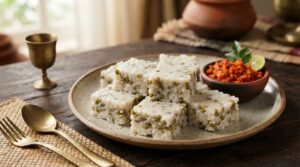
Mung kiribath is a traditional Sri Lankan dish made by combining rice with green gram and cooking them together with coconut milk. Known for its soft texture, creamy flavour, and comforting simplicity, this dish is enjoyed by people who appreciate traditional Sri Lankan home cooking.
Kiribath, or milk rice, is an important part of Sri Lankan food culture, particularly during celebrations, auspicious occasions, and family gatherings. Adding green gram creates a variation with a distinctive taste and texture, bringing together the familiar richness of coconut milk and the earthy flavour of legumes.
Mung kiribath can be enjoyed for breakfast, served as part of a traditional meal, or prepared for special occasions. It is often paired with lunu miris, katta sambol, or other savoury accompaniments that balance the mild flavour of the rice.
What Is Mung Kiribath?
Mung kiribath is a Sri Lankan-style milk rice preparation made with rice, green gram, coconut milk, and salt. Green gram, also known as mung beans, adds a slightly nutty flavour and a different texture from ordinary kiribath.
In a typical preparation, the green gram is cooked until tender, while the rice is cooked until soft. Coconut milk is added to bring the ingredients together, creating a rich mixture that can be shaped and served once it reaches the desired consistency.
The exact method varies between households. Some cooks prepare the green gram separately before combining it with the rice, while others adapt the cooking process according to the type of rice and the texture they prefer.
Unlike plain kiribath, which mainly highlights the flavour of rice and coconut milk, mung kiribath includes the additional taste and texture of green gram. This makes it a distinctive variation of a familiar Sri Lankan favourite.
Ingredients Used to Prepare Mung Kiribath
The traditional ingredients for mung kiribath are simple and widely used in Sri Lankan kitchens.
-
Rice: The main ingredient, providing the soft and cohesive base of the dish.
-
Green gram: Adds its characteristic flavour and texture.
-
Coconut milk: Gives the kiribath its creamy consistency and rich coconut flavour.
-
Salt: Balances the taste and enhances the natural flavours of the ingredients.
-
Water: Used to cook the rice and green gram to the appropriate tenderness.
The proportions can vary depending on personal preference. Some people prefer a higher proportion of rice, while others enjoy a more noticeable amount of green gram throughout the dish.
Fresh coconut milk is used in many traditional preparations, although other suitable coconut milk options may be used for convenience.
How Is Mung Kiribath Prepared?
Preparing mung kiribath involves cooking the rice and green gram until tender, combining them with coconut milk, and allowing the mixture to reach a consistency suitable for serving.
Preparing the Green Gram
Green gram is generally washed and checked for any unwanted particles before cooking. Depending on the recipe, it may be soaked beforehand to help reduce cooking time.
The green gram is then cooked in water until tender. It should retain enough shape to provide texture without remaining hard or undercooked.
Cooking the Rice
Rice is washed and cooked with water until the grains become soft. The amount of water and cooking time depend on the rice variety being used.
For kiribath, the rice is generally cooked to a soft, cohesive consistency rather than the separate grains preferred for some other rice dishes.
Combining the Ingredients
Once the rice and green gram are suitably cooked, they are combined with coconut milk and salt. The mixture is cooked gently so that the coconut milk blends with the rice and green gram.
The mixture should become thick and cohesive without becoming excessively dry or watery. Stirring carefully helps distribute the green gram evenly throughout the rice.
Shaping and Serving
When the mixture reaches the desired consistency, it can be transferred to a shallow plate or tray. It is spread evenly and allowed to cool slightly before being cut into pieces, if that is the preferred serving style.
Mung kiribath can also be served directly while warm. The finished dish should have a soft texture, a pleasant coconut aroma, and green gram distributed throughout.
What Does Mung Kiribath Taste Like?
Mung kiribath combines the mild flavour of cooked rice with the creamy richness of coconut milk and the earthy, slightly nutty taste of green gram.
Its texture is one of its defining features. The rice creates a soft, cohesive base, while the green gram adds a gentle firmness that makes each bite slightly different from plain milk rice.
The dish is usually mild rather than strongly spiced. This allows it to pair well with savoury accompaniments that provide heat, acidity, or a more intense flavour.
For people familiar with ordinary kiribath, mung kiribath offers a variation that keeps the traditional character of milk rice while introducing another familiar ingredient from Sri Lankan cooking.
Popular Accompaniments for Mung Kiribath
Mung kiribath can be enjoyed on its own, but savoury accompaniments add contrast and make the meal more flavourful.
Lunu Miris
Lunu miris is a popular Sri Lankan accompaniment made with ingredients such as chilli, onion, salt, and lime. Its strong, spicy flavour contrasts with the creamy and mild taste of mung kiribath.
For people who enjoy traditional Sri Lankan food with a little heat, this combination is a satisfying choice.
Katta Sambol
Katta sambol is another spicy accompaniment that can be served with milk rice. Its chilli-forward flavour gives the mild rice mixture a stronger taste and creates a contrast in every bite.
The level of heat can be adjusted according to personal preference.
Pol Sambol
Pol sambol, prepared with grated coconut, chilli, onion, and a souring ingredient such as lime, offers a fresh and spicy combination.
Its coconut flavour complements the coconut milk in the kiribath, while the chilli and acidity add contrast.
Sri Lankan Curries
Mung kiribath may also be served alongside selected vegetable or other savoury curries. The choice depends on the household’s preferences and the occasion.
A flavourful curry can turn the dish into a more substantial meal, while a simple sambol allows the taste of the green gram and coconut milk to remain at the centre.
When Is Mung Kiribath Enjoyed in Sri Lanka?
Kiribath has a special place in Sri Lankan food culture. It is commonly associated with celebrations, religious and cultural occasions, new beginnings, and family gatherings. Plain kiribath is especially familiar as a traditional food served during Sinhala and Tamil New Year celebrations, although customs differ between households and communities.
Mung kiribath offers another way to enjoy the broader tradition of milk rice. It can be prepared for a family breakfast, served during a special gathering, or enjoyed as part of an everyday meal.
Its suitability for sharing makes it convenient for occasions when food is prepared for several people. Once set on a tray, it can be divided into portions, making it easy to serve alongside sambol and other dishes.
The dish also reflects the role of rice, coconut, and legumes in traditional Sri Lankan cooking, where familiar ingredients are combined in different ways to create a variety of meals.
Tips for Making Delicious Mung Kiribath
A few simple considerations can help achieve a good texture and balanced flavour.
-
Cook the green gram until tender: The beans should not remain hard when mixed with the rice.
-
Choose a suitable rice variety: Rice that cooks to a soft, cohesive texture works well for kiribath.
-
Use coconut milk carefully: Add enough to create the desired richness without leaving the mixture too wet.
-
Season with salt: A suitable amount of salt helps balance the mild flavours.
-
Cook gently after combining: Gentle heat helps the ingredients come together without sticking excessively to the bottom of the pot.
-
Allow it to set before cutting: If serving in pieces, give the kiribath time to cool slightly and firm up.
The final texture depends on the ingredients, their proportions, and the cooking method. Adjusting these details can help create a version that suits the family’s preferred style.
Mung Kiribath and Sri Lankan Food Culture
Sri Lankan cuisine makes extensive use of rice, coconut, pulses, and locally familiar seasonings. These ingredients appear in everyday meals as well as dishes prepared for celebrations and cultural occasions.
Mung kiribath brings several of these ingredients together in a single preparation. It combines the familiarity of milk rice with the texture and flavour of green gram, creating a variation that fits naturally into the wider tradition of Sri Lankan home cooking.
Its appeal lies in its simplicity. The ingredients are familiar, the flavour is adaptable, and the dish can be served in different ways depending on the occasion. Whether prepared for a family meal or a gathering, mung kiribath offers a taste of the traditional foods that continue to be enjoyed across Sri Lanka.
Final Thoughts
Mung kiribath is a comforting Sri Lankan dish that combines rice, green gram, and coconut milk to create a creamy, satisfying variation of traditional milk rice. Enjoyed with lunu miris, katta sambol, pol sambol, or a suitable curry, it offers a delicious balance of mild flavours and savoury accompaniments.
Whether you already enjoy kiribath or are discovering this green gram variation for the first time, mung kiribath is a wonderful example of the variety found in Sri Lankan food traditions.
Looking for delicious Sri Lankan food and more culinary discoveries? Explore Lankaura, Sri Lanka’s food discovery platform…!
Follow Lankaura on Facebook, Instagram and TikTok.
