

Pepper Pork
Categories
Categories
- Afghan Cuisine(1)
- American Cuisine(141)
- Australian Cuisine(6)
- Austrian Cuisine(2)
- Belgian Cuisine(1)
- Brazilian Cuisine(3)
- British Cuisine(35)
- Cakes in Sri Lanka(47)
- Canadian Cuisine(1)
- Chinese Cuisine(85)
- Christmas Flavors(7)
- Cocktails in Sri Lanka(18)
- Cuban Cuisine(17)
- Dutch Cuisine(1)
- Egyptian Cuisine(3)
- Filipino Cuisine(3)
- French Cuisine(23)
- German Cuisine(9)
- Greek Cuisine(16)
- Hong Kong Cuisine(1)
- Indian Cuisine(79)
- Indonesian Cuisine(15)
- Innovative Sri Lankan Flavours(5)
- Iranian Cuisine(5)
- Irish Cuisine(2)
- Italian Cuisine(112)
- Japanese Cuisine(13)
- Kazakastani Cuisine(1)
- Korean Cuisine(0)
- Malaysian Cuisine(12)
- Mexican Cuisine(13)
- Modern Culinary Trends(40)
- Moroccan Cuisine(2)
- Omani Cuisine(1)
- Russian Cuisine(2)
- Saudi Arabian Cuisine(1)
- Senegalese Cuisine(1)
- Singapore Cuisine(1)
- Spanish Cuisine(7)
- Sri Lankan Authentic Beverages(38)
- Sri Lankan Authentic Curries(66)
- Sri Lankan Authentic Desserts(6)
- Sri Lankan Authentic Food(78)
- Sri Lankan Authentic Seafood(19)
- Sri Lankan Authentic Snacks(20)
- Sri Lankan Authentic Sweets(20)
- Swiss Cuisine(3)
- Taiwanese Cuisine(9)
- Thai Cuisine(21)
- Turkish Cuisine(11)
- Yemeni Cuisine(2)


Pepper Pork- A Spicy Sri Lankan Pork Dish Full of Bold Flavours
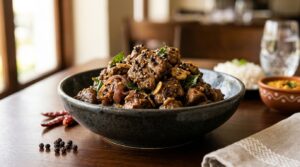
Pepper pork is a delicious dish enjoyed by people who love rich, spicy meat preparations. Made with tender pieces of pork cooked with freshly ground black pepper, onions, garlic, ginger, and aromatic spices, this dish is known for its bold flavour and irresistible aroma. The warmth of black pepper gives it a distinctive taste that makes it stand out from other pork curries and meat dishes.
In Sri Lanka, pork is prepared in several ways, from traditional curries with rich gravies to dry-fried dishes with roasted spices. Pepper pork is a popular style of preparation for those who enjoy the combination of tender meat and strong peppery seasoning. Depending on the recipe, it can be prepared with a thick gravy or cooked until the sauce reduces and coats the pork pieces.
Whether served at a family gathering, a special lunch, or a weekend meal, pepper pork is a satisfying dish that pairs beautifully with rice, bread, string hoppers, and other Sri Lankan favourites.
What Is Pepper Pork?
Pepper pork is a savoury pork dish in which black pepper is one of the main flavouring ingredients. Unlike preparations that depend heavily on chilli powder, pepper pork highlights the earthy, warm, and slightly sharp flavour of black pepper.
The dish is generally prepared using pork cut into manageable pieces and cooked with ingredients such as onions, garlic, ginger, curry leaves, and selected spices. Some recipes include turmeric, chilli powder, cinnamon, or other seasonings to create additional depth.
The cooking method can vary between households and restaurants. Some versions have a thick, dark gravy, while others are prepared as a dry or semi-dry dish. In both styles, the pork is cooked until tender and well coated with the pepper-based seasoning.
What Makes Sri Lankan Pepper Pork Special?
Sri Lankan pepper pork is appreciated for its strong seasoning and combination of aromatic ingredients. Black pepper provides the main character, while the other ingredients help balance its heat and flavour.
Several qualities make this dish special:
- Bold pepper flavour: Black pepper gives the dish its distinctive warmth and sharp taste.
- Tender pork: Slow cooking allows the meat to become tender and absorb the seasoning.
- Aromatic ingredients: Garlic, ginger, onions, and curry leaves contribute depth and fragrance.
- Flexible preparation: It can be prepared with gravy or as a dry-fried dish.
- Versatile serving options: It pairs well with rice, bread, string hoppers, and other accompaniments.
The balance of pepper, spices, and cooking time is important. A well-prepared pepper pork dish should have a noticeable pepper flavour without allowing the seasoning to overpower the natural taste of the meat.
Ingredients Commonly Used in Pepper Pork
The ingredients used in pepper pork may differ depending on the recipe, but several familiar ingredients help create its characteristic flavour.
Pork
Pork is the main ingredient and is usually cut into medium-sized pieces. Different cuts can produce different textures depending on their fat content and cooking time. The meat is cooked until it becomes tender and absorbs the spices.
Black Pepper
Black pepper is the defining ingredient. Freshly crushed or ground black pepper can provide a stronger aroma and more noticeable flavour than pepper that has been stored for a long time.
The amount used depends on the preferred level of heat. Some recipes use pepper as the dominant seasoning, while others combine it with chilli and additional spices.
Onions, Garlic, and Ginger
These ingredients form an important flavour base. Onions add sweetness and body, while garlic and ginger contribute their distinctive savoury aromas.
They are usually sautéed before the pork and other seasonings are added, allowing their flavours to develop during cooking.
Curry Leaves and Other Aromatics
Curry leaves are commonly used in Sri Lankan cooking and add a familiar fragrance to the dish. Depending on the recipe, pandan leaves, cinnamon, or other whole spices may also be included.
Chilli and Other Spices
Chilli powder, turmeric, and other seasonings may be added to complement the black pepper. Some recipes also include vinegar or lime juice to introduce a little acidity and balance the richness of the meat.
How Is Sri Lankan Pepper Pork Prepared?
Although the exact recipe varies, the preparation generally involves seasoning the pork, building an aromatic spice base, and cooking the meat until tender.
Preparing and Seasoning the Pork
The pork is cleaned and cut into suitable pieces. It may then be seasoned with black pepper, salt, turmeric, chilli powder, and other ingredients according to the recipe.
Some cooks allow the meat to rest with the seasoning before cooking. This helps distribute the flavours across the pieces.
Preparing the Spice Base
Oil is heated in a suitable cooking pot, and ingredients such as onions, garlic, ginger, curry leaves, and other aromatics are added. They are cooked gently until fragrant.
The seasoned pork is then added and mixed with the ingredients so that the meat is coated with the spices.
Cooking the Pork
The pork is cooked until it begins to release its juices and the seasoning develops. Depending on the recipe, water or another cooking liquid may be added to help the meat become tender.
Slow cooking is often useful for cuts that require more time to soften. The cooking process should continue until the pork is thoroughly cooked and tender.
Developing the Pepper Flavour
Additional crushed black pepper may be added during cooking or towards the final stage, depending on the desired flavour. This helps maintain a noticeable pepper aroma.
For a dry-style preparation, the remaining liquid is reduced until the seasoning coats the pork pieces. For a curry-style preparation, some gravy is retained.
The finished dish should have tender meat, a well-developed pepper flavour, and a rich coating of spices.
What Is Pepper Pork Served With in Sri Lanka?
Pepper pork can be served with several Sri Lankan staples. Its bold flavour makes it suitable for both simple meals and larger food spreads.
Rice
Steamed rice is one of the most familiar accompaniments. The rice balances the strong pepper seasoning, while a gravy-style preparation can be spooned over the rice for extra flavour.
White rice is a simple option, while yellow rice can create a more elaborate meal.
Roast Bread
Sri Lankan roast bread is another excellent pairing. Its soft interior absorbs the flavours of the pork gravy, while the crust provides a pleasant contrast.
This combination is particularly satisfying for people who enjoy eating bread with rich meat curries.
String Hoppers
String hoppers offer a soft, delicate texture that works well with pepper pork gravy. They can be served alongside the pork as part of a filling breakfast, lunch, or dinner.
Pol Roti
Pol roti is a traditional coconut-based flatbread that pairs well with strongly seasoned dishes. Its slightly firm texture and coconut flavour complement the peppery taste of the pork.
Sambols and Vegetable Dishes
Pol sambol, fresh salads, and vegetable curries can add freshness and variety to a meal. Their different textures and flavours help balance the richness of the meat.
Pepper Pork for Family Meals and Special Occasions
Pepper pork can be prepared for ordinary family meals as well as special gatherings. Its bold seasoning makes it a suitable addition to a menu that includes rice, bread, vegetable curries, and other meat dishes.
For family lunches, it can be served with steamed rice and a few simple side dishes. For celebrations or larger gatherings, a dry-style pepper pork preparation can be arranged on a serving platter alongside other Sri Lankan favourites.
The quantity of pepper and chilli can be adjusted according to the preferences of the people being served. This flexibility makes it possible to prepare a milder version or a stronger, more intensely seasoned dish.
Tips for Making Delicious Pepper Pork
A few practical details can help improve the flavour and texture of homemade pepper pork.
- Use freshly crushed black pepper: Freshly ground pepper can provide a stronger aroma and more pronounced flavour.
- Choose suitable pork cuts: Different cuts have different cooking requirements, so adjust the cooking time accordingly.
- Season evenly: Make sure the pork pieces are coated with the spice mixture.
- Cook until tender: Allow sufficient time for the meat to cook thoroughly and soften.
- Balance the seasoning: Adjust the pepper, chilli, salt, and acidity to suit your preference.
- Control the gravy: Reduce the cooking liquid for a dry-style dish or retain some for a curry preparation.
- Serve hot: Pepper pork is especially enjoyable when served freshly prepared with rice or bread.
Food safety is also important when preparing pork. Use clean utensils and surfaces, prevent cross-contamination with other ingredients, and ensure the meat is cooked thoroughly before serving.
Pepper Pork and Sri Lankan Food Culture
Sri Lankan cuisine is known for its use of spices, aromatic leaves, and carefully developed flavours. Pepper, in particular, has a long history in the island’s food and agricultural traditions.
Pepper pork brings together this familiar spice with a meat preparation that can be adapted to different cooking styles. Some households prefer a rich curry, while others enjoy a drier preparation with a stronger roasted-spice flavour.
The dish also reflects the variety found in Sri Lankan home cooking. With simple ingredients and different accompaniments, pepper pork can become part of a casual family meal or a generous festive spread.
Final Thoughts
Sri Lankan pepper pork is a flavourful dish that combines tender pork with the bold warmth of black pepper and aromatic spices. Whether prepared with a rich gravy or cooked into a delicious dry-style dish, it offers a satisfying option for anyone who enjoys strongly seasoned meat dishes.
Served with rice, roast bread, string hoppers, or pol roti, pepper pork brings a distinctive flavour to the table and adds variety to Sri Lankan food traditions.
Looking for delicious Sri Lankan food and more culinary discoveries? Explore Lankaura, Sri Lanka’s food discovery platform…!