

Ravioli
Categories
Categories
- Afghan Cuisine(1)
- American Cuisine(141)
- Australian Cuisine(6)
- Austrian Cuisine(2)
- Belgian Cuisine(1)
- Brazilian Cuisine(3)
- British Cuisine(35)
- Cakes in Sri Lanka(47)
- Canadian Cuisine(1)
- Chinese Cuisine(85)
- Cocktails in Sri Lanka(18)
- Cuban Cuisine(17)
- Dutch Cuisine(1)
- Egyptian Cuisine(3)
- Filipino Cuisine(3)
- French Cuisine(23)
- German Cuisine(9)
- Greek Cuisine(16)
- Hong Kong Cuisine(1)
- Indian Cuisine(79)
- Indonesian Cuisine(15)
- Innovative Sri Lankan Flavours(5)
- Iranian Cuisine(5)
- Irish Cuisine(2)
- Italian Cuisine(112)
- Japanese Cuisine(13)
- Kazakastani Cuisine(1)
- Korean Cuisine(0)
- Malaysian Cuisine(12)
- Mexican Cuisine(13)
- Modern Culinary Trends(40)
- Moroccan Cuisine(2)
- Omani Cuisine(1)
- Russian Cuisine(2)
- Saudi Arabian Cuisine(1)
- Senegalese Cuisine(1)
- Singapore Cuisine(1)
- Spanish Cuisine(7)
- Sri Lankan Authentic Beverages(37)
- Sri Lankan Authentic Curries(66)
- Sri Lankan Authentic Desserts(6)
- Sri Lankan Authentic Food(78)
- Sri Lankan Authentic Seafood(18)
- Sri Lankan Authentic Snacks(20)
- Sri Lankan Authentic Sweets(20)
- Swiss Cuisine(3)
- Taiwanese Cuisine(9)
- Thai Cuisine(21)
- Turkish Cuisine(11)
- Yemeni Cuisine(2)
Ravioli – Discover the Italian Art of Filled Pasta
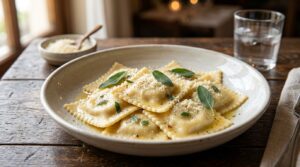
Ravioli is a traditional Italian pasta dish made from small pieces of pasta dough filled with ingredients such as cheese, vegetables, meat, or seafood. The filling is enclosed between pasta layers, creating individual pockets that are sealed around the edges.
Unlike spaghetti or fettuccine, which are served as long strands or ribbons, ravioli contains its filling inside the pasta itself. Each piece combines the texture of the pasta with the flavour of the ingredients hidden within it.
This is commonly served with a sauce that complements its filling. Depending on the recipe, this might be a tomato sauce, a butter-and-herb sauce, a creamy sauce, or a simple dressing made with olive oil and cheese.
Although this is closely associated with Italian cuisine, its fillings, shapes, and serving styles vary across regions, restaurants, and individual recipes.
The Origins of Ravioli
This has a long history in Italian cooking. Filled pasta became part of regional culinary traditions, with different communities developing their own combinations of dough, fillings, and sauces.
Historically, making filled pasta provided a way to combine available ingredients into a complete dish. Cheese, herbs, vegetables, and meat could be enclosed in pasta dough and cooked together.
Over time, this developed into a familiar feature of Italian cuisine. Today, it is enjoyed in homes and restaurants, with both traditional recipes and modern interpretations appearing on menus.
There is no single filling or shape that defines every ravioli dish. Its versatility is one of the reasons it remains popular.
What Is Ravioli Made Of?
Ravioli generally consists of two main components: pasta dough and filling.
- Pasta Dough
The outer layer is commonly made from wheat flour and eggs, although recipes can vary. The dough is kneaded and rolled into thin sheets that can hold the filling without becoming too thick.
The pasta should be thin enough to cook evenly but sturdy enough to remain sealed around the filling.
- Filling
The filling determines much of the dish’s flavour. It is placed in small portions on a sheet of pasta before another sheet is placed over it or the dough is folded around it.
Common fillings include ricotta and spinach, seasoned cheese, pumpkin, mushrooms, minced meat, or seafood. The ingredients depend on the recipe and the style of ravioli being prepared.
- Sauce
Ravioli is often served with a sauce selected to complement its filling. A light butter-and-herb sauce may suit delicate cheese fillings, while tomato sauce can pair well with meat or vegetable varieties.
A sauce should enhance the flavour of the ravioli rather than overwhelm the filling.
Popular Types of Ravioli
This can be prepared with many different fillings, allowing the dish to suit a range of tastes.
- Cheese
Cheese ravioli contains a cheese-based filling, often made with ricotta or a combination of cheeses and seasonings. Its creamy interior pairs well with tomato sauce, butter, herbs, or grated Parmesan.
- Spinach and Ricotta
This familiar combination brings together ricotta cheese and spinach for a soft, savoury filling. The spinach adds a mild vegetable flavour, while ricotta provides creaminess.
It can be served with a light butter sauce, tomato sauce, or another suitable accompaniment.
- Meat
Meat-filled ravioli may contain seasoned beef, pork, or a combination of meats, depending on the recipe. Herbs, cheese, or other ingredients may be included to build flavour.
The filling is usually cooked or prepared according to the recipe before the ravioli is assembled and cooked.
- Mushroom
Mushroom ravioli features a savoury filling made with cooked mushrooms, often combined with herbs, cheese, or other ingredients. Its earthy flavour pairs well with butter, Parmesan, or a light cream sauce.
- Pumpkin
Pumpkin ravioli combines a sweet, earthy filling with pasta dough. Some recipes balance the pumpkin with cheese, herbs, or spices. Butter and sage are familiar accompaniments for certain pumpkin-filled ravioli preparations.
- Seafood
Seafood ravioli may contain ingredients such as prawns, crab, or fish, depending on the recipe. It is often paired with a sauce that complements the delicate flavour of the filling.
These varieties demonstrate the flexibility of ravioli. The same pasta format can produce very different dishes simply by changing the filling and sauce.
How Is Ravioli Prepared?
Making this from scratch requires attention to the dough, filling, and sealing process.
First, the pasta dough is prepared and rolled into thin sheets. The filling is prepared separately and allowed to cool if necessary, particularly when it has been cooked.
Small portions of filling are placed at regular intervals on one pasta sheet. A second sheet is laid over the filling, or the dough is folded around it, depending on the method.
The pasta is gently pressed around each portion to remove excess air and seal the edges. A knife, pastry cutter, or ravioli cutter can then be used to separate the individual pieces.
These are cooked in gently boiling water until the pasta is tender and the filling is heated through. Cooking time varies according to the thickness of the dough, the size of each piece, and whether those are fresh, frozen, or dried.
Once cooked, the ravioli are lifted carefully from the water and combined with the chosen sauce. Gentle handling helps prevent the pasta pockets from breaking.
Fresh ravioli can also be purchased ready-made, making it possible to enjoy the dish without preparing the pasta dough and filling from scratch.
How Should Ravioli Be Cooked?
This requires careful cooking because the outer pasta needs to become tender without breaking open.
Use a sufficiently large pot of boiling water and follow the cooking instructions for the specific product or recipe. Fresh ravioli often cooks more quickly than frozen or dried varieties, so cooking times should not be assumed to be identical.
Avoid stirring too vigorously, as this can damage the pasta pockets. Once the ravioli are cooked, remove them gently using a slotted spoon or suitable utensil.
If the ravioli are filled with meat or seafood, make sure the filling is cooked and heated safely according to the preparation method.
After draining, combine this with the sauce carefully. Adding a little pasta cooking water may help loosen some sauces and allow them to coat the pasta more evenly.
Sauces That Pair Well with Ravioli
The sauce plays an important role in the finished dish, but the best choice depends on the filling.
- Tomato sauce – Its bright, savoury flavour works well with cheese, meat, and some vegetable fillings.
- Butter and sage – A simple butter sauce with sage is a familiar pairing for certain filled pastas, especially those containing pumpkin or other mild fillings.
- Cream sauce – A creamy sauce can complement mushroom or cheese ravioli, although the amount should be balanced so it does not hide the filling’s flavour.
- Olive oil and herbs – A light preparation with olive oil, garlic, and herbs can suit delicate vegetable or cheese fillings.
- Pesto – A basil-based pesto provides an aromatic accompaniment that works with selected cheese and vegetable fillings.
Choosing a sauce that complements the filling helps create a balanced dish in which both the pasta and its contents can be appreciated.
What Makes Good Ravioli?
Good ravioli combines tender pasta with a well-seasoned filling.
The pasta should be thin enough to cook evenly but not so delicate that it tears during cooking. The sealed edges should remain intact, keeping the filling inside each pocket.
The filling should have a suitable texture and should not be excessively wet. Too much moisture can make the pasta difficult to seal and may cause the ravioli to break during cooking.
The sauce should complement the filling rather than dominate it. A delicate cheese filling, for example, may be better appreciated with a light sauce than with a heavily seasoned one.
Finally, careful handling during cooking and serving helps preserve the shape of each piece and gives the dish an appealing presentation.
How Is Ravioli Served?
This is commonly served as a main course or as one of several courses in an Italian-inspired meal. Portion sizes and accompaniments depend on the restaurant and recipe.
The pasta is generally arranged in a shallow bowl or on a plate with enough sauce to coat the pieces. Grated Parmesan, fresh herbs, or a small drizzle of olive oil may be added when appropriate.
Because the filling is already enclosed in the pasta, this does not require an elaborate topping. A simple presentation can allow its shape and sauce to remain the focus.
This is best served soon after cooking, while the pasta is tender and the sauce is warm.
Discover more food guides and culinary inspiration with Lankaura.
