

Salami Piccante Pizza
Categories
Categories
- Afghan Cuisine(1)
- American Cuisine(141)
- Australian Cuisine(6)
- Austrian Cuisine(2)
- Belgian Cuisine(1)
- Brazilian Cuisine(3)
- British Cuisine(35)
- Cakes in Sri Lanka(47)
- Canadian Cuisine(1)
- Chinese Cuisine(85)
- Cocktails in Sri Lanka(18)
- Cuban Cuisine(17)
- Dutch Cuisine(1)
- Egyptian Cuisine(3)
- Filipino Cuisine(3)
- French Cuisine(23)
- German Cuisine(9)
- Greek Cuisine(16)
- Hong Kong Cuisine(1)
- Indian Cuisine(79)
- Indonesian Cuisine(15)
- Innovative Sri Lankan Flavours(5)
- Iranian Cuisine(5)
- Irish Cuisine(2)
- Italian Cuisine(112)
- Japanese Cuisine(13)
- Kazakastani Cuisine(1)
- Korean Cuisine(0)
- Malaysian Cuisine(12)
- Mexican Cuisine(13)
- Modern Culinary Trends(40)
- Moroccan Cuisine(2)
- Omani Cuisine(1)
- Russian Cuisine(2)
- Saudi Arabian Cuisine(1)
- Senegalese Cuisine(1)
- Singapore Cuisine(1)
- Spanish Cuisine(7)
- Sri Lankan Authentic Beverages(37)
- Sri Lankan Authentic Curries(66)
- Sri Lankan Authentic Desserts(6)
- Sri Lankan Authentic Food(78)
- Sri Lankan Authentic Seafood(18)
- Sri Lankan Authentic Snacks(20)
- Sri Lankan Authentic Sweets(20)
- Swiss Cuisine(3)
- Taiwanese Cuisine(9)
- Thai Cuisine(21)
- Turkish Cuisine(11)
- Yemeni Cuisine(2)
Salami Piccante Pizza – A Spicy Cured-Meat Classic
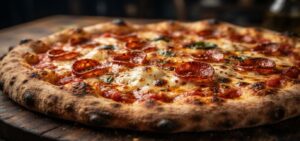
Salami Piccante Pizza is built around one ingredient that can completely define a slice: spicy cured salami. Rich, savoury and often gently fiery, this topping brings a combination of seasoning, fat and texture that works naturally with tomato and melted cheese.
In many places, diners know a similar pizza simply as pepperoni pizza. While the terms are closely related in pizza culture, the products are not necessarily identical. Italian salami piccante refers broadly to spicy salami, while the American-style pepperoni commonly associated with pizza developed its own distinct characteristics.
What Is Salami Piccante?
“Salami piccante” translates broadly as spicy salami. It is not one single universal salami recipe; different producers can use different meats, seasonings, chilli levels and curing methods.
The spicy character may come from chilli or other hot seasonings, while garlic, paprika and additional spices can contribute to the overall flavour depending on the style.
When used on pizza, salami piccante provides a concentrated savoury taste that becomes even more aromatic as it warms in the oven.
Salami Piccante Pizza vs Pepperoni Pizza
The two are often grouped together because both are spicy cured-meat toppings commonly used on pizza. However, traditional Italian salami piccante pizza and American pepperoni pizza can differ in seasoning, texture, production methods and flavour.
Pepperoni is particularly associated with American pizza culture and is usually finely textured, highly seasoned and known for releasing its characteristic reddish oil as it cooks.
Salami piccante pizza can encompass a wider range of Italian spicy salamis, with variations in texture and intensity depending on the product.
So while a menu may describe a pizza as “Salami Piccante Pizza,” the exact meat used can depend on the restaurant and its ingredients.
Why It Works So Well on Pizza
Spicy cured meat has several qualities that make it particularly effective as a pizza topping. It brings saltiness, richness and seasoning in one ingredient, reducing the need for numerous additional toppings.
As the pizza bakes, the fat in the salami can render and spread into the surrounding cheese and sauce. This helps carry its flavour across the surface while creating crisp, browned edges on thinner slices.
The result is a topping that contributes both flavour and texture.
The Importance of Seasoning
The flavour of spicy salami comes from more than chilli alone. Different combinations of spices can influence whether the salami tastes smoky, garlicky, peppery or mildly sweet alongside its heat.
This is why two pizzas labelled “spicy salami” can taste noticeably different. One may have a clean chilli kick, while another can be more aromatic and heavily seasoned.
The seasoning also needs to work with the other ingredients rather than overpowering them.
Tomato Creates Balance
Tomato sauce provides acidity that helps balance the richness of the cured meat. This contrast is especially useful when the salami is fatty or strongly seasoned.
The tomato does not need to be heavily flavoured. A bright, well-balanced sauce can provide enough freshness to prevent the combination from becoming overly rich.
Together, tomato and salami create a savoury foundation that allows the cheese to play a supporting role.
Cheese Softens the Spice
Melted cheese adds a creamy element to the pizza and helps round out the stronger flavours of the salami.
Mozzarella is particularly useful because its relatively mild profile does not compete heavily with the cured meat. It also provides the melted texture associated with many classic pizza styles.
The amount of cheese matters, however. Too much can make the pizza heavy, while too little may leave the spicy salami feeling overly dominant.
That Signature Crisp Edge
One of the most recognisable features of a salami-topped pizza is the way the meat changes during baking. Thin slices can curl at the edges and become crisp, while the centre remains more tender.
The rendered fat can also collect around the edges of the salami, creating a rich and intensely savoury bite.
For many pizza lovers, this contrast between crisp edges and tender meat is part of what makes the topping so appealing.
How Spice Levels Can Vary
There is no universal heat level for Salami Piccante Pizza. Some salamis have a gentle warmth, while others are noticeably spicy.
The final heat can also depend on whether the restaurant adds chilli flakes, fresh chilli or chilli oil alongside the salami.
This gives pizzerias room to create different versions of the same basic idea, from mildly spicy to much more intense.
Keeping the Toppings Simple
Because salami piccante pizza already brings so much flavour, it does not necessarily need a long list of additional toppings.
Tomato, mozzarella and spicy salami can create a complete combination on their own. Herbs, olives, mushrooms or chilli can be added, but each extra ingredient changes the balance.
A simpler version can make it easier to appreciate the seasoning and texture of the salami itself.
Salami Piccante Pizza in Sri Lanka
Spicy flavours are already familiar to Sri Lankan diners, making a spicy cured-meat pizza an interesting way to experience an Italian-inspired combination.
Local restaurants may adjust the heat level or add chilli-based ingredients to suit local preferences. The result can range from a relatively gentle spicy pizza to a much more fiery interpretation.
The important distinction is that the salami remains the central flavour rather than simply using chilli to create heat.
What to Expect When Ordering
A Salami Piccante Pizza should deliver a savoury, rich and spicy flavour profile, supported by tomato and melted cheese.
If the salami is thinly sliced, expect crisp edges and rendered fat around the topping. Thicker slices may remain softer and provide a more substantial bite.
If you prefer moderate spice, it is worth asking about the salami used and whether additional chilli is added.
A Topping That Became a Pizza Favourite
Salami Piccante Pizza shows how a single well-seasoned ingredient can shape an entire pizza. Its combination of cured-meat richness, spice and crisp texture creates a strong identity without requiring complicated toppings.
Although pepperoni has become one of the world’s most recognisable pizza toppings, Italian salami piccante pizza offers a broader perspective on the spicy cured meats that can be used on pizza.
For diners who enjoy bold savoury flavours, it is a topping that brings heat, texture and plenty of character to every slice.
Its bold seasoning allows the salami to remain the star of the pizza without overwhelming the other ingredients. The result is a simple yet flavourful combination that feels satisfying in every bite.
Its savoury depth pairs naturally with the richness of melted cheese and tomato. The balance of spice and texture makes each slice feel bold without becoming overly complicated.
Explore more Italian-inspired pizzas and discover restaurants and food experiences across Sri Lanka with Lankaura…..!
