
Seafood Roti
Categories
Categories
- Afghan Cuisine(1)
- American Cuisine(141)
- Australian Cuisine(6)
- Austrian Cuisine(2)
- Belgian Cuisine(1)
- Brazilian Cuisine(3)
- British Cuisine(35)
- Cakes in Sri Lanka(47)
- Canadian Cuisine(1)
- Chinese Cuisine(85)
- Cocktails in Sri Lanka(18)
- Cuban Cuisine(17)
- Dutch Cuisine(1)
- Egyptian Cuisine(3)
- Filipino Cuisine(3)
- French Cuisine(23)
- German Cuisine(9)
- Greek Cuisine(16)
- Hong Kong Cuisine(1)
- Indian Cuisine(79)
- Indonesian Cuisine(15)
- Innovative Sri Lankan Flavours(5)
- Iranian Cuisine(5)
- Irish Cuisine(2)
- Italian Cuisine(112)
- Japanese Cuisine(13)
- Kazakastani Cuisine(1)
- Korean Cuisine(0)
- Malaysian Cuisine(12)
- Mexican Cuisine(13)
- Modern Culinary Trends(40)
- Moroccan Cuisine(2)
- Omani Cuisine(1)
- Russian Cuisine(2)
- Saudi Arabian Cuisine(1)
- Senegalese Cuisine(1)
- Singapore Cuisine(1)
- Spanish Cuisine(7)
- Sri Lankan Authentic Beverages(37)
- Sri Lankan Authentic Curries(66)
- Sri Lankan Authentic Desserts(6)
- Sri Lankan Authentic Food(78)
- Sri Lankan Authentic Seafood(18)
- Sri Lankan Authentic Snacks(20)
- Sri Lankan Authentic Sweets(20)
- Swiss Cuisine(3)
- Taiwanese Cuisine(9)
- Thai Cuisine(21)
- Turkish Cuisine(11)
- Yemeni Cuisine(2)
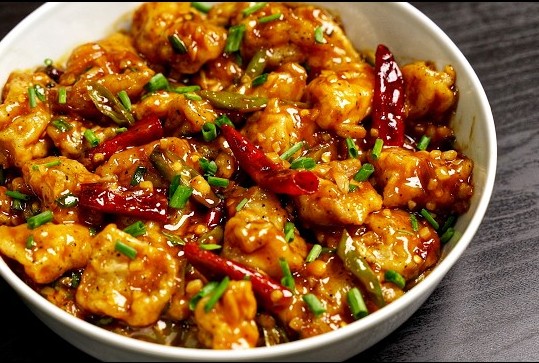
Seafood Roti – A Delicious Seafood Twist on a Sri Lankan Favourite

Sri Lankan roti is loved for its versatility, comforting texture and ability to pair with a wide variety of fillings. From simple coconut roti to spicy stuffed varieties, this familiar food has a place in everyday meals and street-food culture. Seafood roti offers another flavourful option, bringing together a satisfying roti filling and the distinctive taste of seafood.
Filled with a combination of seafood, aromatic spices and complementary ingredients, seafood roti can be a delicious choice for lunch, dinner or a quick bite. The filling and preparation can vary, allowing different cooks and restaurants to create their own versions of this savoury favourite.
What Is Seafood Roti?
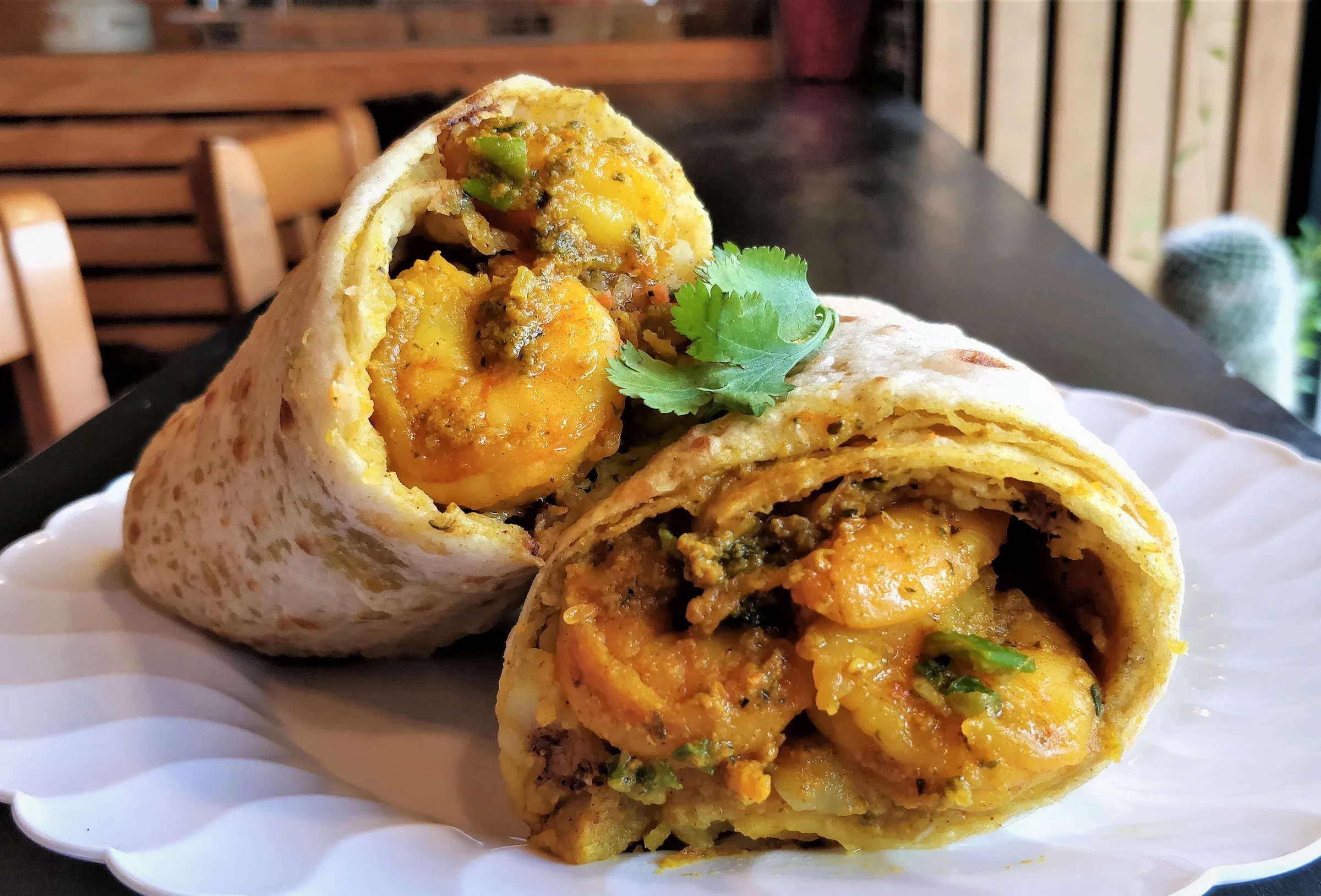
Seafood roti is a savoury flatbread or stuffed roti prepared with a filling that includes seafood. Depending on the recipe, the filling may contain prawns, cuttlefish, fish or a mixture of different seafood ingredients.
In Sri Lanka, stuffed roti varieties are often prepared with seasoned fillings wrapped in a thin layer of dough and cooked on a hot griddle. Seafood roti follows a similar idea, combining the familiar texture of roti with the flavour of seafood and spices.
Some versions use a folded flatbread filled with a cooked seafood mixture, while others may be prepared as a parcel with the filling enclosed inside the dough. The exact style depends on the cook or establishment serving it.
The combination of soft or lightly crisp roti and a savoury seafood filling makes this dish an interesting option for people who enjoy both Sri Lankan flatbreads and seafood-based meals.
What Ingredients Are Used to Make Seafood Roti?
The ingredients used in seafood roti depend on the recipe and the type of seafood selected. Several common ingredients can help create its characteristic flavour.
Seafood – Prawns, fish and cuttlefish are possible choices for the filling. A mixed seafood version may combine several varieties, giving the dish a range of textures and flavours.
Roti dough – The outer layer is usually made from a flour-based dough. Depending on the preparation method, the roti may be soft and flexible or lightly crisp after cooking.
Onions – Chopped onions add sweetness and savoury depth to the filling when cooked.
Green chillies – Green chillies can introduce a fresh, spicy flavour, although the quantity depends on the desired heat level.
Garlic and ginger – These ingredients contribute aroma and help develop the flavour of the seafood filling.
Curry leaves and spices – Curry leaves, black pepper, chilli powder and other seasonings may be used to give the filling a distinctly Sri Lankan character.
Vegetables – Some recipes include carrots, leeks, cabbage or other vegetables to add texture and complement the seafood.
Oil – A small amount of oil is used to cook the filling and prepare the roti on the cooking surface.
Not every recipe includes all these ingredients. The balance of seafood, spices and vegetables determines whether the finished roti has a mild, aromatic flavour or a stronger, spicier character.
How Is Seafood Roti Prepared?
Preparing seafood roti generally involves making the filling, preparing the dough and cooking the assembled roti.
The process begins by cleaning and preparing the chosen seafood. Prawns may be peeled and deveined, fish can be cut into small pieces, and cuttlefish is usually cleaned and sliced into suitable portions.
Onions, garlic, ginger, green chillies and selected spices are cooked together to develop an aromatic base. The seafood is then added and cooked until it is properly done. Vegetables may be included, depending on the recipe, and the filling is seasoned to taste.
The dough is prepared separately and divided into portions. Each portion is rolled or stretched into a suitable shape, and a portion of the cooled or prepared filling is placed in the centre.
The dough is folded around the filling to form a parcel or another desired shape. The assembled roti is then placed on a hot griddle or flat cooking surface and cooked until the outside is done and develops an appetising golden colour.
Proper cooking is important because seafood needs to reach a safe level of doneness without becoming unnecessarily tough or dry. The filling should also be handled carefully to avoid contaminating the dough or other ingredients.
Once cooked, seafood roti can be served warm, allowing the savoury filling and the texture of the flatbread to be enjoyed together.
What Makes Seafood Roti Special?
Seafood roti stands out because it combines the familiar appeal of roti with the varied flavours of seafood.
The seafood provides the main character of the filling, while onions, chillies, garlic, ginger and spices contribute depth and aroma. Depending on the ingredients, the filling may be mildly seasoned, peppery or noticeably spicy.
Texture is another part of its appeal. The outer roti can be soft and tender or slightly crisp on the cooking surface, while the filling offers a different texture from the seafood and vegetables inside.
Seafood roti is also versatile. It can be made with a single seafood ingredient or prepared with a mixture, allowing the recipe to suit different preferences and ingredient availability.
For people who enjoy savoury stuffed flatbreads, it offers an alternative to fillings based on vegetables, eggs or meat.
Popular Seafood Fillings for Roti
The type of seafood used can influence the flavour and texture of the finished dish.
Prawn roti – Prawns offer a distinctive seafood flavour and a firm, tender texture when properly cooked. They can be combined with onions, pepper and spices for a flavourful filling.
Fish roti – Fish provides a softer filling that can absorb seasonings well. The type of fish used and how it is prepared influence the final texture.
Cuttlefish roti – Cuttlefish brings a firmer, slightly chewy texture. Proper cooking helps prevent it from becoming unpleasantly tough.
Mixed seafood roti – A combination of prawns, fish and cuttlefish can create a more varied filling, bringing together different textures and seafood flavours.
These are possible variations rather than ingredients that must all be included in one roti. Individual restaurants and home cooks may have their own preferred combinations.
How Does Seafood Roti Taste?
Seafood roti generally has a savoury flavour shaped by the seafood, seasoning and style of preparation.
The filling may offer the natural sweetness of prawns, the delicate taste of fish or the firmer texture of cuttlefish. When combined with onions, garlic, ginger, pepper and chillies, these ingredients create a more layered flavour.
The roti itself provides a mild, comforting base that balances the stronger seasonings in the filling. If cooked until lightly crisp on the outside, it also adds a pleasant contrast to the softer ingredients inside.
Spice levels can differ considerably. Some versions may have a gentle peppery taste, while others use more chilli and stronger seasoning.
The overall experience depends on the freshness of the seafood, the cooking method and the balance between the filling and the outer layer.
How Can Seafood Roti Be Served?
Seafood roti can be enjoyed on its own or served with simple accompaniments.
With chilli sauce – A chilli sauce can add extra heat and complement a savoury seafood filling.
With tomato sauce – Tomato sauce offers a slightly sweet and tangy contrast to the spices.
With a fresh salad – A light salad can provide freshness alongside the warm roti.
With sambol – For those who enjoy traditional Sri Lankan flavours, a suitable sambol can add another layer of spice and character.
As a quick meal – Seafood roti can be served as a filling snack, lunch option or casual dinner, depending on its size and the accompanying dishes.
The best pairing depends on the seasoning of the roti itself. A strongly spiced filling may need only a simple accompaniment, while a milder version can work well with a more flavourful sauce.
Seafood Roti in Sri Lanka
Sri Lankan food culture includes a wide range of roti varieties, from plain flatbreads to stuffed and folded options. The use of spices, vegetables and different fillings allows this everyday food to take on many forms.
Seafood roti brings together this versatility and the island’s familiarity with seafood dishes. Its ingredients can reflect different regional preferences, personal recipes and the menus of individual eateries.
However, seafood roti is not necessarily available everywhere, and preparation styles can vary. Some establishments may specialise in prawns or fish, while others may offer a mixed seafood filling.
For diners who enjoy exploring different local food options, checking restaurant menus and asking about the filling can help identify a version that suits their preferences.
Freshness and proper handling are particularly important when choosing seafood-based dishes. People with seafood allergies should always confirm the ingredients before ordering.
Final Thoughts
Seafood roti combines the familiar comfort of Sri Lankan-style roti with the savoury flavours of seafood and aromatic spices. Whether filled with prawns, fish, cuttlefish or a mixture of seafood, it offers a versatile option for anyone who enjoys a flavourful stuffed flatbread.
From a lightly seasoned filling to a spicier Sri Lankan-inspired preparation, different versions provide plenty of variety to explore.
Looking for delicious culinary discoveries? Explore more Lankaura.