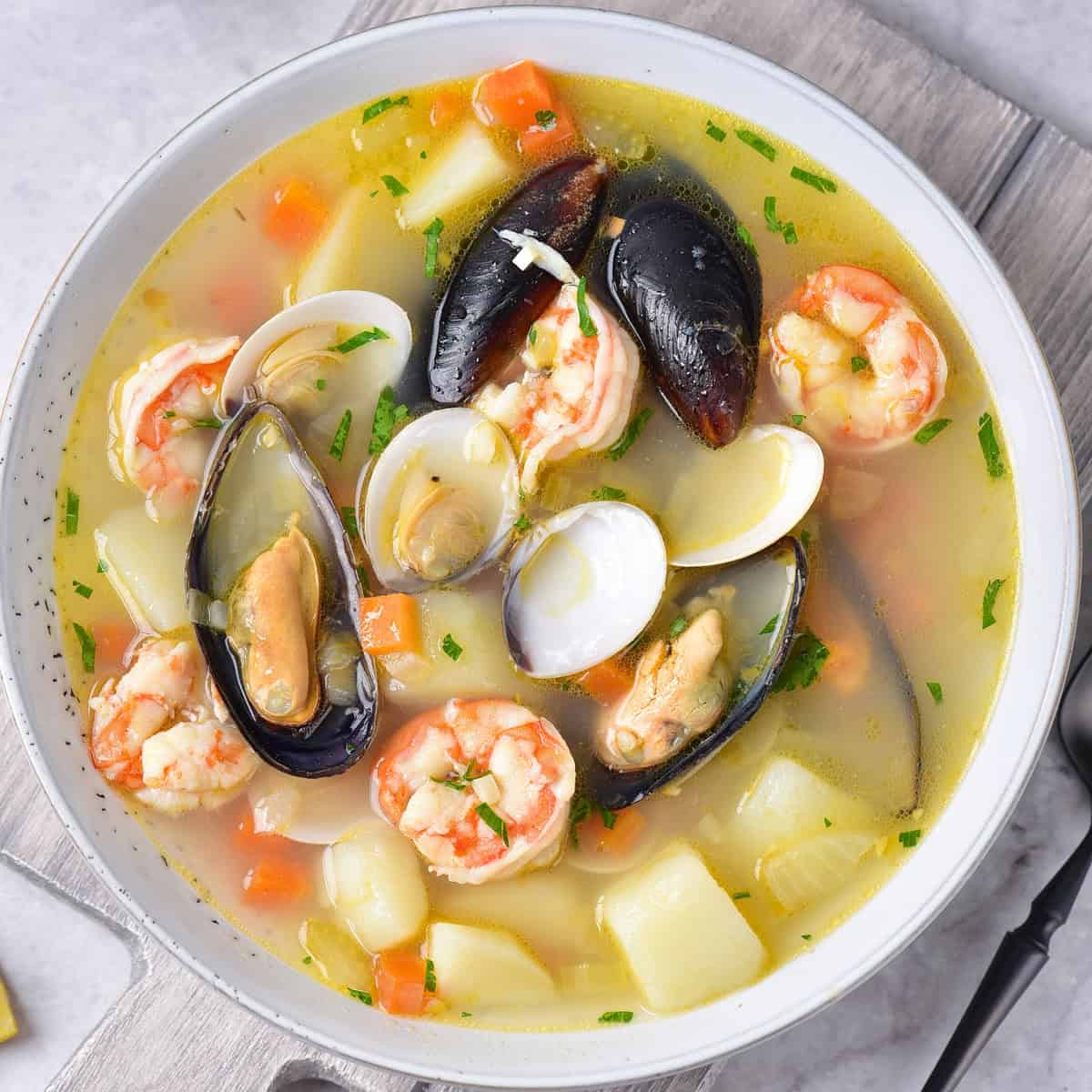
Seafood Soup
Categories
Categories
- Afghan Cuisine(1)
- American Cuisine(141)
- Australian Cuisine(6)
- Austrian Cuisine(2)
- Belgian Cuisine(1)
- Brazilian Cuisine(3)
- British Cuisine(35)
- Cakes in Sri Lanka(47)
- Canadian Cuisine(1)
- Chinese Cuisine(85)
- Cocktails in Sri Lanka(18)
- Cuban Cuisine(17)
- Dutch Cuisine(1)
- Egyptian Cuisine(3)
- Filipino Cuisine(3)
- French Cuisine(23)
- German Cuisine(9)
- Greek Cuisine(16)
- Hong Kong Cuisine(1)
- Indian Cuisine(79)
- Indonesian Cuisine(15)
- Innovative Sri Lankan Flavours(5)
- Iranian Cuisine(5)
- Irish Cuisine(2)
- Italian Cuisine(112)
- Japanese Cuisine(13)
- Kazakastani Cuisine(1)
- Korean Cuisine(0)
- Malaysian Cuisine(12)
- Mexican Cuisine(13)
- Modern Culinary Trends(40)
- Moroccan Cuisine(2)
- Omani Cuisine(1)
- Russian Cuisine(2)
- Saudi Arabian Cuisine(1)
- Senegalese Cuisine(1)
- Singapore Cuisine(1)
- Spanish Cuisine(7)
- Sri Lankan Authentic Beverages(37)
- Sri Lankan Authentic Curries(66)
- Sri Lankan Authentic Desserts(6)
- Sri Lankan Authentic Food(78)
- Sri Lankan Authentic Seafood(18)
- Sri Lankan Authentic Snacks(20)
- Sri Lankan Authentic Sweets(20)
- Swiss Cuisine(3)
- Taiwanese Cuisine(9)
- Thai Cuisine(21)
- Turkish Cuisine(11)
- Yemeni Cuisine(2)
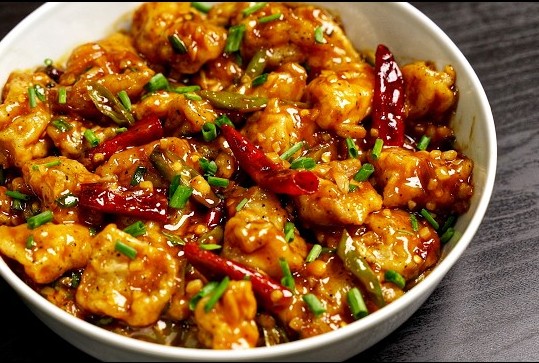
Seafood Soup- A Flavourful Bowl Filled with the Taste of the Sea

A warm bowl of seafood soup brings together the natural flavours of seafood with a carefully prepared broth. Depending on the recipe, it can feature prawns, fish, squid, mussels, clams, crab, or a combination of several types of seafood.
Unlike a dish built around one main seafood ingredient, seafood soup is all about how different ingredients work together. The broth provides the foundation, while each type of seafood contributes its own flavour and texture.
What Is Seafood Soup?
Seafood soup is a broad category rather than one specific recipe. It can be prepared as a clear broth, a tomato-based soup, a creamy soup, or a coconut-based preparation. The ingredients and seasonings vary widely between cuisines.
A lighter soup may rely on fish stock, vegetables, herbs, garlic, and seafood for its flavour. Other versions can be richer, using ingredients such as coconut milk, cream, or tomatoes to create a fuller body.
This flexibility makes seafood soup easy to adapt to different tastes while keeping seafood at the heart of the dish.
Choosing the Seafood
The seafood used can completely change the character of the soup. Fish provides a delicate, flaky texture, while prawns add a naturally sweet seafood flavour. Squid offers a firmer bite, and shellfish such as mussels or clams can contribute a distinctive briny quality.
Fresh seafood is particularly important because the broth allows its flavours to remain noticeable. Seafood should also be cleaned and prepared appropriately before being added to the soup.
Using several varieties can create a more complex bowl, but combining seafood does not necessarily mean adding everything available. Choosing ingredients that cook well together helps maintain a balanced texture.
The Importance of the Broth
The broth is what connects the ingredients. Aromatics such as onion, garlic, ginger, celery, herbs, or spices can form the starting point, while stock, tomatoes, coconut milk, or other liquids provide the main body.
A good broth should complement the seafood rather than overpower it. Seasoning can be adjusted with salt, pepper, herbs, spices, citrus, or chilli depending on the style of soup.
For a Sri Lankan-inspired version, aromatic spices and coconut milk can give the soup a distinctly tropical character. A lighter preparation may instead highlight fresh herbs, seafood stock, and a touch of citrus.
Cooking Seafood Without Losing Its Texture
One of the most important parts of making seafood soup is timing.
Different seafood ingredients cook at different speeds. Delicate fish and prawns generally require less cooking than ingredients that need more time to become tender. Adding everything at once can therefore lead to some ingredients being overcooked while others are still underdone.
Gentle cooking is usually preferable. Once seafood is cooked through, it should be removed from prolonged heat where possible to help preserve its texture.
Vegetables and Other Additions
Seafood soup does not have to contain seafood alone. Vegetables such as carrots, potatoes, tomatoes, celery, onions, sweet corn, or leafy greens can add colour, texture, and additional flavour.
Noodles, rice, or bread can also make the meal more substantial, although the choice depends on the particular style of soup.
A final touch of fresh herbs, lime or lemon can brighten a rich broth and provide contrast to the savoury seafood flavours.
Seafood Soup in Sri Lankan Food Culture
Sri Lanka’s location in the Indian Ocean gives seafood an important place in its food traditions. Fish and other seafood are commonly prepared in many forms, from curries and fried dishes to soups and lighter preparations.
A seafood soup can bring some of those familiar island flavours into a different format. Coconut milk, chilli, curry leaves, ginger, garlic, and aromatic spices can be used to create a soup that feels distinctly suited to Sri Lankan tastes while still allowing the seafood to remain the main attraction.
A Bowl for Seafood Lovers
Seafood soup is more than simply seafood placed in a broth. The best versions pay attention to the balance between the liquid, seasonings, vegetables, and cooking time of each seafood ingredient.
Whether you prefer a clear and delicate broth or a rich coconut-based bowl, seafood soup offers an enjoyable way to bring several flavours and textures together.
For seafood lovers exploring different ways to enjoy the ocean’s bounty, a thoughtfully prepared bowl of seafood soup can be both comforting and deeply flavourful.