
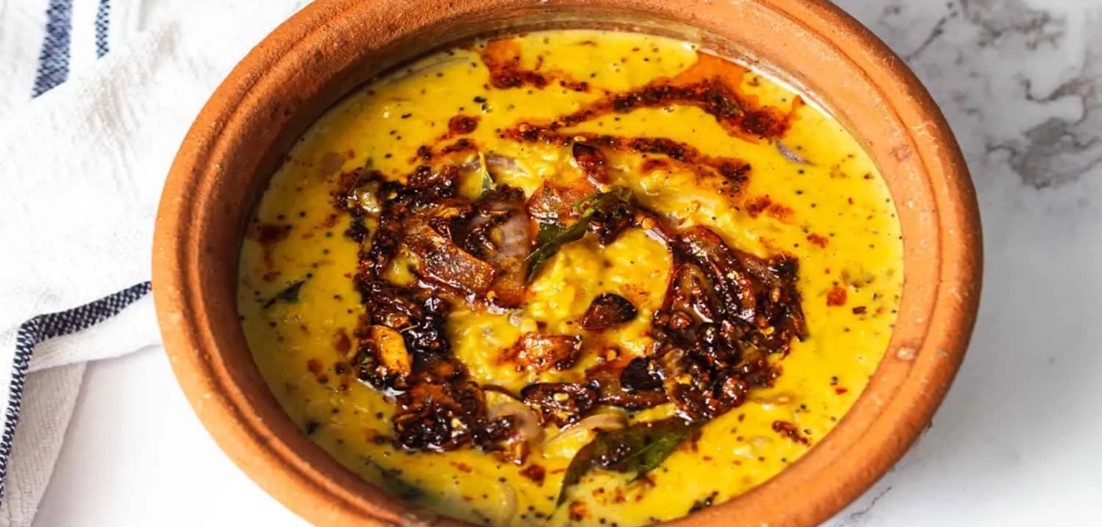
Sri Lankan Dhal Curry (Parippu)
Categories
Categories
- Afghan Cuisine(1)
- American Cuisine(150)
- Australian Cuisine(7)
- Austrian Cuisine(2)
- Belgian Cuisine(6)
- Brazilian Cuisine(3)
- British Cuisine(38)
- Cakes in Sri Lanka(47)
- Canadian Cuisine(1)
- Chinese Cuisine(85)
- Christmas Flavors(7)
- Cocktails in Sri Lanka(18)
- Cuban Cuisine(17)
- Dutch Cuisine(1)
- Egyptian Cuisine(3)
- Filipino Cuisine(3)
- French Cuisine(23)
- German Cuisine(9)
- Greek Cuisine(16)
- Hong Kong Cuisine(1)
- Indian Cuisine(80)
- Indonesian Cuisine(15)
- Innovative Sri Lankan Flavours(8)
- International Cuisine(1)
- Iranian Cuisine(5)
- Irish Cuisine(2)
- Italian Cuisine(113)
- Japanese Cuisine(13)
- Kazakastani Cuisine(1)
- Korean Cuisine(0)
- Malaysian Cuisine(12)
- Mexican Cuisine(14)
- Modern Culinary Trends(47)
- Moroccan Cuisine(4)
- Omani Cuisine(1)
- Russian Cuisine(2)
- Saudi Arabian Cuisine(1)
- Senegalese Cuisine(1)
- Singapore Cuisine(1)
- Spanish Cuisine(7)
- Sri Lankan Authentic Beverages(39)
- Sri Lankan Authentic Curries(66)
- Sri Lankan Authentic Desserts(6)
- Sri Lankan Authentic Food(78)
- Sri Lankan Authentic Seafood(20)
- Sri Lankan Authentic Snacks(20)
- Sri Lankan Authentic Sweets(20)
- Swiss Cuisine(3)
- Taiwanese Cuisine(9)
- Thai Cuisine(21)
- Turkish Cuisine(11)
- Yemeni Cuisine(2)



Sri Lankan Dhal Curry (Parippu)- A Comforting Everyday Favourite in Sri Lankan Cuisine
Sri Lankan cuisine is filled with flavourful curries, aromatic spices and comforting dishes prepared using simple, locally available ingredients. Among these everyday favourites, Sri Lankan Dhal Curry, commonly known as Parippu, holds a special place in households across the island.
Prepared using red lentils, coconut milk and a selection of aromatic spices, Parippu is one of the most familiar dishes in Sri Lankan cooking. Its creamy consistency, mild spice profile and satisfying flavour make it a popular accompaniment to rice, string hoppers, bread, roti and many other traditional foods.
Although dhal curry is relatively simple to prepare, its flavourful combination of lentils, coconut milk, onions and spices makes it an essential part of many Sri Lankan meals. From everyday family breakfasts to elaborate rice and curry spreads, Parippu continues to be enjoyed by people of different generations.
Whether served as a main vegetarian dish or alongside other curries, Sri Lankan Dhal Curry represents the comforting simplicity of traditional home cooking.
What Is Sri Lankan Dhal Curry (Parippu)?
Sri Lankan Dhal Curry, known locally as Parippu, is a traditional lentil-based curry prepared using red lentils, commonly called dhal, and coconut milk.
The dish is particularly popular because of its smooth texture, gentle spices and creamy consistency. Unlike some lentil preparations that are cooked until completely dry, Sri Lankan Parippu is usually prepared with enough liquid to create a soft, thick curry.
Red lentils are washed and cooked with ingredients such as turmeric, onions, green chillies and other seasonings. Coconut milk is then incorporated to develop the creamy texture and distinctive flavour associated with Sri Lankan dhal curry.
One of the interesting characteristics of Parippu is its versatility. It can be prepared as a mild curry for everyday meals or seasoned with additional spices for a stronger flavour.
Although recipes differ between households, the combination of lentils, coconut milk and aromatic ingredients gives Sri Lankan Parippu its familiar identity.
What Ingredients Are Used to Make Sri Lankan Dhal Curry?
Sri Lankan Dhal Curry is prepared using a small collection of ingredients that work together to create its distinctive taste and texture. The exact quantities may vary depending on household preferences and cooking methods.
- Red lentils (Masoor Dhal): Red lentils are the main ingredient. They cook relatively quickly and become soft, creating the thick consistency associated with traditional Parippu.
- Coconut milk: Coconut milk gives the curry its creamy texture and gentle sweetness. Both thin and thick coconut milk may be used during preparation.
- Onions: Sliced onions contribute sweetness and depth to the curry while complementing the lentils.
- Green chillies: Green chillies introduce a mild heat and fresh flavour. Their quantity can be adjusted according to personal preference.
- Turmeric powder: Turmeric provides a natural golden-yellow colour and a mild earthy flavour.
- Chilli powder: Chilli powder can be added to introduce warmth and additional colour to the curry.
- Curry leaves: Curry leaves provide a distinctive aroma commonly associated with Sri Lankan cooking.
- Mustard seeds: Mustard seeds are often used in the final seasoning to create an aromatic flavour.
- Cumin seeds: Cumin contributes a warm, earthy taste that complements the lentils.
- Garlic: Garlic adds depth and fragrance to the curry.
- Salt: Salt balances the flavours and enhances the natural taste of the ingredients.
Some recipes also include pandan leaves, cinnamon or fenugreek seeds for additional fragrance and flavour.
How Is Sri Lankan Dhal Curry Prepared?
Preparing Sri Lankan Parippu involves cooking red lentils until soft before combining them with coconut milk and aromatic seasonings.
First, the red lentils are washed thoroughly under clean water to remove any dust or unwanted particles.
The cleaned lentils are placed in a cooking pot with water, turmeric powder, sliced onions, green chillies and other selected ingredients. They are then cooked over medium heat until the lentils become soft and begin to break down.
As the lentils cook, they absorb the water and develop a naturally thick consistency. Additional water can be added if necessary to achieve the desired texture.
Once the lentils are sufficiently cooked, coconut milk is incorporated into the mixture. The curry is gently simmered to allow the flavours to combine and create a creamy consistency.
A separate seasoning is often prepared by heating a little oil in a small pan. Mustard seeds are added and allowed to splutter, followed by sliced onions, curry leaves, dried red chillies, garlic and other desired spices.
The seasoning is then added to the cooked dhal and mixed carefully.
The curry is allowed to simmer briefly until everything is well combined. The finished Parippu should have a smooth, creamy texture with a rich yellow-orange colour and a pleasant aroma.
It is best served warm alongside rice or other Sri Lankan favourites.
What Makes Sri Lankan Dhal Curry Different from Other Lentil Curries?
Lentil curries are enjoyed in many countries, particularly across South Asia. However, Sri Lankan Parippu has its own distinctive character because of its preparation method and use of coconut milk.
One of its most recognisable features is its creamy consistency. Coconut milk creates a rich texture that balances the natural flavour of the lentils and the warmth of the spices.
Sri Lankan dhal curry also uses familiar local ingredients such as curry leaves, pandan leaves, green chillies and mustard seeds. These ingredients contribute an aroma and flavour profile commonly associated with Sri Lankan home cooking.
Another difference is its versatility. Some lentil preparations are heavily spiced or cooked into thicker mixtures, while Parippu is often prepared as a soft, spoonable curry that can easily be combined with rice and other dishes.
The level of spice also varies between households. Some versions are mild and creamy, while others include stronger chilli seasoning.
Despite these variations, red lentils and coconut milk remain central to the familiar Sri Lankan preparation.
How Does Sri Lankan Dhal Curry Taste?
Sri Lankan Dhal Curry has a comforting combination of creamy, mildly sweet and gently spiced flavours.
The red lentils become soft during cooking, creating a naturally thick consistency. Coconut milk adds richness and a subtle sweetness that balances the earthy flavour of the lentils.
Turmeric contributes an earthy note, while onions and garlic provide additional depth. Green chillies introduce a gentle heat, and curry leaves create the distinctive fragrance associated with the dish.
The final seasoning can add another layer of flavour. Tempered mustard seeds, dried red chillies and curry leaves create an aromatic finish that complements the creamy dhal.
Depending on the recipe, Parippu can be mild, moderately spicy or more strongly seasoned.
One of its most appealing qualities is how easily it combines with other foods. Its smooth texture and balanced flavour make it an excellent accompaniment to both simple meals and elaborate Sri Lankan rice and curry spreads.
How Can Sri Lankan Dhal Curry Be Served?
Parippu is one of the most versatile dishes in Sri Lankan cuisine. It can be enjoyed with a wide variety of traditional foods.
- With steamed rice: Dhal curry is a classic accompaniment to white and red rice. Its creamy texture combines beautifully with rice and other curries.
- With string hoppers: Soft string hoppers pair particularly well with Parippu, making it a popular breakfast or dinner combination.
- With hoppers: Dhal curry can be served alongside plain hoppers as part of a traditional Sri Lankan meal.
- With pol roti: Sri Lankan coconut roti and dhal curry create a satisfying combination of flavours and textures.
- With bread: Fresh bread can be enjoyed with dhal curry for a simple and comforting breakfast or snack.
- With pittu: Parippu is also suitable for serving with pittu, another familiar Sri Lankan food made using rice flour and coconut.
- As part of a rice and curry spread: Dhal curry is frequently served alongside vegetable curries, sambols, fried vegetables, papadam and other traditional dishes.
Its mild flavour makes it particularly suitable for balancing dishes with stronger spices or more pronounced flavours.
Sri Lankan Dhal Curry in Everyday Food Culture
Sri Lankan food culture is strongly connected to home cooking, shared meals and the use of familiar ingredients. Among the many traditional dishes prepared across the island, Parippu remains one of the most recognisable everyday favourites.
One reason for its popularity is the accessibility of its main ingredient. Red lentils are widely available and relatively quick to prepare, making dhal curry a convenient option for busy households.
It is also a versatile dish that can be included in breakfast, lunch or dinner. A simple meal of rice and Parippu can be satisfying on its own, while the same curry can become part of a larger spread featuring several vegetables and accompaniments.
Recipes are often passed between family members, with differences in the quantity of coconut milk, spices and seasoning. Some households prefer a thick and creamy preparation, while others enjoy a lighter consistency.
Parippu is also commonly found in local restaurants, small eateries and traditional food establishments throughout Sri Lanka.
For international visitors exploring Sri Lankan cuisine, dhal curry offers an introduction to the coconut-based flavours and everyday cooking traditions that make the island’s food culture distinctive.
Although it uses simple ingredients, its familiar taste and versatility have helped it remain an important part of Sri Lankan meals across generations.
Final Thoughts
Sri Lankan Dhal Curry, or Parippu, is a wonderful example of how simple ingredients can create a delicious and comforting traditional dish. Its combination of soft red lentils, creamy coconut milk and aromatic spices makes it a favourite in households throughout Sri Lanka.
Whether enjoyed with rice, string hoppers, hoppers, bread or pol roti, Parippu brings warmth and flavour to everyday meals.
More than just a simple lentil curry, it represents the familiarity, versatility and comforting traditions of Sri Lankan home cooking.
Looking for delicious Sri Lankan dishes and more culinary discoveries? Explore Lankaura, Sri Lanka’s food discovery platform…!