

Sri Lankan Rice & Curry
Categories
Categories
- Afghan Cuisine(1)
- American Cuisine(141)
- Australian Cuisine(6)
- Austrian Cuisine(2)
- Belgian Cuisine(1)
- Brazilian Cuisine(3)
- British Cuisine(35)
- Cakes in Sri Lanka(47)
- Canadian Cuisine(1)
- Chinese Cuisine(85)
- Cocktails in Sri Lanka(18)
- Cuban Cuisine(17)
- Dutch Cuisine(1)
- Egyptian Cuisine(3)
- Filipino Cuisine(3)
- French Cuisine(23)
- German Cuisine(9)
- Greek Cuisine(16)
- Hong Kong Cuisine(1)
- Indian Cuisine(79)
- Indonesian Cuisine(15)
- Innovative Sri Lankan Flavours(5)
- Iranian Cuisine(5)
- Irish Cuisine(2)
- Italian Cuisine(112)
- Japanese Cuisine(13)
- Kazakastani Cuisine(1)
- Korean Cuisine(0)
- Malaysian Cuisine(12)
- Mexican Cuisine(13)
- Modern Culinary Trends(40)
- Moroccan Cuisine(2)
- Omani Cuisine(1)
- Russian Cuisine(2)
- Saudi Arabian Cuisine(1)
- Senegalese Cuisine(1)
- Singapore Cuisine(1)
- Spanish Cuisine(7)
- Sri Lankan Authentic Beverages(37)
- Sri Lankan Authentic Curries(66)
- Sri Lankan Authentic Desserts(6)
- Sri Lankan Authentic Food(78)
- Sri Lankan Authentic Seafood(18)
- Sri Lankan Authentic Snacks(20)
- Sri Lankan Authentic Sweets(20)
- Swiss Cuisine(3)
- Taiwanese Cuisine(9)
- Thai Cuisine(21)
- Turkish Cuisine(11)
- Yemeni Cuisine(2)
Sri Lankan Rice & Curry- A Traditional Meal Full of Flavour and Variety
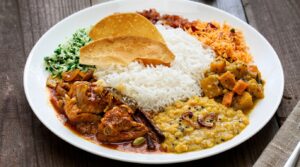
Sri Lankan rice and curry is one of the most loved traditional meals in Sri Lanka. Made with rice served alongside a selection of curries, vegetables, sambols and other accompaniments, it represents the variety, flavour and everyday food traditions of the island.
From fragrant rice and creamy dhal curry to spicy fish curry, coconut-based vegetable dishes and freshly prepared sambol, every part of a rice and curry meal contributes something different. Some combinations are mild and comforting, while others offer bold spices and fiery flavours. The ingredients and serving styles can vary depending on the region, household, restaurant and occasion.
Enjoyed in homes, local eateries and restaurants across the country, Sri Lankan rice and curry is more than an everyday lunch or dinner. It is a familiar part of the country’s food culture, bringing together local ingredients, traditional cooking techniques and recipes passed between generations.
What Is Sri Lankan Rice and Curry?
Sri Lankan rice and curry is a traditional meal consisting of rice served with several accompanying dishes. The rice acts as the foundation, while the curries and side dishes provide different flavours, textures and colours.
A typical meal may include steamed white rice or red rice, dhal curry, a vegetable curry, a leafy green preparation, a coconut sambol and a meat or fish curry. However, there is no single fixed combination. Some meals are entirely vegetarian, while others include chicken, beef, pork, fish or seafood.
The variety of accompaniments is one of the most distinctive features of the meal. A spoonful of rice mixed with dhal tastes different from rice combined with a spicy fish curry or a coconut-based vegetable dish. This allows diners to enjoy several flavours within one serving.
Rice and curry is commonly eaten for lunch and dinner, although the ingredients and portion sizes can differ. From simple home-cooked meals to elaborate restaurant spreads, it remains a familiar choice throughout Sri Lanka.
The Importance of Rice in Sri Lankan Cuisine
Rice has a central place in Sri Lankan food traditions. It is an everyday staple and forms the foundation of many traditional meals.
Different varieties of rice are enjoyed across the island. White rice is widely served, while red rice is also popular in many households and eateries. The variety selected can influence the meal’s colour, texture and overall eating experience.
Rice is generally boiled or steamed before being served with curries. Properly cooked rice should be tender and suitable for mixing with the accompanying dishes without becoming excessively mushy.
The mild flavour of rice also makes it an ideal base for Sri Lankan curries. It balances the richness of coconut milk, the heat of chilli, the aroma of spices and the savoury flavours of meat, fish and vegetables.
For many Sri Lankan families, preparing rice is an ordinary part of daily cooking. Its familiarity and versatility help make rice and curry a meal that can be adapted to different budgets, tastes and occasions.
Popular Curries Served with Sri Lankan Rice
The curries are what give a rice and curry meal much of its character. Each dish has its own ingredients, cooking method and flavour profile.
Dhal Curry
Dhal curry, prepared using lentils, is a common accompaniment to rice. It is often cooked with ingredients such as onion, garlic, turmeric and coconut milk, depending on the recipe.
Its soft texture and gently spiced flavour complement both vegetable and meat curries. Dhal is also a familiar choice for vegetarian meals and simple everyday lunches.
Fish Curry
Fish curry is enjoyed in many parts of Sri Lanka, particularly in coastal communities where fresh fish is readily available. The ingredients vary by recipe, but may include chilli, turmeric, pepper, garlic, onion and other spices.
Some versions use coconut milk, while others have a thinner or more intensely spiced gravy. Fish curry adds a savoury flavour that pairs well with plain rice and vegetable dishes.
Chicken Curry
Sri Lankan chicken curry is another popular choice. It is often prepared with a mixture of spices, onions, garlic and other aromatics. Some recipes include coconut milk, while others produce a darker, more concentrated gravy.
The level of heat depends on the recipe and personal preference. Chicken curry can make a rice and curry meal more substantial and is frequently available at restaurants and local food outlets.
Vegetable Curry
Vegetable curries provide variety and colour. Common ingredients include pumpkin, potato, green beans, brinjal, okra and jackfruit, although the selection depends on availability and regional preferences.
Some vegetable curries are prepared with coconut milk, while others use spices and a smaller amount of liquid. Their flavours range from mild and creamy to richly spiced.
Polos and Other Traditional Curries
Young jackfruit, known as polos, is used in a traditional Sri Lankan curry that develops a rich texture as it cooks. Other familiar preparations may feature breadfruit, beetroot or different seasonal vegetables.
These dishes demonstrate how Sri Lankan cooks use locally available ingredients to create a wide range of accompaniments for rice.
The Role of Sambols and Side Dishes
A rice and curry meal is not limited to rice and gravy. Sambols, mallung, pickles and other side dishes can add freshness, crunch, acidity or extra heat.
Pol sambol: Made primarily with grated coconut, chilli, onion, lime and seasonings, pol sambol adds a spicy and tangy flavour.
Lunu miris: This onion and chilli mixture is known for its sharp, spicy taste. It is a favourite accompaniment for people who enjoy bold flavours.
Mallung: Mallung is generally made with finely chopped leafy greens mixed with coconut and seasonings. It adds a different texture and flavour to the meal.
Achcharu: Sri Lankan pickles, often prepared with vegetables or fruit, can contribute a sweet, sour or spicy element, depending on the recipe.
Papadam: These thin, crispy additions provide a crunchy contrast to soft rice and curries.
Not every meal includes all these accompaniments. Their selection depends on the cook, the available ingredients and the style of meal being served. Even a simple combination of rice, dhal and one vegetable curry can be a satisfying example of everyday Sri Lankan cooking.
How Sri Lankan Rice and Curry Is Prepared
Preparing a traditional rice and curry meal involves making several dishes that come together at serving time. The process varies depending on the number of curries and accompaniments included.
First, the rice is washed and cooked until tender. While it cooks, the curries can be prepared using their individual ingredients and seasonings.
For a typical dhal curry, lentils are cooked with suitable seasonings and may be finished with coconut milk. A vegetable curry may be prepared with onions, spices and coconut milk or water. Meat and fish curries often require their own combinations of aromatics, spices and cooking times.
Sambols and leafy vegetable dishes are usually prepared separately. Some are best made shortly before serving to preserve their texture and freshness.
Once everything is ready, the rice is placed on a plate and surrounded by a selection of curries and side dishes. The different components can be arranged separately or served in smaller portions around the rice.
The beauty of this meal lies in its flexibility. A cook can prepare a simple everyday combination or create a larger spread with several curries for family gatherings and special occasions.
Regional and Household Variations
Sri Lankan rice and curry does not taste exactly the same everywhere. Regional traditions, family recipes and ingredient availability all influence how the meal is prepared.
Coastal areas may feature fish and seafood more frequently, while other households may rely more heavily on vegetables, lentils and meat curries. The use of coconut milk, chilli, souring ingredients and particular spices can also vary between recipes.
Some families prefer red rice, while others commonly serve white rice. One household might prepare a mild dhal curry alongside several vegetable dishes, while another may favour a spicier selection of curries.
Restaurant meals can differ too. Some local eateries serve a straightforward plate with rice and a few curries, while others offer a wider selection of accompaniments.
These variations are part of what makes Sri Lankan rice and curry interesting. The meal has a recognisable foundation, yet the combination of dishes can change from one place to another.
Rice and Curry in Everyday Sri Lankan Life
Rice and curry is closely connected with everyday life in Sri Lanka. It is commonly prepared at home, served in workplace lunch packets and offered at local restaurants and roadside eateries.
For many families, the meal is practical because it can be adapted to the ingredients available. Leftover vegetables may become part of a new curry, while dhal and sambol can accompany rice without requiring an elaborate spread.
It is also a meal that can bring people together. Families may share several dishes at the table, allowing everyone to choose their preferred combinations. Larger rice and curry spreads are also served during gatherings and celebrations, depending on the occasion.
For visitors, trying a traditional rice and curry meal offers an opportunity to experience the range of flavours found in Sri Lankan cuisine. Rather than tasting a single dish, diners can explore how rice, curries and accompaniments work together.
Tips for Enjoying Sri Lankan Rice and Curry
If you are exploring Sri Lankan rice and curry for the first time, a few simple tips can make the experience more enjoyable.
-
Try different combinations: Mix small amounts of rice with different curries to discover which flavours you enjoy together.
-
Start with milder dishes: If you are unfamiliar with Sri Lankan spices, begin with rice, dhal and a mild vegetable curry before trying hotter accompaniments.
-
Explore local varieties: Ask about regional curries and seasonal vegetables available at the restaurant.
-
Balance the flavours: Coconut-based curries, spicy sambols and tangy pickles can complement one another in different ways.
-
Check ingredients when needed: If you have food allergies or dietary requirements, ask about ingredients such as coconut, seafood, dairy and other potential allergens.
There is no single correct way to enjoy the meal. The experience comes from discovering the combinations that suit your taste.
Final Thoughts
Sri Lankan rice and curry is a traditional meal that reflects the island’s variety of ingredients, cooking techniques and food customs. With rice at its centre and a selection of curries, sambols and vegetables around it, every meal can offer a different combination of flavours.
Whether you prefer dhal curry and pol sambol, a plate of rice with fish curry or a colourful selection of vegetables, this familiar dish offers plenty to explore. Its flexibility and deep connection with everyday Sri Lankan life make it an enduring favourite.
Looking for delicious Sri Lankan food and more culinary discoveries? Explore Lankaura, Sri Lanka’s food discovery platform…!


