
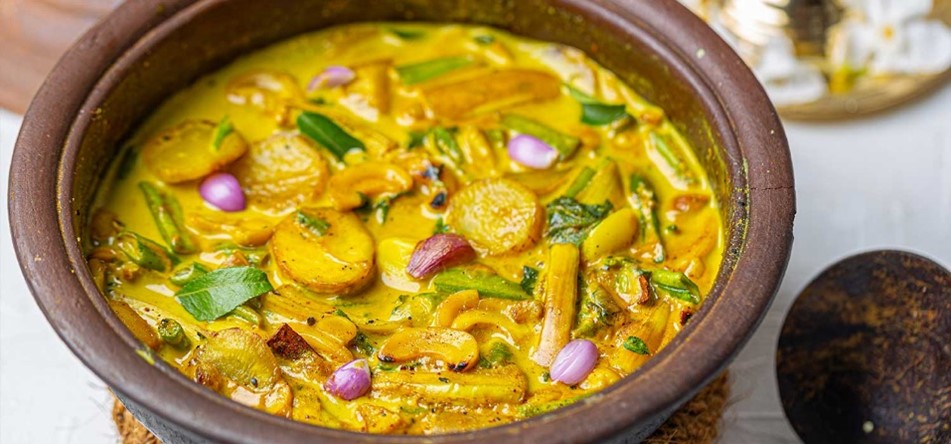
Sri Lankan Seven-Vegetable Curry (Hath Maluwa)
Categories
Categories
- Afghan Cuisine(1)
- American Cuisine(150)
- Australian Cuisine(7)
- Austrian Cuisine(2)
- Belgian Cuisine(6)
- Brazilian Cuisine(3)
- British Cuisine(38)
- Cakes in Sri Lanka(47)
- Canadian Cuisine(1)
- Chinese Cuisine(85)
- Christmas Flavors(7)
- Cocktails in Sri Lanka(18)
- Cuban Cuisine(17)
- Dutch Cuisine(1)
- Egyptian Cuisine(3)
- Filipino Cuisine(3)
- French Cuisine(23)
- German Cuisine(9)
- Greek Cuisine(16)
- Hong Kong Cuisine(1)
- Indian Cuisine(80)
- Indonesian Cuisine(15)
- Innovative Sri Lankan Flavours(8)
- International Cuisine(1)
- Iranian Cuisine(5)
- Irish Cuisine(2)
- Italian Cuisine(113)
- Japanese Cuisine(13)
- Kazakastani Cuisine(1)
- Korean Cuisine(0)
- Malaysian Cuisine(12)
- Mexican Cuisine(14)
- Modern Culinary Trends(47)
- Moroccan Cuisine(4)
- Omani Cuisine(1)
- Russian Cuisine(2)
- Saudi Arabian Cuisine(1)
- Senegalese Cuisine(1)
- Singapore Cuisine(1)
- Spanish Cuisine(7)
- Sri Lankan Authentic Beverages(39)
- Sri Lankan Authentic Curries(66)
- Sri Lankan Authentic Desserts(6)
- Sri Lankan Authentic Food(78)
- Sri Lankan Authentic Seafood(20)
- Sri Lankan Authentic Snacks(20)
- Sri Lankan Authentic Sweets(20)
- Swiss Cuisine(3)
- Taiwanese Cuisine(9)
- Thai Cuisine(21)
- Turkish Cuisine(11)
- Yemeni Cuisine(2)


Sri Lankan Seven-Vegetable Curry (Hath Maluwa)- A Traditional Festive Dish Full of Flavour
Sri Lankan Seven-Vegetable Curry, popularly known as Hath Maluwa, is a traditional dish prepared using a combination of vegetables, coconut milk, and aromatic spices. It is especially associated with Sri Lankan festive meals and celebrations, including the Sinhala and Tamil New Year. With its creamy texture, rich aroma, and variety of vegetables, Hath Maluwa represents the diversity and warmth of Sri Lankan home cooking.
The name Hath Maluwa refers to a curry traditionally prepared with seven different vegetables. Each vegetable contributes its own texture, colour, and flavour, creating a dish that is both visually appealing and satisfying. Although the exact vegetables may vary depending on availability and family traditions, the idea of bringing several ingredients together remains central to the dish.
Unlike curries made with a single main ingredient, Hath Maluwa combines different vegetables in one preparation. Coconut milk gives it a creamy consistency, while ingredients such as curry leaves, pandan leaves, turmeric, and other spices create its familiar Sri Lankan flavour.
What Is Sri Lankan Hath Maluwa?
Hath Maluwa is a traditional Sri Lankan mixed-vegetable curry made with seven varieties of vegetables. It is commonly prepared as part of festive meals, particularly during the Sinhala and Tamil New Year.
The vegetables are cut into suitable pieces and cooked together with coconut milk and seasonings. Depending on the recipe, some ingredients may be added earlier than others to ensure that everything cooks properly without becoming overly soft.
The dish is known for its creamy gravy and combination of vegetable textures. Some vegetables absorb the coconut milk and spices, while others retain their shape and natural flavour.
There is no single fixed combination of seven vegetables followed by every household. Families often select ingredients based on seasonal availability, personal preferences, and traditional recipes passed down through generations.
Why Is Hath Maluwa Special in Sri Lankan Food Culture?
Hath Maluwa holds a special place in Sri Lankan food traditions because it is closely connected with family gatherings and festive cooking.
During the Sinhala and Tamil New Year, households prepare a variety of traditional dishes to share with family members and visitors. Hath Maluwa is often included as one of the curries served alongside rice, milk rice, and other festive foods.
Several qualities make this dish special:
- Seven vegetables in one curry: It brings together different vegetables, colours, and textures.
- Traditional preparation: It reflects familiar Sri Lankan cooking methods using coconut milk and local spices.
- Festive significance: It is commonly associated with New Year meals and family celebrations.
- Creamy flavour: Coconut milk creates a rich and smooth curry base.
- Versatile ingredients: The vegetable combination can change according to availability and household preferences.
More than an ordinary vegetable curry, Hath Maluwa represents the tradition of preparing and sharing a variety of foods during important occasions.
Seven Vegetables Commonly Used in Hath Maluwa
The selection of vegetables can differ between households. Some traditional preparations use locally available vegetables, while others include ingredients chosen for their colours, textures, and flavours.
Common choices may include:
1. Pumpkin
Pumpkin adds a naturally sweet flavour and soft texture to the curry. As it cooks, it absorbs the coconut milk and spices, contributing to the creamy consistency of the dish.
2. Potato
Potatoes provide a filling element and absorb the flavours of the curry. Their soft texture works particularly well with the coconut milk gravy.
3. Carrot
Carrots contribute natural sweetness and a bright colour. When cooked properly, they become tender while retaining enough texture to complement the other vegetables.
4. Green Beans
Green beans add a slightly firm texture and fresh vegetable flavour. They also bring a contrasting green colour to the dish.
5. Brinjal
Brinjal absorbs the flavours of coconut milk and spices beautifully. Depending on the variety and cooking time, it becomes soft and blends naturally with the curry.
6. Ash Plantain
Ash plantain can add a firmer texture and a mild flavour. It is used in some traditional vegetable curry combinations and works well with coconut-based preparations.
7. Breadfruit
Breadfruit is another ingredient that may be used in traditional Sri Lankan cooking. Its starchy texture makes it suitable for coconut milk curries and adds substance to the dish.
These are examples of vegetables that can be used in a seven-vegetable curry. The exact combination is not universal, and different families may use other seasonal vegetables according to their own recipes.
How Is Sri Lankan Seven-Vegetable Curry Prepared?
Preparing Hath Maluwa involves selecting the vegetables, preparing the coconut milk base, and cooking the ingredients until they reach the right texture.
Preparing the Vegetables
The selected vegetables are washed, cleaned, and cut into suitable pieces. Keeping the pieces reasonably similar in size helps them cook more evenly.
Vegetables with firmer textures may require more cooking time than softer ingredients. For this reason, the order in which they are added can influence the final result.
Preparing the Curry Base
A traditional Sri Lankan curry base may include coconut milk, turmeric, curry powder, salt, onions, green chillies, curry leaves, and pandan leaves.
Some recipes also include ingredients such as cinnamon, garlic, or other spices to develop additional flavour.
The combination of coconut milk and seasonings creates the creamy base that brings the vegetables together.
Cooking the Vegetables
The vegetables are added to the prepared curry base and cooked until tender. Firmer vegetables can be added first, followed by those that cook more quickly.
The curry should be stirred carefully to avoid breaking the softer vegetables. Cooking time depends on the types and quantities of vegetables used.
Finishing the Curry
Once the vegetables are cooked, the seasoning and consistency can be adjusted according to preference.
The finished Hath Maluwa should have a creamy gravy, a pleasant coconut aroma, and a variety of vegetables that retain their individual textures.
It is usually served warm alongside rice or other traditional Sri Lankan dishes.
What Is Hath Maluwa Served With?
Hath Maluwa is a versatile curry that can be served as part of a traditional Sri Lankan meal. Its creamy texture and mild flavour make it suitable alongside several other dishes.
Rice
Plain steamed rice is one of the simplest accompaniments. The coconut milk gravy mixes beautifully with rice, creating a satisfying meal.
Milk Rice
During festive occasions, Hath Maluwa may be served alongside kiribath, or Sri Lankan milk rice. The combination brings together the creamy vegetable curry and the soft texture of milk rice.
Sri Lankan Sambols
Pol sambol and other spicy sambols provide a flavourful contrast to the mild, creamy curry. Their chilli, coconut, and lime flavours add freshness and heat to the meal.
Other Traditional Curries
Hath Maluwa can also be served with other vegetable dishes, dhal curry, and suitable meat or fish curries. These combinations create a colourful meal with different flavours and textures.
Hath Maluwa During Sinhala and Tamil New Year
The Sinhala and Tamil New Year is an important celebration in Sri Lanka, bringing families together through traditional customs, activities, and food.
Food preparation is an important part of the celebration, with households preparing a variety of dishes to share with relatives and visitors. Hath Maluwa is one of the traditional vegetable curries that may appear on festive tables.
Its combination of vegetables makes it suitable for a meal prepared for several people. The colourful appearance also adds variety to a festive spread.
Recipes may differ from one household to another, reflecting family traditions and the availability of ingredients. This variation is part of what makes Sri Lankan food culture interesting and diverse.
Tips for Making Delicious Hath Maluwa
A few practical tips can help create a flavourful seven-vegetable curry with a good balance of textures.
- Choose suitable vegetables: Select vegetables that complement one another in flavour and texture.
- Cut evenly: Similar-sized pieces help vegetables cook more consistently.
- Add vegetables in stages: Firmer vegetables may need to be added before softer ones.
- Balance the coconut milk: Use an appropriate amount to create a creamy curry without making it excessively thick.
- Season carefully: Turmeric, curry powder, and other spices should complement the natural flavours of the vegetables.
- Avoid overcooking: Softer vegetables can become mushy if cooked for too long.
- Serve warm: Freshly prepared Hath Maluwa is especially enjoyable with rice or milk rice.
The most important part is achieving a balance where the vegetables are cooked properly while still maintaining their individual characteristics.
Hath Maluwa and Sri Lankan Culinary Traditions
Sri Lankan cuisine is known for its variety of vegetable curries, coconut-based dishes, and aromatic spices. Hath Maluwa brings several of these elements together in one traditional preparation.
The dish reflects the importance of seasonal ingredients and home cooking. Rather than relying on one fixed recipe, families can adapt the vegetable combination according to what is available and what they enjoy.
Its association with festive meals also highlights the role of food in bringing people together. Preparing a dish with several vegetables and sharing it with family members reflects the generous nature of Sri Lankan hospitality.
Whether prepared for the New Year or an ordinary family meal, Hath Maluwa remains a delicious example of Sri Lanka’s rich culinary heritage.
Final Thoughts
Sri Lankan Seven-Vegetable Curry, or Hath Maluwa, is a traditional dish that celebrates the flavours, colours, and variety of local vegetables. Prepared with coconut milk and aromatic spices, it offers a creamy and satisfying addition to festive meals and everyday dining.
Whether served with steamed rice, milk rice, sambols, or other traditional curries, Hath Maluwa brings together familiar ingredients in a dish that reflects the warmth of Sri Lankan food culture.
Looking for delicious Sri Lankan food and more culinary discoveries? Explore Lankaura, Sri Lanka’s food discovery platform…!