

String Hoppers Kottu
Categories
Categories
- Afghan Cuisine(1)
- American Cuisine(141)
- Australian Cuisine(6)
- Austrian Cuisine(2)
- Belgian Cuisine(1)
- Brazilian Cuisine(3)
- British Cuisine(35)
- Cakes in Sri Lanka(47)
- Canadian Cuisine(1)
- Chinese Cuisine(85)
- Cocktails in Sri Lanka(18)
- Cuban Cuisine(17)
- Dutch Cuisine(1)
- Egyptian Cuisine(3)
- Filipino Cuisine(3)
- French Cuisine(23)
- German Cuisine(9)
- Greek Cuisine(16)
- Hong Kong Cuisine(1)
- Indian Cuisine(79)
- Indonesian Cuisine(15)
- Innovative Sri Lankan Flavours(5)
- Iranian Cuisine(5)
- Irish Cuisine(2)
- Italian Cuisine(112)
- Japanese Cuisine(13)
- Kazakastani Cuisine(1)
- Korean Cuisine(0)
- Malaysian Cuisine(12)
- Mexican Cuisine(13)
- Modern Culinary Trends(40)
- Moroccan Cuisine(2)
- Omani Cuisine(1)
- Russian Cuisine(2)
- Saudi Arabian Cuisine(1)
- Senegalese Cuisine(1)
- Singapore Cuisine(1)
- Spanish Cuisine(7)
- Sri Lankan Authentic Beverages(37)
- Sri Lankan Authentic Curries(66)
- Sri Lankan Authentic Desserts(6)
- Sri Lankan Authentic Food(78)
- Sri Lankan Authentic Seafood(18)
- Sri Lankan Authentic Snacks(20)
- Sri Lankan Authentic Sweets(20)
- Swiss Cuisine(3)
- Taiwanese Cuisine(9)
- Thai Cuisine(21)
- Turkish Cuisine(11)
- Yemeni Cuisine(2)
String Hoppers Kottu – A Sri Lankan Favourite with a Delicious Twist
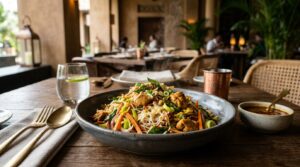
Sri Lankan food is full of dishes that turn familiar ingredients into something new and exciting. String hoppers kottu is a great example. It takes the delicate, steamed rice-flour nests known as string hoppers and transforms them into a warm, savoury meal with vegetables, spices and a choice of additional ingredients.
Unlike regular kottu roti, which is traditionally made using chopped flatbread, string hoppers kottu uses string hoppers as its main ingredient. Once broken into smaller pieces and stir-fried with the other ingredients, they absorb the flavours of the seasonings and sauces while keeping their own soft, delicate texture. Recipes commonly include vegetables and may also use egg, chicken, fish or other ingredients, depending on the cook and the style of kottu being prepared.
Whether enjoyed as a filling lunch, a relaxed dinner or a takeaway meal, string hoppers kottu offers a different way to experience a familiar Sri Lankan food.
What Is String Hoppers Kottu?
String hoppers kottu, also called string hopper kottu or idiyappa kottu, is a stir-fried dish made with cooked string hoppers. The string hoppers are separated or chopped into smaller pieces and cooked with ingredients such as onions, leeks, carrots, green chillies, curry leaves, spices and sauces.
The dish takes inspiration from the preparation style of kottu: mixing a main ingredient with vegetables, seasonings and optional additions to create a complete meal. The difference is the base. Instead of the chewy pieces of roti found in traditional kottu roti, string hoppers kottu uses thin strands of steamed rice-flour dough.
This gives the dish a noticeably different texture. String hoppers are soft and delicate, allowing them to mix easily with vegetables and seasoning. The finished dish can be mild, peppery, spicy or rich in curry flavour, depending on how it is prepared.
There is no single recipe followed by every restaurant or household. Some cooks make a simple vegetable version, while others add egg, chicken, fish or other proteins to make it more substantial.
The String Hoppers Behind the Dish
To understand string hoppers kottu, it helps to know a little about its main ingredient.
String hoppers are small, circular nests of fine rice-flour strands. They are made by pressing a soft dough through a special mould and steaming the strands until cooked. Known as idiyappam in Tamil, they are a familiar part of Sri Lankan food culture and are commonly served with accompaniments such as dhal curry, coconut sambol or coconut-milk gravy.
Plain string hoppers have a relatively mild flavour, which makes them suitable for pairing with strongly seasoned ingredients. In string hoppers kottu, that quality becomes especially useful. Rather than serving the nests whole alongside curries, the cook breaks them apart and combines them with the other ingredients in one pan.
The result is a dish that feels familiar but offers a different eating experience. It brings the gentle texture of string hoppers together with the aromatic, savoury character associated with kottu.
Ingredients That Bring the Dish Together
The ingredients used in string hoppers kottu can change from one recipe to another, but several components commonly help create its flavour and texture.
- Cooked string hoppers
These form the base of the dish. Freshly cooked or leftover string hoppers can be used, provided they have been stored safely. They should be separated into manageable strands or pieces so that they can mix evenly with the other ingredients.
- Onions and curry leaves
Onions contribute sweetness and savoury depth as they cook. Curry leaves add an aromatic note associated with many Sri Lankan dishes. Ginger, garlic, pandan leaf and green chillies may also be included, depending on the recipe.
- Vegetables
Carrots and leeks are common choices, while cabbage, spring onions, green peas, beans or other vegetables can also be used. The vegetables add colour, variety and different textures to the finished dish.
- Eggs or a protein of choice
Egg is a common addition in some versions. Chicken, fish, seafood or other ingredients may be included to suit the recipe. Vegetarian versions can instead focus on vegetables and legumes.
- Spices and sauces
Salt, black pepper, chilli flakes and other seasonings help shape the flavour. Some recipes include curry powder, soy sauce, chilli paste or tomato-based sauces. The combination varies, so one plate may taste quite different from another.
- Oil or another cooking fat
A little oil is used to cook the aromatics and vegetables and to help the ingredients combine in the pan. The quantity and type of fat can affect the final richness of the dish.
These ingredients are flexible rather than a fixed checklist. The best combination depends on the intended flavour, the ingredients available and the preferences of the person preparing it. <Cite refs={[“turn603174search0″,”turn603174search1″,”turn603174search10”]}/>
How Is String Hoppers Kottu Prepared?
Although the exact method differs between cooks, the general process is straightforward.
First, the cooked string hoppers are separated and broken into smaller pieces. This helps them mix more evenly with the vegetables and seasoning. If they are tightly packed together, gently loosening them before cooking can make the process easier.
Next, oil is heated in a large pan or wok. Aromatic ingredients such as onion, ginger, garlic, curry leaves and green chillies are added and cooked until fragrant. The vegetables follow and are stir-fried until they begin to soften while retaining some texture.
If the recipe includes egg, it may be scrambled in the pan before the remaining ingredients are combined. Meat or seafood should be cooked safely and thoroughly; depending on the recipe, it may be prepared separately and added during the final mixing stage.
The string hoppers are then added with the selected spices, sauces and any prepared protein. Everything is mixed thoroughly so that the seasoning spreads throughout the dish. Some cooks use a hot griddle and chop or toss the mixture as they would with regular kottu, while others prepare it in a pan at home.
The key is to combine the ingredients without turning the string hoppers into a mushy mass. Because they are already cooked and relatively delicate, they need enough mixing to take on the flavour but not so much that they lose all their texture.
Once everything is heated through and well combined, the kottu is ready to serve.
What Does String Hoppers Kottu Taste Like?
The taste depends on the recipe, but the dish generally combines the mild flavour of rice-based string hoppers with savoury seasonings, aromatic vegetables and the ingredients added during cooking.
Onions provide a gentle sweetness, while curry leaves, ginger and garlic bring fragrance. Green chillies and chilli flakes can add heat, and black pepper gives a different kind of warmth. Sauces or curry-based additions may create a richer, more intensely seasoned dish.
Its texture is one of its main differences from ordinary kottu roti. String hoppers are formed from fine strands, so they tend to feel softer and more delicate than chopped flatbread. The vegetables provide contrast, while pieces of egg, chicken or fish can make each mouthful more varied.
A vegetable version may highlight the spices and the natural flavours of the vegetables. A chicken or seafood version can have a fuller savoury taste, especially when prepared with a well-seasoned sauce.
There is no one correct level of spice or richness. Some people prefer a relatively dry stir-fry, while others enjoy a saucier preparation.
String Hoppers Kottu vs. Regular Kottu Roti
Both dishes follow the idea of combining a main ingredient with vegetables and seasonings, but their bases make a difference.
Regular kottu roti is usually prepared with chopped flatbread, commonly godamba roti. The pieces create a characteristic chewy texture and are mixed with vegetables, spices and optional egg, meat or other additions.
String hoppers kottu uses cooked string hoppers instead. Its thin rice-flour strands create a softer texture, and the dish may feel lighter in texture than a roti-based version, although the overall richness depends on the amount of oil, sauce and added ingredients.
The cooking style can be similar, but the final result is not identical. Each version offers its own texture and flavour experience, making string hoppers kottu a useful alternative for people who want to try a different style of kottu.
Is String Hoppers Kottu a Good Way to Use Leftover String Hoppers?
It can be. String hoppers kottu is one way to turn safely stored leftover string hoppers into a different meal. Instead of reheating and serving them in the usual way with curry and sambol, they can be separated and stir-fried with vegetables and seasonings.
This also makes it easy to adapt the dish to the ingredients available at home. Leftover cooked vegetables, for example, may be added if they have been handled and stored safely. Fresh aromatics and seasoning can help bring the ingredients together.
Food safety still matters. Refrigerate leftovers promptly, keep them at a safe temperature and reheat them thoroughly. Do not use string hoppers that have been left out for too long or show signs of spoilage.
Making It Your Own
One of the appealing things about string hoppers kottu is how adaptable it can be.
- Vegetable string hoppers kottu: Combine string hoppers with carrots, leeks, cabbage, onions and your preferred seasonings.
- Egg string hoppers kottu: Add scrambled egg for a richer, more filling version.
- Chicken string hoppers kottu: Mix in cooked, seasoned chicken for extra savoury flavour.
- Seafood string hoppers kottu: Use suitable cooked seafood, ensuring it is thoroughly cooked before serving.
- Spicy string hoppers kottu: Increase the chilli or pepper to suit your preference.
- Saucy string hoppers kottu: Use a measured amount of curry or sauce for a richer finish, taking care not to make the dish excessively wet.
These are variations rather than strict categories. Restaurants may have their own combinations, and home cooks can adjust the vegetables, seasoning and protein to suit their tastes.
Tips for Enjoying String Hoppers Kottu
For the best experience, look for a dish in which the ingredients are well mixed and the string hoppers still have some texture. A pleasant balance of spice, vegetables and savoury flavour can make the meal enjoyable without any one ingredient overwhelming the rest.
You can also choose the version that suits your appetite. A vegetable-based plate may be suitable for someone looking for a meat-free option, while egg, chicken or seafood versions may appeal to those who prefer a protein-rich addition. Always check the ingredients when ordering, especially if you have food allergies or dietary requirements.
String hoppers kottu can be served on its own as a complete dish or accompanied by a suitable curry or sauce, depending on how it is prepared. A squeeze of lime may complement some versions, while others already contain enough seasoning and sauce.
A Different Take on a Familiar Sri Lankan Food
String hoppers kottu brings two familiar ideas together: steamed string hoppers and the satisfying, mixed-together style of kottu. Its soft rice-flour strands, aromatic vegetables and flexible combinations make it an interesting choice for anyone who enjoys exploring Sri Lankan food.
It also shows how one ingredient can be served in different ways. String hoppers may be enjoyed traditionally with curries and sambol, or transformed into a warm stir-fried meal with a completely different character. Neither approach needs to replace the other; each offers its own way to enjoy this familiar food.
The next time you come across string hoppers kottu on a menu, consider giving it a try. Whether you choose a vegetable, egg, chicken or seafood version, the combination of delicate string hoppers and savoury seasoning offers a distinctive alternative to regular kottu roti.
Looking for delicious String Hoppers Kottu and more culinary discoveries? Explore more Lankaura.
