Thala Guli
Categories
Categories
- Afghan Cuisine(1)
- American Cuisine(150)
- Australian Cuisine(7)
- Austrian Cuisine(2)
- Belgian Cuisine(6)
- Brazilian Cuisine(3)
- British Cuisine(38)
- Cakes in Sri Lanka(47)
- Canadian Cuisine(1)
- Chinese Cuisine(85)
- Christmas Flavors(7)
- Cocktails in Sri Lanka(18)
- Cuban Cuisine(17)
- Dutch Cuisine(1)
- Egyptian Cuisine(3)
- Filipino Cuisine(3)
- French Cuisine(23)
- German Cuisine(9)
- Greek Cuisine(16)
- Hong Kong Cuisine(1)
- Indian Cuisine(80)
- Indonesian Cuisine(15)
- Innovative Sri Lankan Flavours(8)
- International Cuisine(1)
- Iranian Cuisine(5)
- Irish Cuisine(2)
- Italian Cuisine(113)
- Japanese Cuisine(13)
- Kazakastani Cuisine(1)
- Korean Cuisine(0)
- Malaysian Cuisine(12)
- Mexican Cuisine(14)
- Modern Culinary Trends(47)
- Moroccan Cuisine(4)
- Omani Cuisine(1)
- Russian Cuisine(2)
- Saudi Arabian Cuisine(1)
- Senegalese Cuisine(1)
- Singapore Cuisine(1)
- Spanish Cuisine(7)
- Sri Lankan Authentic Beverages(39)
- Sri Lankan Authentic Curries(66)
- Sri Lankan Authentic Desserts(6)
- Sri Lankan Authentic Food(78)
- Sri Lankan Authentic Seafood(20)
- Sri Lankan Authentic Snacks(20)
- Sri Lankan Authentic Sweets(20)
- Swiss Cuisine(3)
- Taiwanese Cuisine(9)
- Thai Cuisine(21)
- Turkish Cuisine(11)
- Yemeni Cuisine(2)
Thala Guli- A Traditional Sri Lankan Sesame and Jaggery Sweet
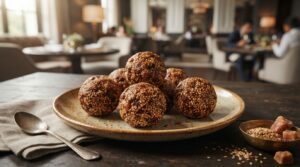
Sri Lankan cuisine is known not only for its flavourful curries and savoury dishes but also for its wide variety of traditional sweets. Among these beloved treats, Thala Guli holds a special place. Made using sesame seeds, jaggery and a few simple ingredients, this traditional sweet is enjoyed for its distinctive nutty flavour, natural sweetness and satisfying texture.
Thala Guli is a familiar homemade sweet in Sri Lanka, particularly appreciated by those who enjoy traditional village-style treats. Its preparation reflects the simplicity of Sri Lankan food traditions, where locally available ingredients are combined to create something delicious.
With its rich sesame flavour and sweetness from jaggery, Thala Guli offers a different experience from many modern confectionery products. Whether enjoyed as an afternoon snack, shared during family gatherings or prepared as a homemade treat, it remains a wonderful part of Sri Lanka’s traditional food culture.
What Is Thala Guli?
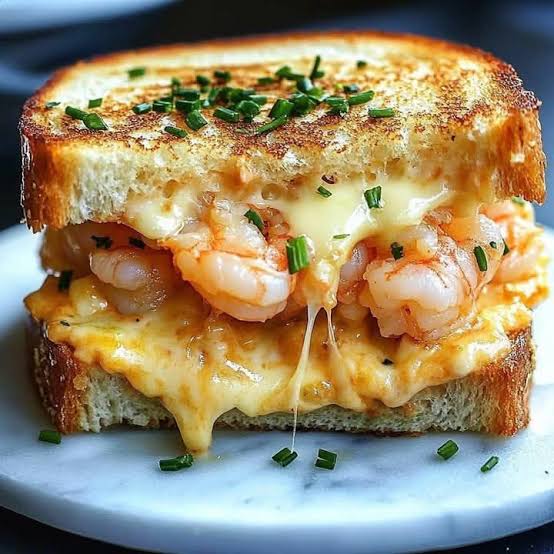
Thala Guli is a traditional Sri Lankan sweet made primarily from sesame seeds and jaggery. The Sinhala word thala refers to sesame seeds, while guli refers to a small ball or rounded sweet.
The main ingredients are combined to create small, compact balls with a naturally sweet and nutty flavour. Depending on the recipe, ingredients such as grated coconut, cardamom or a little water may also be included.
Sesame seeds are generally roasted before being mixed with melted jaggery. Roasting helps release their natural aroma and enhances their flavour. The jaggery provides sweetness and acts as a binding ingredient, helping the mixture hold its shape.
The finished sweet usually has a slightly firm exterior with a dense, textured interior. Its flavour combines the earthy richness of sesame with the deep sweetness of traditional Sri Lankan jaggery.
Although recipes can differ between households, the combination of sesame seeds and jaggery gives Thala Guli its distinctive identity.
What Ingredients Are Used to Make Thala Guli?
Thala Guli is prepared using a small collection of ingredients that work together to create its characteristic flavour and texture. The exact quantities may vary depending on individual preferences and traditional household recipes.
- Sesame seeds: Sesame seeds are the main ingredient and provide the sweet with its distinctive nutty flavour. White sesame seeds are commonly used, although other varieties may also be suitable.
- Jaggery: Traditional Sri Lankan jaggery, often made from kithul treacle, provides natural sweetness and helps bind the ingredients together. Its rich flavour complements the roasted sesame seeds.
- Grated coconut: Some recipes include freshly grated coconut to add moisture, texture and a gentle coconut flavour.
- Cardamom: A small amount of cardamom may be added to introduce a pleasant fragrance and enhance the overall flavour.
- Salt: A small pinch of salt can help balance the sweetness and bring out the natural taste of the sesame seeds.
- Water: A little water may be used when melting the jaggery to create a suitable syrup for binding the mixture.
The balance between sesame seeds and jaggery is important. Too much jaggery can make the mixture overly sticky, while insufficient binding may prevent the sweet from holding its shape.
How Is Thala Guli Prepared?
Preparing Thala Guli involves roasting sesame seeds, preparing a jaggery mixture and shaping the ingredients into small balls.
First, the sesame seeds are cleaned to remove any unwanted particles. They are then placed in a dry pan and roasted over low to medium heat.
The seeds are stirred regularly to ensure even roasting and prevent burning. Once they release their characteristic nutty aroma and become lightly toasted, they are removed from the heat and allowed to cool.
In a separate pan, jaggery is broken into smaller pieces and heated gently with a little water. It is stirred until it melts and forms a thick syrup. The consistency of the syrup is important because it determines how well the sesame mixture holds together.
The roasted sesame seeds are then added to the melted jaggery. If the recipe includes grated coconut, cardamom or salt, these ingredients are incorporated at this stage.
The mixture is stirred thoroughly until the sesame seeds are evenly coated with the jaggery.
Once the mixture becomes manageable, small portions are taken and shaped into round balls using clean hands. This is usually done while the mixture is still warm enough to hold its shape.
The prepared Thala Guli balls are placed on a clean plate or tray and allowed to cool completely.
Once set, they can be stored in an airtight container and enjoyed whenever desired.
What Makes Thala Guli Different from Other Sri Lankan Sweets?
Sri Lankan cuisine includes a wide variety of traditional sweets, each prepared using different ingredients, cooking methods and textures.
Thala Guli is particularly distinctive because sesame seeds are its main ingredient. While many traditional Sri Lankan sweets use rice flour, coconut, treacle or wheat flour, Thala Guli relies on the combination of roasted sesame seeds and jaggery.
Its preparation is also relatively simple compared with sweets that require deep-frying, steaming or elaborate shaping techniques.
Another distinguishing feature is its texture. The roasted sesame seeds provide a slightly crunchy and grainy quality, while the jaggery creates a firm, cohesive structure.
The flavour is equally recognisable. Sesame seeds contribute an earthy, nutty taste, while jaggery provides a deep sweetness that is different from ordinary refined sugar.
Unlike some soft or syrup-soaked Sri Lankan sweets, Thala Guli is generally compact and easy to handle, making it suitable as a small snack or homemade treat.
These qualities give it a special place among the island’s traditional sweet preparations.
How Does Thala Guli Taste?
Thala Guli has a rich, nutty and naturally sweet flavour.
The roasted sesame seeds provide its main taste, creating a warm and slightly earthy flavour that becomes more noticeable as the seeds are toasted.
Jaggery adds a deep sweetness with distinctive caramel-like notes. When combined with sesame, it creates a balanced flavour that is both satisfying and aromatic.
If grated coconut is included, it adds another layer of texture and a mild tropical sweetness. Cardamom can also introduce a gentle fragrance that complements the other ingredients.
The texture is generally firm and slightly crunchy, depending on how finely the sesame seeds are prepared and how much jaggery is used.
Some versions may be softer and more compact, while others have a coarser texture with more noticeable sesame seeds.
The simplicity of its ingredients allows the natural flavours to remain the main focus, making Thala Guli an appealing choice for people who enjoy traditional homemade sweets.
How Can Thala Guli Be Served?
Thala Guli is a versatile sweet that can be enjoyed on different occasions and alongside several everyday refreshments.
- On its own: Thala Guli can be enjoyed as a small sweet snack at any time of the day.
- With plain tea: Its nutty sweetness pairs well with a cup of traditional Sri Lankan plain tea.
- With milk tea: The rich flavour of sesame and jaggery complements the mild creaminess of milk tea.
- As an afternoon snack: Small portions can be served as a homemade treat during afternoon breaks.
- During family gatherings: Thala Guli can be included on a traditional sweet platter alongside other Sri Lankan favourites.
- As a homemade gift: Neatly arranged Thala Guli balls can be packed in small containers or decorative food boxes and shared with family and friends.
Because it has a naturally rich and sweet flavour, a small serving is often enough to enjoy its taste.
Thala Guli in Sri Lankan Traditional Food Culture
Traditional Sri Lankan sweets reflect the island’s history of using locally available ingredients and simple preparation methods to create memorable foods.
Thala Guli is a good example of this tradition. Sesame seeds and jaggery have long been familiar ingredients in South Asian food cultures, and their combination creates a sweet that does not require complicated cooking techniques.
In Sri Lankan households, traditional homemade sweets are often connected with family recipes, everyday refreshments and the sharing of food between generations.
Thala Guli represents this style of cooking, where a small number of ingredients can be transformed into something enjoyable through careful preparation.
It also reflects the importance of jaggery in Sri Lankan sweet-making. Kithul jaggery, in particular, is used in many traditional preparations and contributes a distinctive flavour to local desserts and snacks.
Although modern confectionery and packaged sweets are widely available, traditional treats such as Thala Guli continue to attract people who appreciate familiar flavours and homemade food.
For visitors exploring Sri Lankan cuisine, it offers an opportunity to discover a traditional sweet beyond the island’s more widely recognised desserts.
Final Thoughts
Thala Guli is a simple yet flavourful traditional Sri Lankan sweet that celebrates the combination of roasted sesame seeds and jaggery. Its nutty aroma, natural sweetness and satisfying texture make it a memorable homemade treat.
Whether enjoyed with a cup of tea, served during family gatherings or prepared as a small homemade gift, Thala Guli continues to represent the simplicity and richness of Sri Lankan traditional food culture.
Sometimes, the most memorable sweets do not require complicated ingredients or elaborate preparation. Thala Guli is a wonderful example of how a few familiar ingredients can create something truly special.
Looking for delicious Sri Lankan dishes and more culinary discoveries? Explore Lankaura, Sri Lanka’s food discovery platform…!