

Vegetable Kottu
Categories
Categories
- Afghan Cuisine(1)
- American Cuisine(141)
- Australian Cuisine(6)
- Austrian Cuisine(2)
- Belgian Cuisine(1)
- Brazilian Cuisine(3)
- British Cuisine(35)
- Cakes in Sri Lanka(47)
- Canadian Cuisine(1)
- Chinese Cuisine(85)
- Cocktails in Sri Lanka(18)
- Cuban Cuisine(17)
- Dutch Cuisine(1)
- Egyptian Cuisine(3)
- Filipino Cuisine(3)
- French Cuisine(23)
- German Cuisine(9)
- Greek Cuisine(16)
- Hong Kong Cuisine(1)
- Indian Cuisine(79)
- Indonesian Cuisine(15)
- Innovative Sri Lankan Flavours(5)
- Iranian Cuisine(5)
- Irish Cuisine(2)
- Italian Cuisine(112)
- Japanese Cuisine(13)
- Kazakastani Cuisine(1)
- Korean Cuisine(0)
- Malaysian Cuisine(12)
- Mexican Cuisine(13)
- Modern Culinary Trends(40)
- Moroccan Cuisine(2)
- Omani Cuisine(1)
- Russian Cuisine(2)
- Saudi Arabian Cuisine(1)
- Senegalese Cuisine(1)
- Singapore Cuisine(1)
- Spanish Cuisine(7)
- Sri Lankan Authentic Beverages(37)
- Sri Lankan Authentic Curries(66)
- Sri Lankan Authentic Desserts(6)
- Sri Lankan Authentic Food(78)
- Sri Lankan Authentic Seafood(18)
- Sri Lankan Authentic Snacks(20)
- Sri Lankan Authentic Sweets(20)
- Swiss Cuisine(3)
- Taiwanese Cuisine(9)
- Thai Cuisine(21)
- Turkish Cuisine(11)
- Yemeni Cuisine(2)
Vegetable Kottu- A Delicious Sri Lankan Street Food Favourite
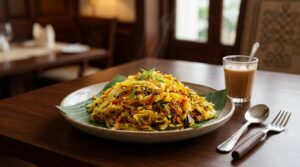
Vegetable kottu is a popular Sri Lankan dish made with chopped godamba roti, fresh vegetables, aromatic spices and a flavourful combination of sauces and seasonings. Prepared on a hot metal griddle, the ingredients are chopped, mixed and tossed together to create a satisfying meal packed with texture and flavour.
Known for its distinctive chopping sounds and delicious aroma, kottu is a familiar sight at Sri Lankan street food stalls and local restaurants. While chicken, beef and seafood versions are also widely enjoyed, vegetable kottu offers a colourful alternative for people who prefer a meal made with vegetables.
From the crispness of cabbage and carrots to the soft pieces of roti that absorb the seasoning, every mouthful brings together different textures. Whether enjoyed for lunch, dinner or as an evening takeaway, vegetable kottu is one of the dishes that continues to make Sri Lankan street food special.
What Is Vegetable Kottu?
Vegetable kottu is a Sri Lankan dish prepared by chopping flatbread into small pieces and cooking it with vegetables, spices and seasonings on a hot griddle. The bread commonly used is godamba roti, a thin, soft flatbread that can be cut and mixed easily with the other ingredients.
The word kottu is associated with chopping, which describes one of the most recognisable parts of preparing this dish. Cooks use metal blades to chop the roti and mix it with vegetables on the heated cooking surface. The rhythmic sound of the blades hitting the griddle has become closely associated with Sri Lankan kottu shops.
Vegetable kottu can include ingredients such as cabbage, carrots, leeks and onions. Garlic, ginger, curry leaves, green chillies, black pepper and other seasonings may be added to build flavour. Depending on the recipe, egg, sauces or additional vegetables may also be included.
Recipes differ between restaurants and cooks, so the taste and ingredients can vary. Some versions are mild and lightly seasoned, while others are spicy, rich and full of aromatic flavours.
The Ingredients That Make Vegetable Kottu Delicious
The appeal of vegetable kottu comes from combining familiar ingredients in a way that creates a filling and flavourful meal.
Godamba roti: The chopped flatbread forms the foundation of the dish. Its soft texture allows it to absorb the seasonings while retaining enough structure to be tossed with the vegetables.
Cabbage: Finely sliced cabbage adds texture and blends easily with the chopped roti. It is a common vegetable in many kottu preparations.
Carrots: Carrots introduce colour, a gentle sweetness and a slightly firm texture that contrasts with the softer bread.
Leeks and onions: These ingredients add depth and aroma. When cooked on the hot griddle, they help develop the savoury character of the dish.
Garlic and ginger: These aromatic ingredients contribute warmth and flavour, complementing the vegetables and spices.
Green chillies and black pepper: These seasonings provide heat. The amount can be adjusted according to the desired level of spiciness.
Curry leaves and other seasonings: Curry leaves can contribute a recognisable Sri Lankan aroma, while salt and other seasonings help balance the overall flavour.
Some cooks also add egg or different sauces to create their own variation. The combination of ingredients and the cooking technique give each plate its distinctive character.
How Vegetable Kottu Is Prepared
Preparing vegetable kottu involves several steps, with the chopping and mixing process playing an important role in the final result.
First, the godamba roti is cooked and cut into small strips or pieces. The vegetables are washed, prepared and sliced into manageable sizes so they can cook evenly on the griddle.
Next, the cooking surface is heated and a little oil is added. Aromatic ingredients such as garlic, ginger, onions and curry leaves may be cooked first to release their flavours. The vegetables are then added and stir-fried until they begin to soften while retaining some texture.
The chopped roti is mixed into the vegetables, followed by the selected spices, seasonings and sauces. The cook uses metal blades to chop and toss everything together, allowing the ingredients to combine and the bread to absorb the flavours.
The cooking process needs to be balanced. Overcooking the vegetables can make them too soft, while insufficient mixing may leave the roti unevenly seasoned. A well-prepared vegetable kottu combines soft, flavourful bread with vegetables that still offer some texture.
Once everything is heated through and mixed thoroughly, the dish is served hot. Some restaurants offer additional curry or gravy alongside the kottu for extra flavour.
What Makes Vegetable Kottu Special?
One of the reasons vegetable kottu remains popular is its combination of textures. The chopped roti is soft and savoury, while the vegetables add colour and a slight crunch. Aromatic seasonings bring the ingredients together into a meal that is both comforting and flavourful.
Its preparation is also part of the experience. At busy Sri Lankan food stalls, the rhythmic chopping of metal blades against a hot griddle often attracts the attention of people passing by. The sound, the rising steam and the smell of freshly cooked spices make kottu a memorable part of the local street food scene.
Another appealing feature is its flexibility. The vegetables, spices and sauces can be adjusted according to personal preference or the ingredients available. Some people prefer a simple version with cabbage, carrots and leeks, while others enjoy a more heavily seasoned preparation.
Vegetable kottu also offers an alternative to meat-based kottu varieties. However, anyone seeking a strictly vegetarian or vegan meal should check the preparation method, as some restaurants may use egg, meat-based gravy or other animal-derived ingredients.
Popular Ways to Enjoy Vegetable Kottu
Vegetable kottu can be served in different ways depending on the restaurant and the diner’s preferences.
With curry gravy: A serving of curry gravy adds moisture and a deeper savoury flavour. It can be mixed into the kottu or enjoyed alongside it.
With a spicy sauce: Chilli sauce or a spicy seasoning can make the dish more intense for people who enjoy hotter food.
With extra vegetables: Some preparations include additional vegetables to create more variety in colour, flavour and texture.
With egg: Adding egg creates a richer version of vegetable kottu. Although this is a common variation in some eateries, it is important to ask about the ingredients if avoiding animal products.
As a takeaway meal: Vegetable kottu is frequently enjoyed as a takeaway dinner. It is usually packed in a container and can be eaten as a complete meal without needing several separate side dishes.
The best way to enjoy it depends on personal taste. Whether mild or spicy, freshly prepared vegetable kottu is at its best when the roti and vegetables are hot and evenly seasoned.
Vegetable Kottu in Sri Lankan Street Food Culture
Kottu has become one of the most recognisable dishes in Sri Lankan food culture. It brings together flatbread, vegetables, spices and a fast-paced cooking method that is well suited to busy food stalls and restaurants.
Vegetable kottu is part of this wider food tradition, offering a variation that does not need meat to create a satisfying combination of flavours and textures. It can be found alongside other popular varieties, including chicken kottu, beef kottu, cheese kottu and seafood kottu.
For many Sri Lankans, kottu is associated with evening meals, roadside eateries and sharing a favourite local dish with friends or family. For visitors, it provides an opportunity to experience a distinctive part of Sri Lankan food culture.
Although the exact recipe changes from one place to another, the combination of chopped roti, vegetables and aromatic seasoning remains central to the dish. This adaptability helps vegetable kottu appeal to a wide range of diners.
Is Vegetable Kottu a Good Choice for Vegetarians?
Vegetable kottu can be a suitable option for people who prefer vegetable-based meals, but the ingredients should always be checked before ordering.
Some versions contain only roti, vegetables, oil and seasonings. Others may include egg, chicken or meat-based gravy, even when the dish is described as vegetable kottu. The roti itself and any sauces used may also contain ingredients that matter to particular dietary requirements.
If you follow a vegetarian or vegan diet, ask the restaurant to prepare the dish according to your needs. You can request that the cook avoid egg, meat, meat-based stock and other ingredients you do not eat.
For people simply looking to include more vegetables in their meals, vegetable kottu offers a flavourful way to enjoy cabbage, carrots and other vegetables alongside flatbread. As with any restaurant dish, its nutritional content depends on the portion size, amount of oil and ingredients used.
Final Thoughts
Vegetable kottu is a delicious example of how Sri Lankan cooking transforms simple ingredients into a memorable meal. With chopped godamba roti, colourful vegetables, aromatic spices and the unmistakable sound of the hot griddle, it offers a combination of flavour and texture that makes it a favourite among local food lovers.
Whether you prefer a mild version, a spicy serving or one with extra vegetables, vegetable kottu is worth exploring as part of Sri Lanka’s vibrant street food culture.
Looking for delicious Sri Lankan food and more culinary discoveries? Explore Lankaura, Sri Lanka’s food discovery platform, and follow Lankaura on Facebook, Instagram and TikTok.


