
Watalappan
Categories
Categories
- Afghan Cuisine(1)
- American Cuisine(150)
- Australian Cuisine(7)
- Austrian Cuisine(2)
- Belgian Cuisine(6)
- Brazilian Cuisine(3)
- British Cuisine(38)
- Cakes in Sri Lanka(47)
- Canadian Cuisine(1)
- Chinese Cuisine(85)
- Christmas Flavors(7)
- Cocktails in Sri Lanka(18)
- Cuban Cuisine(17)
- Dutch Cuisine(1)
- Egyptian Cuisine(3)
- Filipino Cuisine(3)
- French Cuisine(23)
- German Cuisine(9)
- Greek Cuisine(16)
- Hong Kong Cuisine(1)
- Indian Cuisine(80)
- Indonesian Cuisine(15)
- Innovative Sri Lankan Flavours(8)
- International Cuisine(1)
- Iranian Cuisine(5)
- Irish Cuisine(2)
- Italian Cuisine(113)
- Japanese Cuisine(13)
- Kazakastani Cuisine(1)
- Korean Cuisine(0)
- Malaysian Cuisine(12)
- Mexican Cuisine(14)
- Modern Culinary Trends(47)
- Moroccan Cuisine(4)
- Omani Cuisine(1)
- Russian Cuisine(2)
- Saudi Arabian Cuisine(1)
- Senegalese Cuisine(1)
- Singapore Cuisine(1)
- Spanish Cuisine(7)
- Sri Lankan Authentic Beverages(39)
- Sri Lankan Authentic Curries(66)
- Sri Lankan Authentic Desserts(6)
- Sri Lankan Authentic Food(78)
- Sri Lankan Authentic Seafood(20)
- Sri Lankan Authentic Snacks(20)
- Sri Lankan Authentic Sweets(20)
- Swiss Cuisine(3)
- Taiwanese Cuisine(9)
- Thai Cuisine(21)
- Turkish Cuisine(11)
- Yemeni Cuisine(2)



Watalappan- Sri Lanka’s Beloved Traditional Coconut Custard Dessert

Sri Lankan cuisine is famous for its rich flavours, aromatic spices and traditional sweets, and Watalappan holds a special place among the island’s most loved desserts. Known for its smooth texture, deep caramel-like sweetness and fragrant spices, this traditional dessert is a favourite at celebrations, family gatherings and festive occasions.
Made using coconut milk, eggs, jaggery and a selection of aromatic spices, Watalappan brings together ingredients that are deeply familiar in Sri Lankan cooking. Its soft, pudding-like consistency and distinctive flavour make it different from many other desserts.
Whether served after a special meal, shared during a celebration or enjoyed as an occasional sweet treat, Watalappan represents an important part of Sri Lanka’s diverse food culture.
What Is Watalappan?
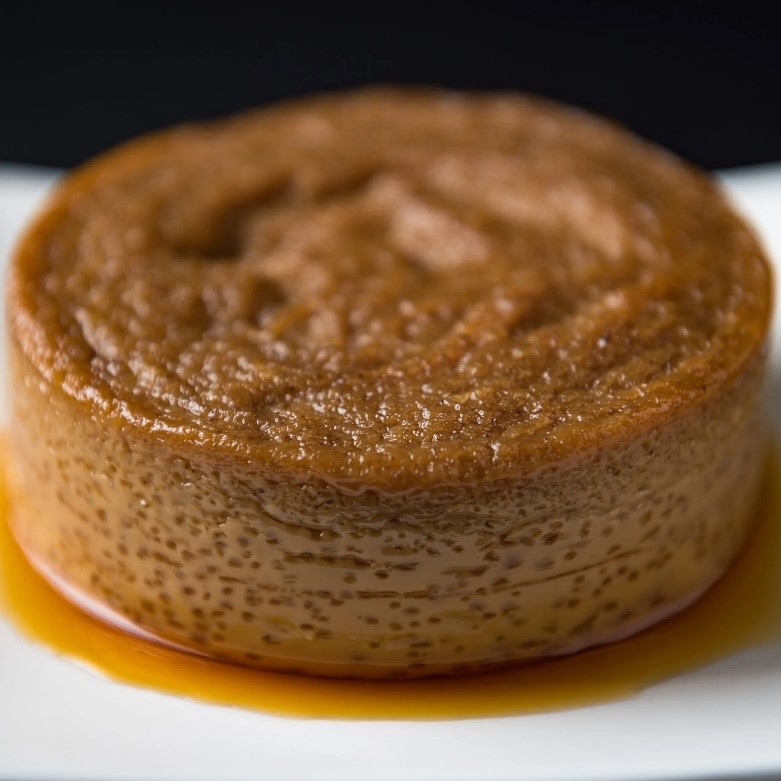
Watalappan, also commonly spelled Watalappam, is a traditional Sri Lankan steamed coconut custard dessert. It is particularly associated with the Sri Lankan Malay community and has become a much-loved dessert enjoyed by people across the country.
The dessert is traditionally prepared using coconut milk, eggs, jaggery and spices such as cardamom, nutmeg and cloves. These ingredients are combined to create a smooth custard with a naturally rich sweetness and a distinctive aromatic flavour.
Unlike ordinary milk-based puddings, Watalappan uses coconut milk as its main liquid ingredient. Jaggery provides its characteristic sweetness and darker colour, while the eggs help the mixture set into a soft, delicate custard.
Watalappan is commonly served chilled or at room temperature, sometimes decorated with cashew nuts. Its combination of coconut, caramel-like sweetness and warm spices makes it instantly recognisable among Sri Lankan desserts.
What Ingredients Are Used to Make Watalappan?
Watalappan is prepared using a relatively simple collection of ingredients, but each contributes to its distinctive taste and texture.
- Coconut milk: Coconut milk is one of the main ingredients responsible for the dessert’s richness. It provides a creamy consistency and a gentle coconut flavour that complements the other ingredients.
- Jaggery: Jaggery is traditionally used as the main sweetener. In Sri Lanka, kithul jaggery is a popular choice, although other varieties of palm jaggery may also be used. It gives Watalappan its characteristic sweetness, darker colour and caramel-like flavour.
- Eggs: Eggs help bind the ingredients and create the smooth custard texture. When gently cooked, they allow the mixture to set without losing its delicate consistency.
- Cardamom: Cardamom contributes a sweet, warm fragrance that enhances the overall flavour of the dessert.
- Nutmeg: Nutmeg provides a distinctive aromatic quality and complements the sweetness of the jaggery.
- Cloves: A small quantity of cloves can introduce a gentle spice note that adds depth to the flavour.
- Cashew nuts: Cashews are commonly used as a topping. Their slightly crunchy texture creates a pleasant contrast with the soft custard.
The quality and proportions of these ingredients influence the final result. Traditional recipes may differ between households, particularly in the amount of jaggery and spices used.
How Is Traditional Watalappan Prepared?
Preparing Watalappan involves combining the ingredients carefully before cooking the mixture until it develops its familiar custard consistency.
The process generally begins by preparing the jaggery. It may be grated or broken into smaller pieces and gently dissolved, depending on the recipe. Coconut milk is then combined with the sweetened mixture.
Eggs are beaten separately and incorporated into the mixture. The ingredients are blended carefully to create a smooth custard base. Ground cardamom, nutmeg and cloves are added to introduce the characteristic aroma.
The mixture is then poured into a suitable heatproof bowl or individual moulds. It is traditionally steamed or cooked using a gentle water-bath method until the custard sets.
Cooking temperature is important when preparing Watalappan. Excessive heat can cause the eggs to cook too quickly, resulting in an uneven or grainy texture. Gentle cooking helps maintain the dessert’s smooth consistency.
Once cooked, the Watalappan is allowed to cool. It can then be refrigerated before serving, depending on personal preference.
Cashew nuts may be added as a topping to provide additional texture and visual appeal.
Although the preparation requires attention, the ingredients are relatively familiar in Sri Lankan kitchens, making Watalappan a popular homemade dessert.
What Makes Watalappan Different from Other Desserts?
Watalappan stands out because of its combination of coconut milk, jaggery and aromatic spices. While many custard desserts use dairy milk and refined sugar, traditional Watalappan relies on coconut milk and palm jaggery for its distinctive flavour.
Its texture is another important characteristic. A properly prepared Watalappan has a soft, delicate consistency that is firm enough to hold its shape while remaining smooth and moist.
The spices also make it different from ordinary puddings. Cardamom, nutmeg and cloves introduce warm aromas that balance the sweetness of the jaggery.
Its appearance is equally recognisable. Depending on the type of jaggery used, Watalappan can range from golden brown to a deeper caramel colour. Small pieces of cashew nuts on top often complete its traditional presentation.
These characteristics make it a dessert that is closely connected to Sri Lankan culinary traditions rather than simply another variation of a standard custard pudding.
How Does Watalappan Taste?
Watalappan has a rich, sweet and aromatic flavour. The jaggery provides a deep caramel-like sweetness, while coconut milk contributes a creamy texture and gentle tropical flavour.
The spices create another layer of taste. Cardamom adds fragrance, nutmeg brings warmth, and cloves contribute a slightly stronger spice note.
Unlike desserts that depend mainly on sugar for sweetness, Watalappan has a more complex flavour because of the combination of jaggery, coconut and spices.
Its texture is generally soft, smooth and delicate. Each spoonful offers a creamy custard experience, sometimes accompanied by the slight crunch of cashew nuts.
The exact flavour depends on the ingredients and preparation method. Some versions are sweeter and richer, while others have a more noticeable coconut and spice character.
Serving it chilled can make the dessert especially refreshing after a meal, particularly in Sri Lanka’s warm climate.
When Is Watalappan Traditionally Served?
Watalappan is enjoyed throughout the year, but it is especially popular during celebrations and special occasions.
- Eid celebrations: Watalappan is a familiar dessert on many Sri Lankan Muslim family tables during Eid celebrations. It is often prepared in advance and shared with family members and guests.
- Family gatherings: Its ability to be prepared in a larger quantity makes it suitable for family meals, celebrations and gatherings.
- Special occasions: Watalappan is frequently included in festive food spreads and special menus because of its rich flavour and traditional significance.
- After-meal dessert: Its soft consistency and sweet flavour make it a popular choice for serving after lunch or dinner.
- Restaurant menus: Some Sri Lankan restaurants include Watalappan among their traditional dessert selections, allowing locals and visitors to experience this much-loved sweet.
Its association with celebrations and hospitality makes Watalappan more than just a dessert. It is also a food that brings people together.
Watalappan in Sri Lankan Food Culture
Sri Lanka’s food culture has been shaped by different communities, traditions and culinary influences. Watalappan is an excellent example of this diversity.
With its strong association with the Sri Lankan Malay community, the dessert reflects the cultural influences that have contributed to the island’s culinary identity. Over time, it has become popular well beyond its community of origin.
Different households have their own approaches to preparing Watalappan. Some prefer a stronger jaggery flavour, while others adjust the spices or add more cashew nuts. These small differences create variations while preserving the dessert’s traditional character.
For international visitors, Watalappan offers an opportunity to discover a distinctive Sri Lankan dessert made with local ingredients and aromatic spices.
It also highlights the importance of traditional sweets in Sri Lankan hospitality, where food is often prepared and shared during meaningful occasions.
Final Thoughts
Watalappan is more than a traditional Sri Lankan dessert. Its combination of coconut milk, jaggery, eggs and aromatic spices represents the island’s rich culinary heritage and the influence of its diverse communities.
From its smooth custard texture to its deep sweetness and fragrant spices, every element contributes to making Watalappan a memorable dessert. Whether enjoyed during Eid, shared at a family gathering or served after a delicious Sri Lankan meal, it continues to hold a special place in the country’s food culture.
Looking for delicious Sri Lankan desserts and more culinary discoveries? Explore Lankaura, Sri Lanka’s food discovery platform…!